Sulfur Burps From Mounjaro: Why They Happen and What You Can Do
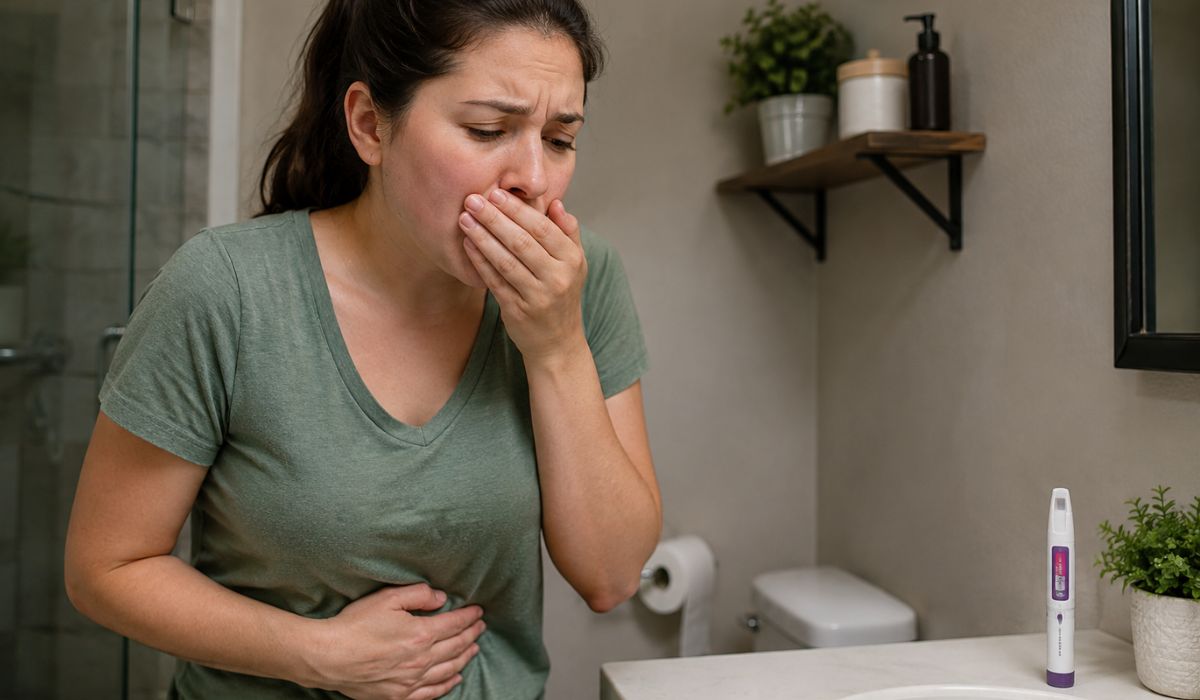
If you’re taking tirzepatide (sold as Mounjaro or Zepbound) for diabetes or weight loss, you’ve probably heard about the benefits already. But there’s a side effect that doesn’t get talked about as much: burps that smell like rotten eggs. It’s not fun, and it can catch people off guard. Here’s what’s actually going on, and what tends to help.
What are Sulfur Burps, Exactly?
That rotten-egg smell comes from hydrogen sulfide gas. Your gut bacteria produce it when they break down sulfur-containing foods you’ve eaten. It’s a normal part of digestion the gas just happens to smell bad on its way out.
Plenty of people get sulfur burps without ever touching Mounjaro. Diet alone causes most cases. So having a sulfur burp doesn’t automatically mean it’s the medication. That said, people on tirzepatide report this symptom a lot, enough that it’s worth understanding why.
Why Mounjaro Seems to Cause It
Your stomach empties more slowly. Tirzepatide works by mimicking two gut hormones (GIP and GLP-1), and one effect of that is slowing down how fast food leaves your stomach. This is actually part of why the drug helps with weight loss. Food sticks around longer, so you feel full sooner and stay full longer.
But there’s a trade-off. The longer food sits in your stomach, the more time bacteria have to ferment it and produce gas including hydrogen sulfide. So the same mechanism that helps you eat less can also mean more sulfur burps.
It’s not about your gut bacteria changing. As far as we know, tirzepatide doesn’t change which bacteria live in your gut. It just changes how long food hangs around for those bacteria to work on. Foods like eggs, broccoli, cabbage, garlic, onions, and certain meats are common culprits because they’re naturally high in sulfur compounds.
How common is this, really? In the clinical trials for tirzepatide, burping showed up as a side effect in about 2.5% to 3.3% of people, depending on the dose. But those trials didn’t specifically track the “sulfur” smell just burping in general. Talk to people actually taking the drug, though, and sulfur burps come up far more often than that number suggests. There’s a real gap between what the trials measured and what patients experience day to day.
What Actually Helps
Watch your diet, but don’t overdo it. Cutting back on eggs, cruciferous vegetables (broccoli, cauliflower, cabbage), onions, garlic, red meat, beer, and wine can reduce how much sulfur gas you produce. That said, don’t cut these foods out completely many of them are genuinely good for you. A better approach is to keep a simple food log for a week or two and see which foods seem to trigger it for you specifically.
Add more fiber. Whole grains, nuts, and seeds can help keep things moving through your gut at a healthy pace, which limits how long food sits around fermenting. Oatmeal, quinoa, and brown rice are easy places to start. Beans and legumes can help too, though for some people they cause their own gas issues, so pay attention to how your body reacts.
Slow down when you eat. Eating fast means swallowing more air, which adds to the burping. Try sitting down for meals instead of eating on the go, put your phone away, and take your time between bites. It sounds small, but it makes a real difference for a lot of people.
Skip the carbonation. Soda, sparkling water, and beer all pump extra gas into your system on top of what your gut is already producing. Sticking to plain water and skipping straws, which also make you swallow air can noticeably cut down on burping.
Talk to your doctor about your dose. If the sulfur burps are really bothering you, don’t just push through it alone. Your doctor might suggest staying at your current dose a bit longer before increasing it, since a slower ramp-up often means fewer side effects. In some cases, switching to a different medication might make sense too. Any changes to your dose should go through your prescriber, not trial and error on your own.
When to Actually See a Doctor
On their own, sulfur burps aren’t dangerous. But get checked out if they come along with bad stomach pain, ongoing vomiting, weight loss that feels too fast or extreme, or if the symptom is disrupting your daily life. In rare cases, ongoing digestive symptoms like this can point to something called gastroparesis, a more serious slowdown of stomach emptying so it’s worth ruling that out if things don’t improve.
Conclusion
Sulfur burps on Mounjaro come down to two things: your stomach emptying more slowly, and sulfur-rich foods sitting around longer as a result. It’s a side effect of how the drug works, not a sign something’s wrong. Adjusting what you eat, slowing down at meals, cutting carbonated drinks, and staying in touch with your doctor about your dose are the main tools that help. If you’re pushing through this on your own and it’s not getting better, it’s worth bringing up at your next appointment rather than just living with it.
References
Jastreboff, A. M., Aronne, L. J., Ahmad, N. N., Wharton, S., Connery, L., Alves, B., Kiyosue, A., Zhang, S., Liu, B., Bunck, M. C., & Stefanski, A. (2022). Tirzepatide once weekly for the treatment of obesity. New England Journal of Medicine, 387(3), 205–216. https://doi.org/10.1056/NEJMoa2206038
Nauck, M. A., & D’Alessio, D. A. (2022). Tirzepatide, a dual GIP/GLP-1 receptor co-agonist for the treatment of type 2 diabetes with unmatched effectiveness. Diabetes, Obesity and Metabolism, 24(1), 5–14. https://doi.org/10.1111/dom.14556