Investigational DNA Platform Shows Extended Metabolic Benefits in Preclinical Diabetes Models

Researchers developed a new DNA-based delivery method that leads to sustained weight loss and improved glucose control in preclinical models. This platform uses a small circular piece of genetic material that directs cells to make incretin hormones directly. In mouse models, a single injection produced metabolic improvements that lasted up to ten times longer than traditional injectable mimetics. Investigators believe this method could eventually lessen the dosing requirements for current type 2 diabetes and obesity treatments.
Incretin hormones control appetite and blood glucose naturally in the body. Pharmaceutical versions of these hormones have become key treatments for obesity and type 2 diabetes. However, natural incretins break down quickly, leading to the need for weekly injections or daily oral doses to keep the therapeutic effect. Stopping these treatments often results in weight regain and renewed glucose issues, as documented in clinical literature.
The new approach uses intramuscular DNA electroporation, a method previously confirmed in human trials for antibody production. Patients receive an injection of plasmid DNA followed by an electrical pulse that helps the cells take in the genetic instructions. Earlier Phase 1 testing showed that this method supported continuous antibody production in human subjects for more than 72 weeks. Based on this, the research team aimed to extend these long-term benefits to metabolic therapies.
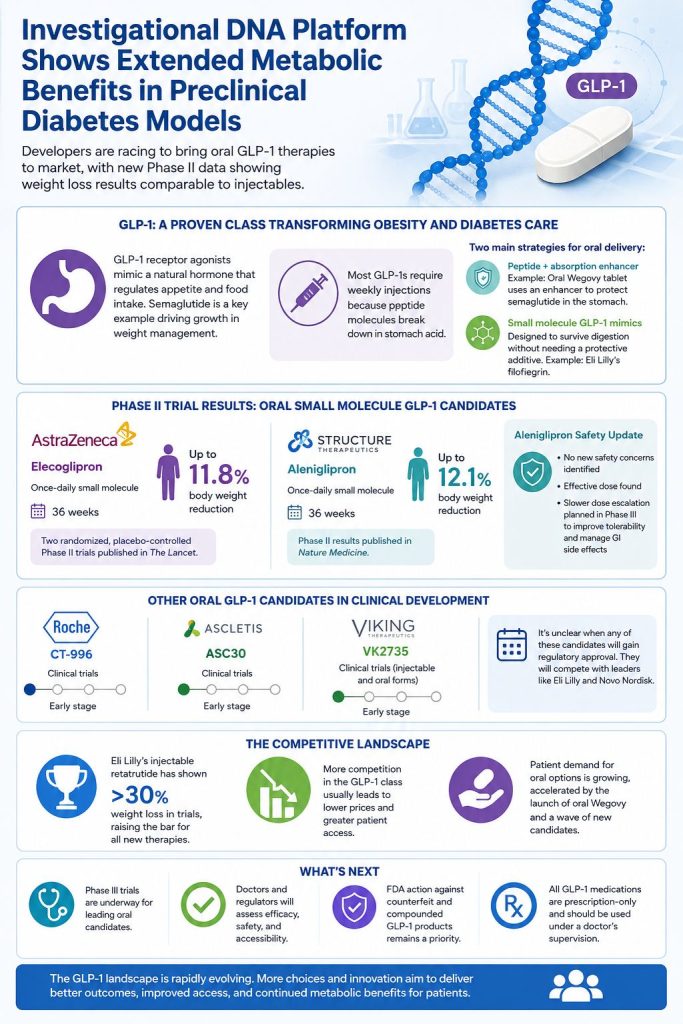
Building on this work, investigators created DNA constructs that encode long-acting variants called pLincretins. These constructs contain an antibody fragment designed to slow down protein breakdown, which addresses a major limitation of current drugs. In diabetic mouse models, a single dose showed detectable incretin activity for up to 70 days. As a result, these models displayed sustained reductions in body weight and blood glucose throughout the observation period.
When compared to semaglutide, DNA-treated models maintained their metabolic improvements after the observation period ended. In contrast, semaglutide-treated models started to regain weight once treatment stopped. Researchers then used artificial intelligence-assisted structural modeling and synthetic consensus design to create a second molecule called pSynCretin. This protein interacts with several metabolic receptors at once to promote lasting weight loss.
Investigators are now exploring the immunological effects of incretin therapy beyond metabolic results. Clinical observations connect increasing drug use to improvements in inflammatory conditions, leading to more investigation into immune regulation. Researchers suggest that the DNA platform may have applications beyond metabolic diseases. This technology could eventually enable the delivery of other therapeutic proteins for various chronic conditions.
These findings are still in the preclinical stage and have not been tested in human clinical trials. National regulatory authorities have not yet reviewed the DNA platform, pLincretins, or pSynCretin for safety or effectiveness in humans. Current incretin therapies remain prescription medications that are officially labeled for type 2 diabetes and weight management. Any move to clinical use will require thorough regulatory assessment and controlled human trials before wider availability.