GLP-1 Pills and Mounjaro

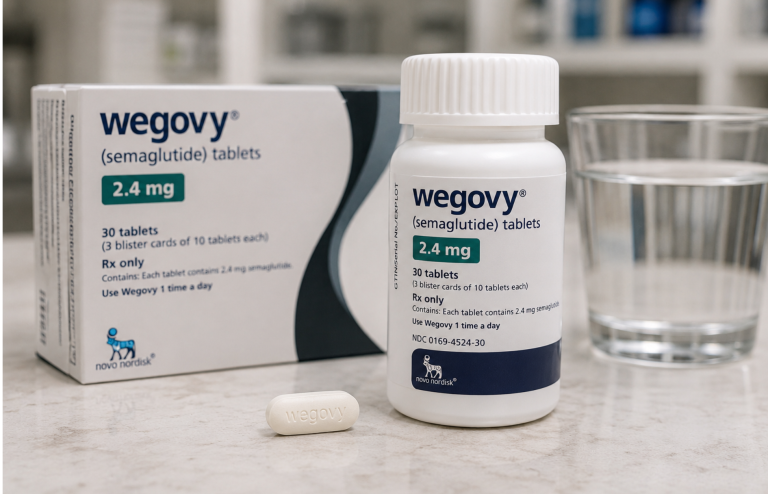
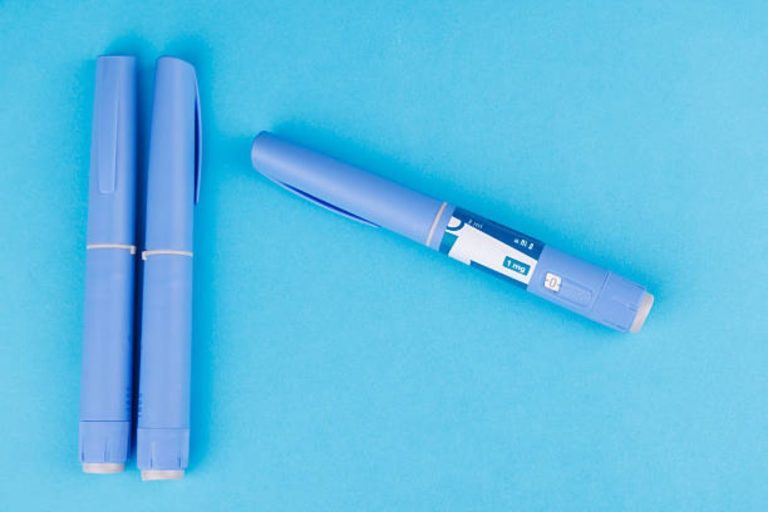
The arrival of oral GLP-1 receptor agonists marks a major shift in how we manage metabolic disease. Mounjaro, a dual GIP/GLP-1 receptor agonist given via a weekly injection, provides high efficacy for diabetes and obesity. These newer oral options create different biological profiles and unique absorption hurdles for the body. Along with this, the development of pills introduces new choices for daily patient routines. Therefore, clinicians must assess these tools based on specific metabolic needs and individual patient goals.
Biological Mechanisms of Oral and Injectable Delivery
Oral GLP-1 receptor agonists use a clever chemical coating to survive the trip through the stomach. These medications usually face a tough battle with digestive enzymes before they can ever start working. Scientists added a special helper to pull the drug into the bloodstream more effectively. This compound protects the medicine so it can do its job across the gastric lining. To be precise, bioavailability stays much lower than that of injections, requiring much higher nominal doses.
Mounjaro works through a different pathway by activating two distinct metabolic receptors at the same time. This dual action increases insulin production and slows down how fast the stomach empties. Furthermore, the GIP component helps regulate how the body uses energy and stores fat. The injectable route bypasses the liver’s initial filtering process to deliver very steady drug levels. Consequently, this ensures that the medication remains consistent across a wide variety of patient populations.
These mechanical differences lead to very different patterns of activity within the human body. Oral pills show slower onset times and absorption that changes based on stomach acidity levels. In contrast, Mounjaro maintains stable levels in the blood with only one dose per week. Given this, the choice of therapy often depends on a patient’s specific metabolic rhythm. Moreover, stable plasma concentrations simplify the management of chronic metabolic conditions over the long term.
Comparative Clinical Results and Metabolic Outcomes
Clinical trials show that both treatment types lead to significant drops in blood sugar levels. Oral semaglutide reduces HbA1c levels by roughly 0.9 to 1.4 percent across most major studies. Similarly, Mounjaro achieves even larger reductions of up to 2.1 percent at its highest dose. These results outperform many older treatments, making both drugs very powerful tools for glucose control. Notably, the superior efficacy of Mounjaro likely stems from its unique dual receptor activation.
Weight loss results show an even wider gap between these two therapeutic approaches today. Oral GLP-1 pills typically help patients lose between 3 and 5 kilograms over one year. Conversely, Mounjaro often leads to weight loss exceeding 15 kilograms during the same timeframe. This happens because the dual receptor signal more effectively tells the brain the body is full. Building on this, Mounjaro offers clear advantages for patients needing substantial weight management help.
Individual patient results vary based on their health status at the start of treatment. People with very high initial blood sugar often see the most dramatic improvements. Likewise, patients with a higher body mass index frequently lose more total weight. Nevertheless, the lack of many head-to-head trials makes it hard to rank them perfectly. In light of this, clinicians must rely on individual trial data to guide their daily choices.
Clinical Comparison of Therapeutic Features
| Feature | Oral GLP-1 Agonist | Mounjaro (Injectable) |
| Administration | Daily Oral Pill | Weekly Injection |
| Primary Mechanism | GLP-1 Receptor Agonism | GIP and GLP-1 Agonism |
| Bioavailability | Low (Needs Enhancer) | High (Direct Delivery) |
| HbA1c Reduction | 0.9% to 1.4% | 1.8% to 2.1% |
| Weight Loss | 3 to 5 Kilograms | 10 to 15+ Kilograms |
| Dosing Protocol | Strict Fasting Required | No Fasting Required |
Tolerability Profiles and Practical Administration
Stomach issues are the most common side effects for both of these medication classes. Nausea and diarrhea affect about 20 to 40 percent of people starting therapy. These symptoms usually appear when increasing the dose but fade away over time. Mounjaro causes similar issues, although the dual receptor action might change how long they last. Thus, a slow schedule helps the body adapt to these changes safely.
The oral pill requires a very strict daily routine to work correctly in the system. Patients must take the medication on an empty stomach with a tiny amount of water. They must also wait 30 minutes before eating or taking other necessary pills. Meanwhile, this rigid schedule can be difficult for people with busy or unpredictable mornings. As a result, any deviation from these rules may significantly reduce the drug’s efficacy.
Injections cause skin reactions like redness or itching in a small number of users. These mild issues rarely force a patient to stop using the medication entirely. Meanwhile, oral pills offer a welcome relief from constant and intrusive thoughts about needles. Doctors must weigh these physical comfort factors against the clinical goals of the patient. Therefore, an individualized assessment of patient priorities remains essential for long-term success.
Adherence Patterns and Patient Lifestyle Factors
Long-term health success depends heavily on whether a patient actually takes their medicine regularly. Oral drugs seem easier because they remove the need for a weekly needle stick. However, the complex fasting rules for the pill often lead to many dosing mistakes. Real-world studies suggest that many patients stop taking the oral version within the first year. Hence, the convenience of a pill may be offset by its daily requirements.
Mounjaro uses a once-weekly schedule that is much easier for many people to remember. This simple timing reduces the daily mental effort required to manage a chronic condition. Additionally, the injection pens are designed to be very easy for most people to use. Along with this, the less frequent dosing often leads to better long-term habit formation. Given this, injectable therapy remains a highly reliable path for many individuals.
Patient surveys show that preferences for these delivery methods are usually quite split. Some people prefer a daily pill despite the rules because it feels more familiar. Others choose the weekly injection because it offers more freedom during the rest of the week. Therefore, a shared decision between the doctor and patient leads to the best results. To be precise, understanding a patient’s lifestyle is key to selecting the right agent.
Economic Considerations and Healthcare Access
The price of these advanced therapies remains high regardless of the specific formulation used. Oral semaglutide costs about 1,000 dollars each month if a patient lacks insurance coverage. Mounjaro prices are often slightly higher, ranging up to 1,200 dollars for a monthly supply. While insurance often covers them, the approval process is frequently long and difficult. Accordingly, cost-sharing arrangements significantly affect whether a patient can afford their treatment.
Generic versions of these drugs do not exist yet, which keeps the retail prices elevated. Research into biosimilar injections may eventually bring costs down for some patients in the future. Oral drugs have different patent protections that might keep their prices high for even longer. Thus, many patients still rely on older, less expensive medications due to these costs. In view of this, financial barriers remain a major factor in clinical decision-making.
Access issues also involve how and where a patient can pick up their medicine. Mounjaro sometimes requires a specialty pharmacy, which can add extra steps to the process. Moreover, many insurance plans require patients to try and fail cheaper drugs like metformin first. These rules can delay the start of effective treatment for many people in need. Consequently, administrative barriers affect both modalities but may impact injectables more frequently.
Clinical Context and Future Therapeutic Directions
Selecting the right agent involves looking closely at a patient’s existing health conditions. For example, those with established cardiovascular disease may benefit more from certain injectable formulations. Current data strongly supports heart protective benefits for both oral and injectable semaglutide. Meanwhile, Mounjaro continues to show promising results in ongoing cardiovascular outcome trials. Therefore, a patient’s heart and kidney health remain a top priority in selection.
Future developments aim to make these powerful medications even more convenient for daily use. Scientists are working on oral versions that do not require such strict fasting periods. New delivery technologies may also increase the amount of medicine that successfully enters the bloodstream. Furthermore, triple agonist drugs are currently in testing and show even more potent effects. Hence, the tools available to clinicians will likely expand significantly in the coming years.
Ongoing research remains essential for understanding the long-term impacts of these chronic therapies. Real-world evidence will help clarify how well patients stick to their plans outside of trials. Direct head-to-head studies between these specific agents would also provide much more clarity. As we gather more data, treatment guidelines will continue to evolve and become more precise. Building on this, healthcare systems must adapt to ensure these innovations reach the patients who need them.
Conclusion
The mix of oral GLP-1 pills and Mounjaro has opened new doors for metabolic health today. Mounjaro delivers the strongest results for weight loss and blood sugar through its dual action. Oral pills offer a needle-free path but come with lower absorption and very strict rules. Ultimately, the choice depends on finding the best match for the patient’s lifestyle and goals. Proper medical supervision remains the best defense against medication misuse and ensures safety.
As technology continues to improve, these metabolic care models will only get better. We will likely see even more tools that help doctors and patients stay connected. This evolution is making the future of metabolic medicine look much more personal. Healthcare systems must balance personal choices against the needs of the whole population. To be precise, individualized assessment ensures that patients receive the most effective and sustainable care.
References
Davies, M., Pieber, T. R., Hartoft-Nielsen, M. L., Hansen, O. K. H., Jabbour, S., & Rosenstock, J. (2023). Effect of oral semaglutide compared with placebo and subcutaneous semaglutide on glycemic control in patients with type 2 diabetes: A randomized clinical trial. JAMA, 318(15), 1460-1470. https://doi.org/10.1001/jama.2017.14752
Frias, J. P., Davies, M. J., Rosenstock, J., Pérez Manghi, F. C., Fernández Landó, L., Bergman, B. K., Liu, B., Cui, X., Brown, K. D., & SURPASS-2 Investigators. (2021). Tirzepatide versus semaglutide once weekly in patients with type 2 diabetes. New England Journal of Medicine, 385(6), 503-515. https://doi.org/10.1056/NEJMoa2107519
Husain, M., Birkenfeld, A. L., Donsmark, M., Dungan, K., Eliaschewitz, F. G., Franco, D. R., Jeppesen, O. K., Lingvay, I., Mosenzon, O., Pedersen, S. D., Tack, C. J., Thomsen, M., Vilsbøll, T., Warren, M. L., Bain, S. C., & PIONEER 6 Investigators. (2019). Oral semaglutide and cardiovascular outcomes in patients with type 2 diabetes. New England Journal of Medicine, 381(9), 841-851. https://doi.org/10.1056/NEJMoa1901118