How GLP-1 Weight-Loss Drugs Are Forcing Restaurants to Rethink Their Menus
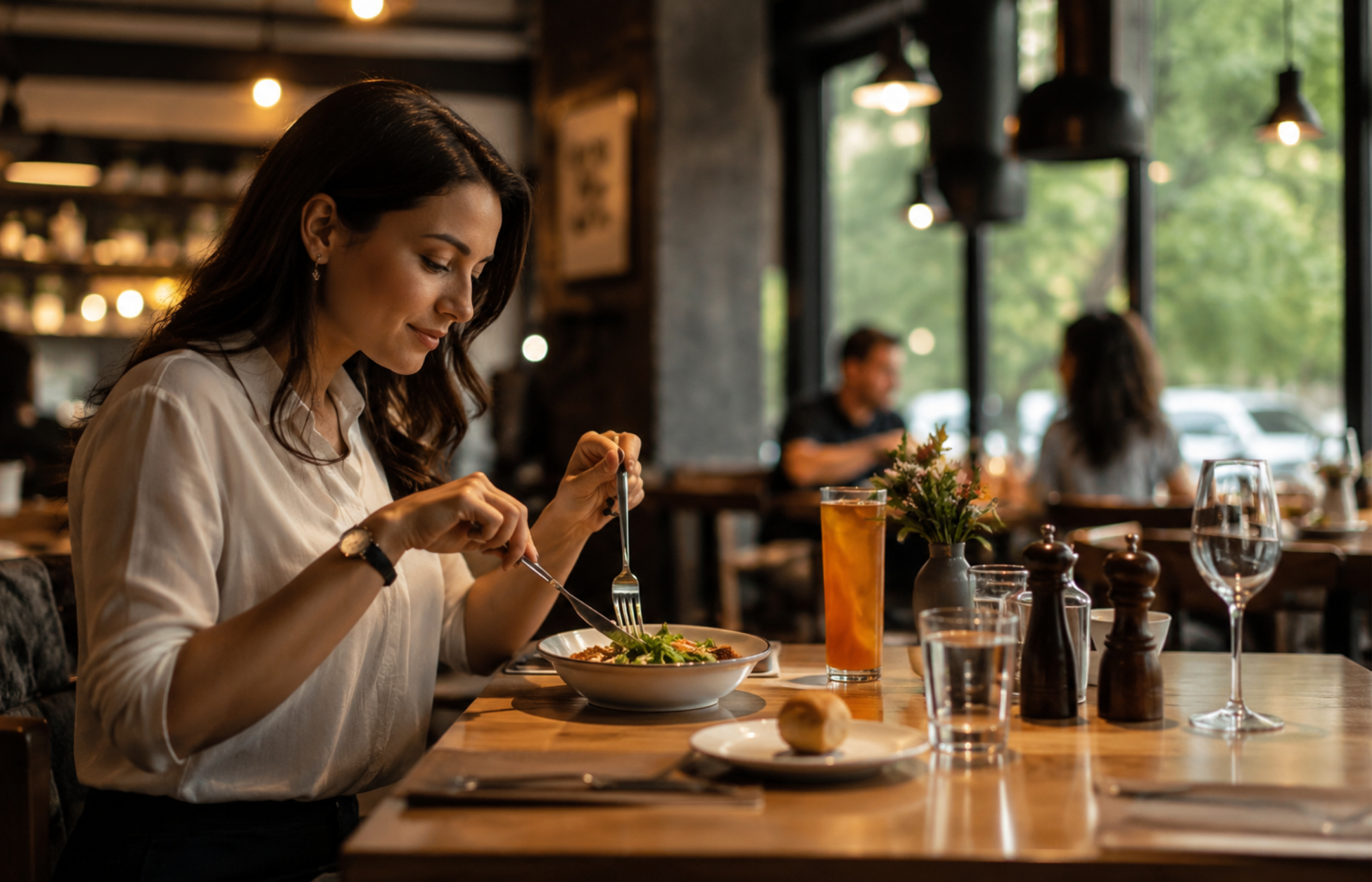
Weight-loss drugs like Ozempic and Wegovy aren’t just changing waistlines, they are changing how Americans eat out. According to a new study from Ohio, restaurant owners are rushing to update their menus to keep up with shifting dining habits. With roughly 1 in 8 adults now taking these GLP-1 medications, people are spending less money on food away from home.
It all comes down to how these medications work inside the body. GLP-1 drugs copy a natural gut hormone that regulates insulin and slows down digestion. Because food stays in the stomach much longer, people feel full for hours after eating very little. For many patients, just a few bites are enough to feel completely satisfied. Doctors expect this drop in appetite in fact, it is the main goal of the treatment rather than a random side effect. Still, patients need regular checkups to make sure they are losing weight safely.
Market researchers are seeing a significant drop in daily calorie intake among users, who are also spending much less at the grocery store. Financial experts predict food sales could drop by billions of dollars over the coming years as more people start these treatments.
Restaurants are fighting back by adapting fast. Many are now offering smaller portions, higher-protein choices like lean meats and beans, and lighter overall dishes. Not all places feel the pain equally. Fast-food chains are taking the hardest hit, while sit-down restaurants are fairing a bit better because their menus are easier to customize for small appetites.
Health experts warn that when people drop weight quickly on these drugs, they can lose muscle along with fat. Dietitians strongly advise patients to eat plenty of protein to protect their muscle strength, which is why so many menus are suddenly featuring protein-heavy options. While users often report major boosts in overall health, doctors also caution that side effects like stomach pain and nausea are common, meaning medical supervision remains crucial.
Despite their popularity, getting these treatments isn’t easy. Insurance coverage remains spotty; many health plans pay for the medication if it is prescribed for diabetes, but refuse to cover it for weight loss. Because out-of-pocket prices are sky-high, some patients turn to risky websites selling cheap, unapproved knockoffs or custom-mixed versions. Federal health officials warn that these unregulated copies carry serious safety risks, and regulators are actively cracking down on fake products entering the market.
Industry experts believe this shift is just getting started. As drug companies launch pill versions of these medications, even more people will have access to treatment. Between new medical options and changing customer preferences, the restaurant industry is looking at a permanent transformation.