Semaglutide Approval Links to Surge in Poison Control Calls
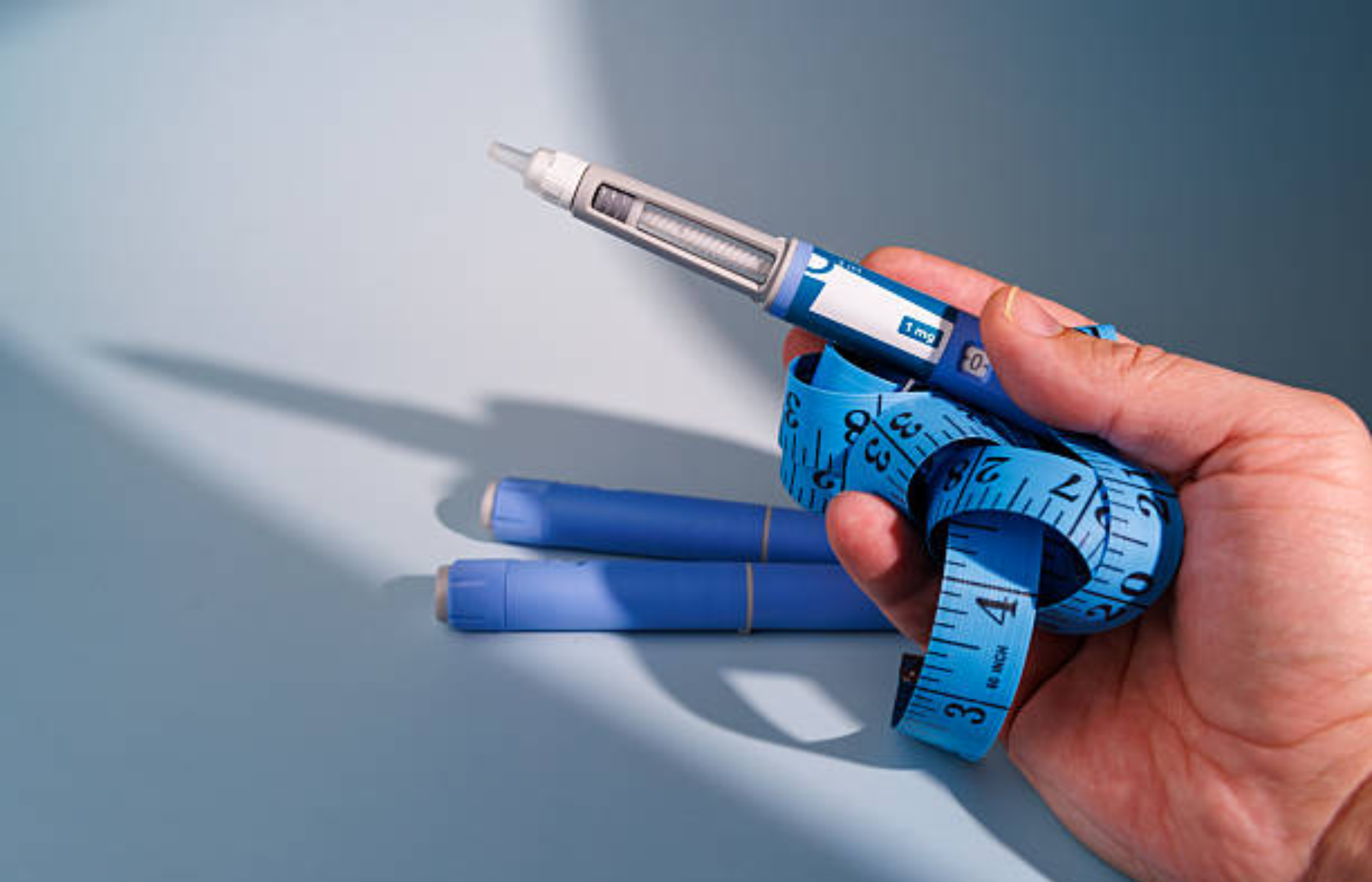
National poison control centers reported a significant increase in calls related to glucagon-like peptide-1 receptor agonists. This surge followed a major federal decision. The Food and Drug Administration approved semaglutide for chronic weight management in 2021. As a result, the demand for the medication grew sharply.
Researchers noted a rise in emergency hotline activity across the country. Before the 2021 approval, national centers logged between 1,000 and 1,500 related cases each year. Call volume nearly doubled in the months after the regulatory decision. By 2023, centers recorded over 8,000 cases linked to these medications.
This change represented a several-fold increase in about two years. Analysts from a leading national university department conducted the investigation. They collaborated with senior poison information specialists and emergency medicine physicians. The team reviewed extensive national call data to find specific patterns.
Investigators assessed whether the increase showed a real trend related to easier access to the medication. The medication requires weekly injections instead of daily ones. Additionally, clinical guidance recommends a gradual dose increase over several weeks. As a result, patients must adhere to a strict titration schedule.
The analysis identified two main dosing errors as the top reasons for center contact. Some patients injected the medication every day instead of weekly. Others skipped the escalation schedule and used the maximum dose right away. Consequently, individuals received much more medication than guidelines allow.
Most reported cases involved unintentional dosing errors rather than intentional misuse. Still, the size of the increase surprised the investigative team. Semaglutide became the leading single drug category within the larger dataset. Media attention around weight loss applications appeared to exceed patient education.
Marketing the medication for weight management changed how people think about dosing safety. Long-term safety data for weight management is lacking compared to its use for diabetes. With this in mind, the research team urged clearer counseling. Healthcare providers need to make sure patients understand how to administer the medication before starting treatment.
The peer-reviewed findings were published in a respected toxicology journal. The results are important for clinicians, pharmacists, and regulators assessing safety protocols. Therefore, the authors suggested additional measures to reduce future errors. These measures include more pharmacist counseling and clearer packaging instructions.
Targeted efforts could help prevent incorrect injection frequency and premature use of maximum doses. Given the ongoing rise in prescriptions, call volumes may stay high without stronger educational initiatives. Regulatory agencies and manufacturers might need to reconsider how they share dosing information with the public. Better outreach is essential as weight management indications keep broadening access for more people.