The Battle for the Daily Weight Loss Pill: Novo Nordisk Faces Off Against Eli Lilly

Eli Lilly is eating into the injectable weight management market at a blistering pace. That leaves Novo Nordisk scrambling to defend its last real stronghold: the daily pill.
To see why this matters, you have to look at the science behind GLP-1 therapies.
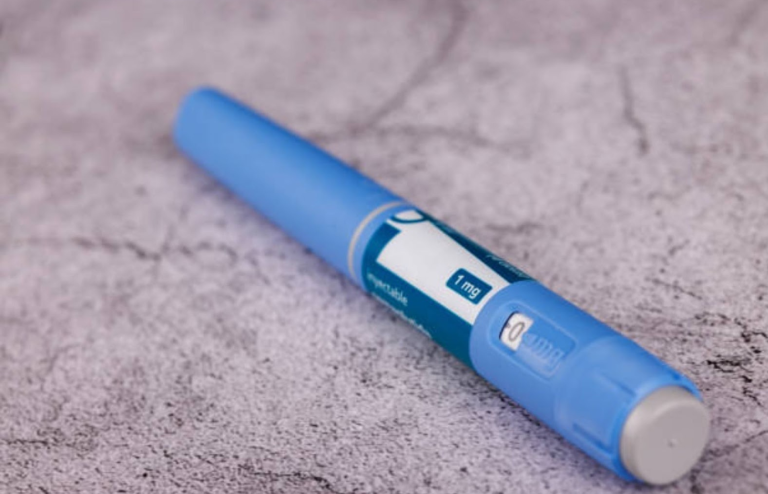
These medications basically trick your brain into feeling full by mimicking a natural digestive hormone. What started as a niche diabetes treatment quickly morphed into a massive gold rush for weight loss drugs.
For years, patients had to rely on weekly stomach shots to get these benefits. Novo changed the game back in 2019 when it scored federal approval for Rybelsus, the first-ever daily tablet for type 2 diabetes.
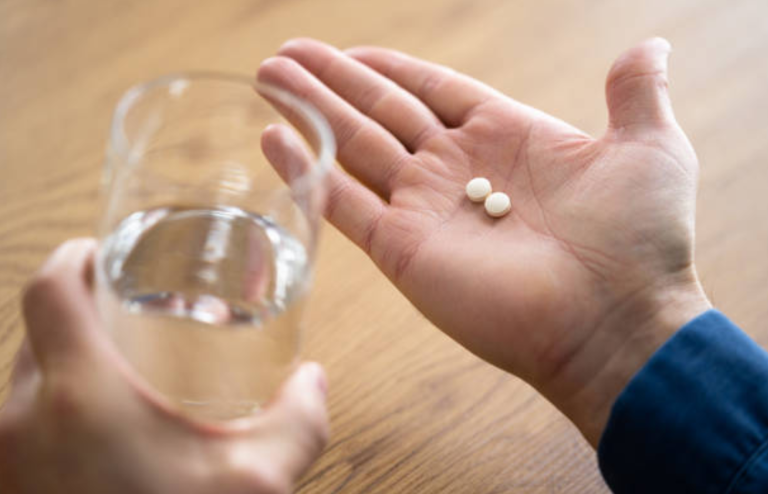
They pulled off another massive win late last year. The FDA greenlit an oral version of their blockbuster medication Wegovy, making it the first daily pill approved strictly for shedding pounds. Demand went through the roof almost overnight.
Doctors wrote over 600,000 prescriptions in just the first two months of its U.S. launch. Most of those went to folks who had never tried this type of medication before.
But Novo isn’t sitting comfortably right now.
The Danish company recently warned investors about a looming drop in 2026 profits, pointing to strict federal pricing rules and aggressive market competition.
The biggest headache is Eli Lilly’s highly successful Zepbound injection, which is heavily undercutting Novo’s dominance.
Novo banked on its next-generation shot, CagriSema, to steal back the spotlight. That plan completely backfired when the drug failed to beat Zepbound’s 25 percent body mass reduction benchmark in a direct clinical trial.
The disappointing results tanked Novo’s stock, shifting the battleground entirely to the oral market. Now, Eli Lilly is prepping to launch its own daily tablet, orforglipron, as soon as this spring.
Clinical data show Lilly is playing for keeps. In a recent late-stage trial, orforglipron
easily outperformed Novo’s older Rybelsus pill in both sugar control and mass reduction.
But that victory came with a pretty miserable catch for patients. The newer pill triggered intense digestive side effects, causing trial participants to drop out at double the rate of the Rybelsus group.
Physical tolerability is quickly becoming the ultimate deciding factor in this arms race. Making a highly potent pill that doesn’t wreck your stomach is incredibly difficult because biological compounds rarely survive the human gut.
Looking for a fix, Novo Nordisk just dropped $2.1 billion into a partnership with Vivtex Corporation. The startup specialises in keeping these fragile biological ingredients intact during digestion.
If Novo can perfect a gentle, effective pill, they might just keep their crown. But we still have to talk about the massive price tags attached to these therapies.
Without top-tier insurance, the out-of-pocket costs are often completely out of reach for average Americans. That’s exactly why patients actively hunt for ways to bring the total down at the pharmacy counter.
Using things like discount codes for weight loss jabs helps to reduce your prices significantly when checking out. Pharmaceutical companies also run savings programs specifically for commercially insured people who are stuck with sky-high deductibles.
Combining those official manufacturer programs with everyday discount codes for weight loss jabs can make a huge financial difference.
We’re also finally seeing a shift in how these companies approach their baseline pricing. Novo recently agreed to slash list prices for some of its legacy medications to stay competitive.
Meanwhile, Eli Lilly plans to roll out its new oral options with aggressive cash discounts for the uninsured. Both companies are even cutting deals with federal insurance programs to lock in market share.
For consumers, this corporate turf war means cheaper, better, and easier treatments are just around the corner.