Common Wegovy Pills Side Effects and How to Manage Them

Starting a new drug, such as GLP-1 tablets (oral semaglutide, also known as Wegovy Pill and Rybelsus), can be both exciting and frightening. These drugs offer a huge step forward for many people who are managing type 2 diabetes or trying to lose weight. They work by mimicking a hormone your body naturally produces, which reduces hunger, regulates blood sugar, and extends the feeling of fullness.
The most common side effects of these oral GLP-1 medications are mainly related to your digestive system. Your stomach and intestines need time to adjust to the changes the medicine brings, like slowing down how quickly food moves through your body. Let’s talk about the most common ones with empathy and practical tips.
Nausea: The Most Frequent Challenge
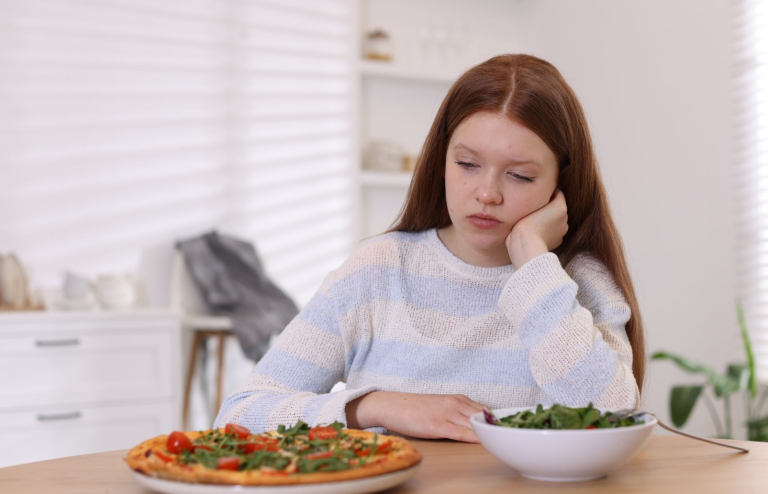
Nausea is the side effect that many people mention first, and it can be really tough. It often feels like a queasy, unsettled stomach, making eating less appealing. This is especially common when you first start the pill or when your doctor increases the dose. It might make you feel frustrated or even a bit discouraged, especially if you’re trying to maintain a healthy eating routine.
During this phase, it’s normal to feel frustrated or discouraged especially if you’re trying to follow a balanced eating routine. The key thing to remember is that this side effect is usually temporary, for many people and it eases as the body gradually adapts to the medication.
Here are some Compassionate Ways to help manage it:
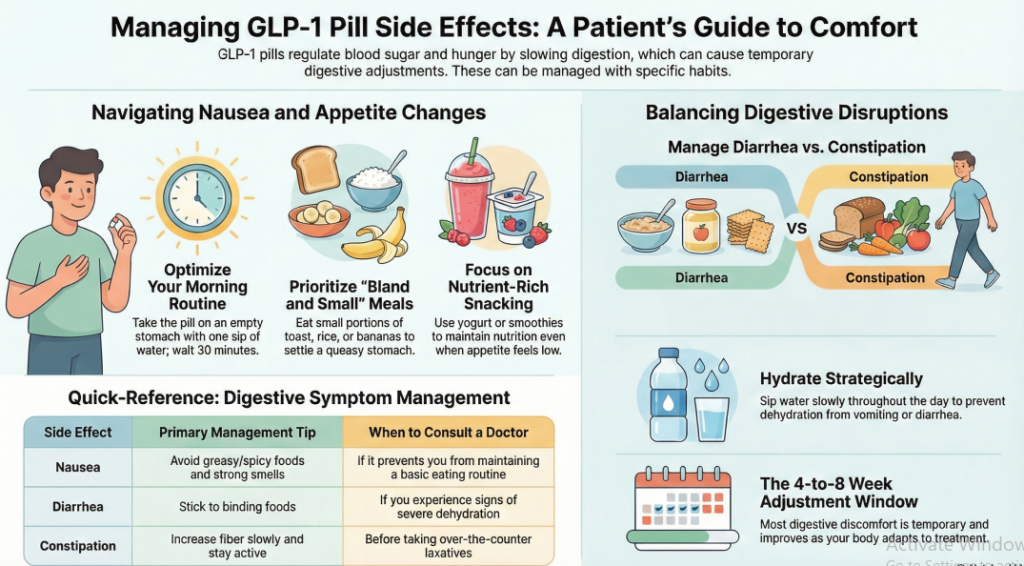
Take the pill in the morning on an empty stomach with a small sip of water, then wait 30 minutes before eating or drinking. Eat small, light meals like toast, rice, or bananas, and sip water slowly to stay hydrated. Avoid greasy, spicy foods and strong smells and eat calmly. Nausea is common at first and usually improves as your body adjusts. Give yourself time.
Vomiting and Decreased Appetite
Sometimes nausea can lead to vomiting, which feels exhausting and discouraging. Decreased appetite often comes along with this, which can be helpful for weight goals but might make you worry about getting enough nutrients.
GLP-1 pills often reduce appetite, which helps with weight loss. For some, this can be a good change, but it might also cause worry about getting enough nutrients and eating balanced meals. To stay healthy, try eating small, nutritious foods, drinking plenty of water, and paying attention to how your body feels. If you vomit a lot or lose too much appetite, be sure to talk to your healthcare provider to make sure you stay healthy during treatment.
Tips to ease this gently
If vomiting occurs, it’s important to rest and start with clear fluids to prevent dehydration, then slowly reintroduce small, nutrient-rich foods like yogurt, applesauce, or smoothies when you feel able, as these can help maintain energy without upsetting your stomach, and if vomiting continues or becomes severe, you should speak with your doctor, who may temporarily adjust your dose or recommend anti-nausea support to help manage the symptoms safely.
Here is a simple and clear table summarizing the common side effects of GLP-1 pills (like oral semaglutide/Rybelsus) and gentle ways to manage them & based on the article.
| Side Effect | How It Feels / What Happens | Simple Ways to Manage It | Extra Note / When to Be Careful |
| Nausea | Queasy, unsettled stomach; don’t feel like eating | – Take the pill first thing in the morning on an empty stomach with a tiny sip of water- Wait 30 min before eating/drinking more- Eat small, frequent, bland meals (crackers, toast, banana, rice)- Sip water slowly- Try ginger tea- Avoid strong smells, greasy/spicy food | Usually worst in the first weeks → gets better with time |
| Vomiting | Feeling sick enough to throw up | – Rest and sip clear fluids slowly- Try small nutrient-rich snacks when you feel better (yogurt, applesauce, smoothie)- Talk to the doctor if it keeps happening | Doctor may lower the dose temporarily if severe |
| Decreased Appetite | Not feeling hungry much | – Eat small, nutrient-rich foods even if not very hungry- Focus on protein + healthy foods | Helpful for weight loss, but don’t skip nutrition |
| Diarrhea | Loose or frequent stools | – Drink plenty of fluids (water + oral rehydration if needed)- Eat binding foods: banana, rice, plain toast- Avoid caffeine, dairy, sugary drinks for a while | Watch for dehydration → contact a doctor if very bad |
| Constipation | Hard stools, bloating, discomfort | – Drink lots of water- Add fiber slowly (fruits, vegetables, whole grains)- Take gentle walks- Doctor may suggest a mild laxative | Increase fiber gradually to avoid more gas/bloating |
| Stomach Pain / Bloating / Gas / Indigestion | Belly discomfort, feeling full of gas, mild pain | – Eat smaller meals- Avoid fatty foods- Stay upright after eating- Eat slowly in a calm place | Usually mild and improves in 4–8 weeks |
Diarrhea and Constipation: The Ups and Downs
Diarrhea and constipation are common side effects that can make digestion feel unpredictable. Diarrhea may start suddenly, causing tiredness, dehydration, and reluctance to go out. Constipation can lead to bloating, stomach discomfort, and a heavy, sluggish feeling that affects daily comfort. These symptoms occur because GLP-1 pills slow digestion, allowing your body to adjust. Drinking enough water, eating moderate amounts of fiber-rich foods, and staying lightly active can help restore balance. If these issues continue or worsen, a healthcare provider can recommend safe ways to ease them.
Ways to find balance
For diarrhea, it helps to drink plenty of fluids such as water or oral rehydration solutions if needed and choose binding foods like bananas, rice, or plain toast while temporarily avoiding caffeine, dairy, and sugary drinks that can worsen symptoms, whereas for constipation, gradually increasing fiber through fruits, vegetables, and whole grains along with drinking enough water and taking gentle walks can support regular bowel movements, and although over-the-counter options like anti-diarrheal medicines or mild laxatives may provide relief, it’s always best to check with your doctor before using them.
Conclusion
Common side effects of GLP-1 pills often become more manageable with the right approach and some patience. Symptoms like nausea, vomiting, or decreased appetite may be uncomfortable initially but typically ease as your body adapts to the medication. Adhering to dosing instructions, eating light meals, staying hydrated, and paying attention to how you feel can greatly help. With proper guidance from a healthcare provider and mindful self-care, most people can effectively manage these side effects and continue their treatment confidently.
By following the prescribed dosing instructions, choosing light and nourishing meals, staying well hydrated, and paying attention to how your body feels, side effects can be managed more comfortably. With support from a healthcare provider and a little patience, many people can continue GLP-1 treatment safely and confidently while benefiting from its long-term effects.