Novo Nordisk to Seek Chinese Approval for Wegovy Pill Amid Rising Competition

Novo Nordisk plans to seek approval for its oral weight loss medication. The company will soon submit applications to the National Medical Products Administration. This move targets the second largest pharmaceutical market and responds to increasing competition from Eli Lilly. As a result, both companies are working hard to gain a larger market share.
The active ingredient, semaglutide, is part of a group of medications known as GLP-1 receptor agonists. This compound mimics a natural hormone that controls appetite and digestion. It slows gastric emptying and helps people feel full. Clinical trials show significant weight loss among patients using these therapies.
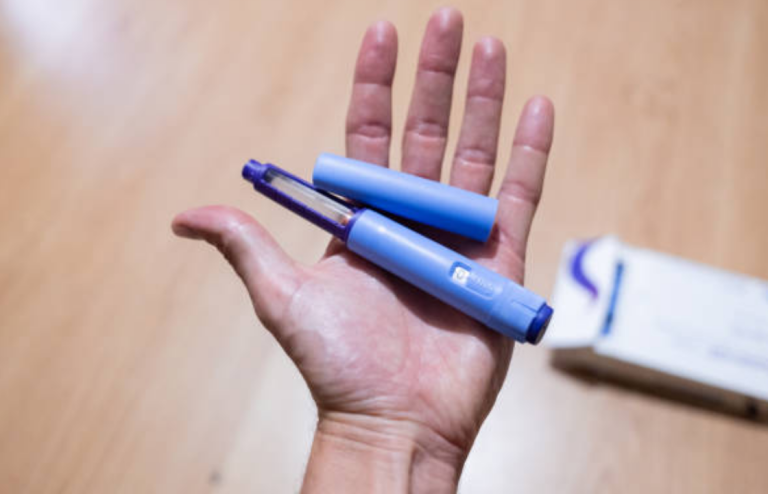
Currently, patients can only access this medication through subcutaneous injection. An oral version could greatly expand treatment options for patients who are hesitant about injections. Both companies believe that pill forms will attract a new patient group. An oral option will also significantly increase the obesity treatment market.

Timing is critical for Novo Nordisk regarding this approval. The patent protection for semaglutide will expire sooner in this market than in Western countries. Therefore, the manufacturer feels pressure to establish its brand early.
At the same time, Eli Lilly is developing its own oral and injectable obesity treatments. Notably, regulators in the United Kingdom approved the oral formulation on June 11, 2026. This approval is part of a global trend toward easier access to oral medications. These developments show the growing competition among pharmaceutical companies.
For comparison, the Food and Drug Administration classifies these therapies as prescription-only medications. Ozempic treats type 2 diabetes, while Wegovy focuses on chronic weight management. International regulators are still reviewing oral formulations for both health conditions. The national regulatory authority will ultimately decide if this pill will be available to patients.
Both companies are investing heavily in their global obesity drug portfolios. This rivalry highlights a larger change driven by receptor agonists. Upcoming regulatory decisions will likely affect future pricing and access. Still, these competing strategies indicate continued growth in the global weight management market.