GLP-1 Receptor Agonists and Dietary Management: Clinical Considerations

The advent of GLP-1 receptor agonists has transformed the management of obesity and diabetes. These agents induce weight loss by influencing gastrointestinal motility and the regulation of appetite. As a result, patients encounter specific nutritional difficulties when dietary variability is high. Meal composition clinical guidance is a crucial element of comprehensive management.
These therapies have a considerable impact on physiology, as they delay gastric emptying. While this mechanism extends the feeling of fullness, it also raises the likelihood of nausea and bloating. Moreover, meals that are either high in fat or large in size frequently cause discomfort after eating. Symptom management and therapeutic adherence are enhanced by structured planning.
The article investigates the reasoning behind compatible nutritional strategies during holidays. It assesses the macronutrient principles that dictate meal tolerance for this population. In addition, it offers categories aligned with evidence that promote digestive ease and stability. All recommendations are based on well-established principles of nutritional science.
Gastric Motility and Macronutrient Interaction
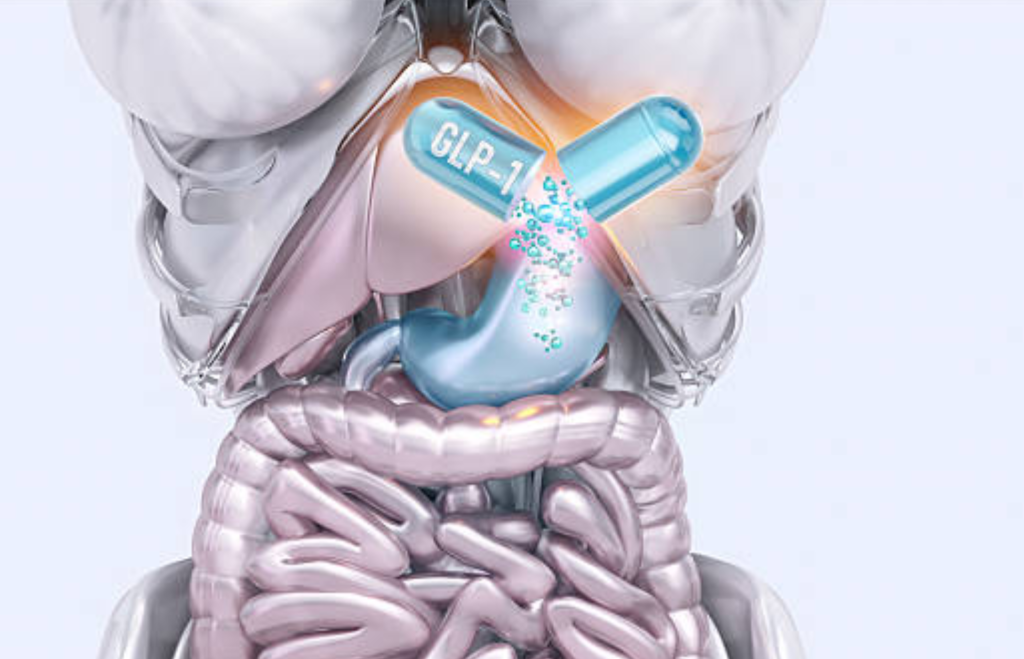
The transit rate of nutrients through the stomach is diminished by GLP-1 receptor agonists. Due to this delay, the release of satiety hormones is heightened and the risk of symptoms appearing is increased. Meals rich in fat cause the largest postponement and have a high potential for inducing nausea. Higher-protein meals, by contrast, transit more reliably and maintain feelings of fullness.
These therapies interact with dietary fiber through complementary mechanisms. Soluble fiber helps to slow glucose absorption and contributes to reduced glycemic excursions. Insoluble fiber aids in maintaining bowel regularity, a factor of clinical importance considering the dangers of constipation. Based on this, meals that incorporate both types of fiber take into account various physiological factors.
Protein Requirements and Satiety Architecture
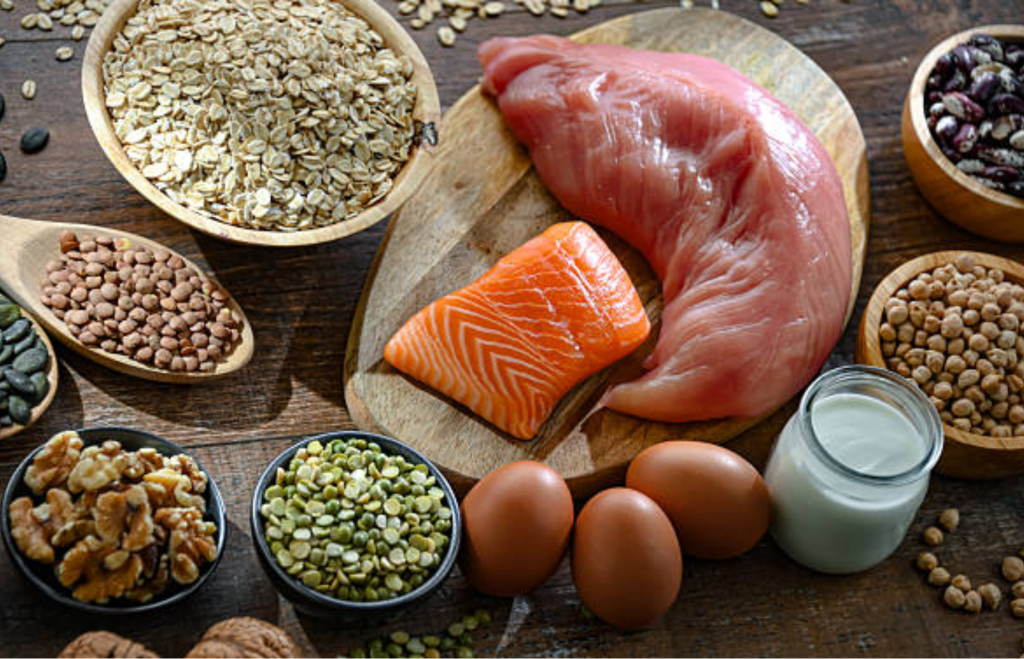
Adequate protein preserves lean body mass during pharmacologically facilitated weight loss. Clinical evidence supports protein targets of 1.2 to 1.6 grams per kilogram. Therefore, meal planning should prioritize protein-dense ingredients at each eating occasion. This approach ensures patients maintain muscle health while losing fat.
Protein has independent effects on gastric emptying and satiety hormones. It promotes the secretion of GLP-1 that is produced within the body, thereby strengthening the pharmacological effect of agonists. In addition, meals high in protein are more effective than those rich in carbohydrates at reducing glucose variability after eating. In light of this, prioritizing protein includes managing both appetite and glycemic levels.
Breakfast: Protein-Forward Morning Meals

Morning meals establish protein adequacy before appetite suppression intensifies later. Recipients frequently report reduced hunger in mid-morning hours, which limits total intake. A breakfast incorporating eggs and high-protein bread achieves necessary density. Notably, natural sweeteners like cinnamon provide flavor without a significant glycemic burden.
Berry-based additions provide anthocyanins and soluble fiber that support insulin sensitivity. Research indicates that polyphenol-rich foods modulate glucose excursions through distinct pathways. Hence, integrating berries into a high-protein breakfast produces additive benefits. This approach supports the broader goal of sustained metabolic improvement.
Soup-Based Meals: Digestive Comfort and Satiety

Liquid meal formats reduce the volume of solid gastric contents. This change decreases the risk of nausea associated with motility shifts. Broth-based soups with lean poultry and legumes deliver high-quality protein and fiber. Furthermore, the water content supports hydration and counters mild dehydration risks.
Herb-based seasoning profiles carry clinical relevance beyond simple flavor enhancement. Rosemary contains rosmarinic acid, while thyme provides antioxidant phenolic compounds. Nevertheless, the primary rationale centers on displacing sodium and saturated fats. In view of this, herb-forward recipes support cardiovascular health maintenance.
Protein-Centered Main Courses
Roasted poultry provides a lean, complete-protein main course with favorable profiles. Bone-in preparations retain moisture without requiring added fats for palatability. Citrus components contribute vitamin C and demonstrate modest anti-inflammatory activity. Building on this, structured main courses reduce reliance on high-fat holiday foods.
Roasting eliminates the added fat load associated with deep-frying methods. Patients receiving tirzepatide may demonstrate greater gastric motility effects than other groups. Accordingly, lower-fat preparation methods carry additional clinical relevance for these individuals. The U.S. Food and Drug Administration recently approved these agents for chronic weight management.
Low-Carbohydrate Vegetable Sides

Cauliflower-based dishes provide a relevant lower-carbohydrate alternative to potato preparations. Cauliflower delivers glucosinolates and fiber while contributing a lower glycemic load. Mashing preparations that incorporate olive oil reduce saturated fat content significantly. Small quantities of aged cheese contribute calcium and flavor through concentrated ingredients.
Dessert and Beverage Formulations

Fruit-based desserts prioritize fiber content and moderate glycemic loads for patients. Apple-based crumble formulations incorporating walnuts provide beta-glucan fiber and omega-3s. Similarly, protein-augmented cocoa prepared with unsweetened milk supports satiety. Therefore, dessert selection represents a modifiable variable with relevance to symptom management.
Meal Structure and Behavioral Considerations
The structure of meals affects tolerability irrespective of the exact macronutrient composition. Clinical guidance recommends smaller, more frequent meals rather than large portions. Consuming foods rich in protein first helps to promote an earlier release of satiety hormones and lowers consumption. Taking breaks between bites enables the central registration of signals from gastric stretch receptors.
It is necessary to pay special attention to managing fluid intake during social events. Drinks taken together with solid food increase volume and can lead to feelings of nausea. Clinical guidance suggests that liquid intake should be spaced apart from solid food consumption by a duration of 30 minutes.
Conclusion
GLP-1 receptor agonists stand for groundbreaking progress in the treatment of chronic obesity. Nevertheless, the effects on the gastrointestinal system necessitate particular demands for active management. Planning that emphasizes protein and fiber, aligned with evidence, tackles these physiological mechanisms. Clinicians find it advantageous to integrate structured guidance into their therapeutic methods.
Reference
Leidy, H. J., Clifton, P. M., Astrup, A., Wycherley, T. P., Westerterp-Plantenga, M. S., Luscombe-Marsh, N. D., Woods, S. C., & Mattes, R. D. (2015). The role of protein in weight loss and maintenance. American Journal of Clinical Nutrition, 101(6), 1320S-1329S. https://doi.org/10.3945/ajcn.114.084038
U.S. Food and Drug Administration. (2023). FDA approves new medication for chronic weightmanagement.https://www.fda.gov/news-events/press-announcements/fda-approves-new-medication-chronic-weight-management
Hoffer, L. J. (2022). Nutrition guidelines for improved clinical care. Nutrients, 14(7), 1407. https://doi.org/10.3390/nu14071407