Over-the-Counter GLP-1 Pills: Do Any Exist?

Over-the-counter (OTC) GLP-1 weight loss pills do not currently exist in the United States, and every true GLP-1 medication on the market remains available by prescription only. What you can purchase without a prescription are “GLP-1-supporting” supplements or standard weight loss pills, which are very different and have far less evidence behind them.
What Are GLP-1 Medications?
GLP-1 (glucagon-like peptide-1) medications are a group of drugs that mimic a natural gut hormone that helps control blood sugar, appetite, and digestion. In simple terms, these drugs help you feel full sooner, slow how quickly food leaves your stomach, and improve how your body handles glucose.
In the U.S., GLP-1 receptor agonists are FDA-approved for type 2 diabetes and, in some cases, for chronic weight management. Common brand names include:
- Rybelsus (oral semaglutide tablets for type 2 diabetes)
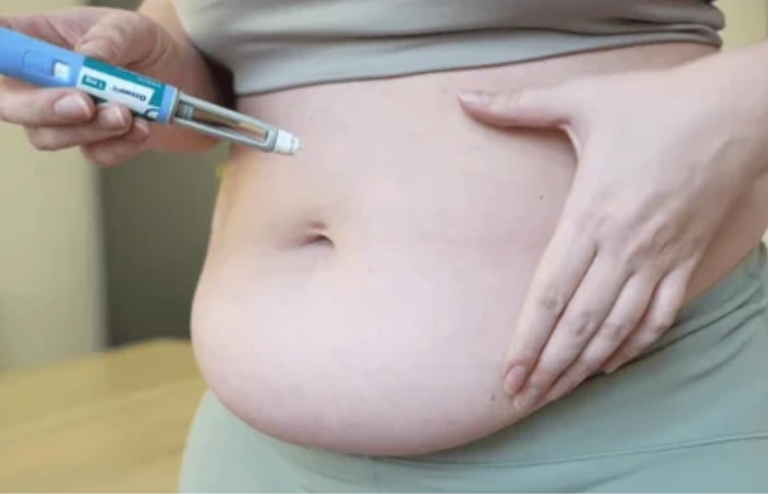
- Ozempic and Wegovy (injectable semaglutide for diabetes and obesity)
- Saxenda (liraglutide injection)
Is There an OTC GLP-1 Pill?
There is one true GLP-1 pill in the U.S., Rybelsus (oral semaglutide), but it is prescription-only, not over the counter. The FDA approved Rybelsus as the first and only GLP-1 receptor agonist in pill form for adults with type 2 diabetes and later expanded its label for broader first-line use, but it must be prescribed by a healthcare professional.
Important regulatory points:
- Rybelsus is an oral GLP-1 analog approved to improve blood sugar in adults with type 2 diabetes, alongside diet and exercise.
- No GLP-1 medication, in pill or injection form, has OTC status under current FDA rules.
- GLP-1 drugs are regulated as prescription medications because of their potency, side effects (like nausea, vomiting, and risk of rare but serious complications), and the need for medical monitoring.
So when people ask, “Do any OTC GLP-1 pills exist?” The honest answer in the U.S. is no, there are no nonprescription pills that contain semaglutide, tirzepatide, liraglutide, or any other GLP-1 agonist approved by the FDA.
What About “Natural” GLP-1 Supplements?
If you search online, you’ll see products marketed as “GLP-1 boosters,” “Nature’s Ozempic,” or “GLP-1 support” supplements. These are usually sold as dietary supplements and often contain ingredients like prebiotic fibers, plant extracts, or probiotics aimed at gut health.
Important differences from prescription GLP-1 medications:
- These supplements do not contain actual GLP-1 or synthetic GLP-1 receptor agonists.
- They may indirectly support GLP-1 release through mechanisms like increased short-chain fatty acid production from fiber, but effects are far weaker and less predictable than drugs like semaglutide.
- As dietary supplements, they are not evaluated by the FDA for safety and effectiveness the same way prescription drugs are; there is no guarantee of potency, purity, or real-world clinical benefit.
Some academic research shows that higher dietary fiber intake can increase GLP-1 secretion, but it is unclear whether packaged “GLP-1 supplements” provide added benefit beyond a high‑fiber diet rich in fruits, vegetables, and whole grains.
OTC Weight Loss Pills vs GLP-1s
What does exist in U.S. drugstores are OTC (over-the-counter) and prescription weight loss medications that work through completely different mechanisms. For example:
- Orlistat (Alli is OTC; Xenical is prescription) reduces fat absorption in the gut.
- Prescription pills like phentermine, Qsymia (phentermine/topiramate), and Contrave (naltrexone/bupropion) affect appetite and the central nervous system rather than GLP-1 receptors.
Compared with GLP-1 receptor agonists:
- GLP-1 drugs typically produce greater average weight loss (often 15–20% of body weight) compared with about 5-10% for older oral medications like orlistat, Contrave, or phentermine-based regimens.
- GLP-1s have a different side effect profile, dominated by gastrointestinal symptoms, whereas stimulants such as phentermine can raise heart rate and blood pressure and are only approved for short-term use.
This gap in effectiveness explains why people are so interested in the idea of an OTC GLP-1 pill, but as of now, that product simply does not exist in the regulated U.S. market.
How to Stay Safe if You’re Looking Online
The hype around GLP-1s has fueled a huge online marketplace of “copycat” and unregulated products. When you are looking for easier access, it’s important to protect yourself from risky options.
Practical safety tips:
- Be cautious of any website or supplement claiming to be “OTC semaglutide,” “OTC GLP-1 pill,” or “Ozempic in capsule form” without a prescription; this is not an FDA-recognized category.
- Use the FDA’s resources and approved product labeling to verify whether a medication is real and how it is regulated; semaglutide products like Rybelsus, Ozempic, and Wegovy are clearly listed as prescription drugs.
- Remember that dietary supplements sold in the U.S. do not require proof of efficacy before marketing, and the FDA generally acts after problems are identified rather than before products reach shelves.
Because GLP-1 drugs can interact with other medications and may not be appropriate for people with certain medical histories, meeting with a clinician is still the safest option to access evidence-based GLP-1 therapy.
Conclusion
At this point, there are no true over-the-counter GLP-1 pills in the United States, and any product suggesting otherwise should be treated with skepticism. The only genuine GLP-1 pill, Rybelsus, is available by prescription and is approved for type 2 diabetes management, not as a nonprescription weight loss supplement.
For those exploring weight management, that leaves three main evidence-based paths: prescription GLP-1 medications under medical supervision, other FDA-approved prescription or OTC weight loss drugs, and lifestyle approaches grounded in nutrition, physical activity, sleep, and mental health support.
If you are curious about GLP-1 therapy or unsure which options are safe for you, partnering with a healthcare professional is the most reliable way to cut through the noise and get a plan that fits your health history, goals, and risk profile.