Menopausal Hormone Therapy Combined With Tirzepatide Linked to Greater Weight Loss in Postmenopausal Women

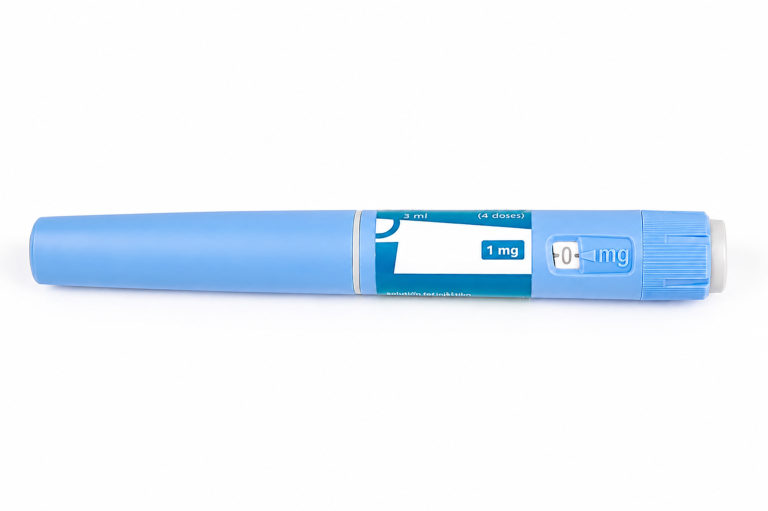
A new study suggests that combining hormone therapy with tirzepatide helps postmenopausal women lose more weight. Researchers found that women using both treatments saw a 35 percent greater reduction in weight. This discovery offers a potentially helpful strategy for managing obesity after menopause. It specifically addresses the health risks that many women face during this life stage.
The research looked at 120 postmenopausal women who were overweight or obese. All participants used tirzepatide for at least one year as part of their medical care. Out of this group, 40 women also took hormone therapy while 80 did not. This allowed the team to compare how the two different groups progressed over time.
Women taking both treatments lost an average of 19.2 percent of their body weight. Meanwhile, those using only tirzepatide lost 14 percent during the same period. More women in the hormone therapy group reached their major weight loss goals. These results suggest that the two treatments might work better when used together.
Tirzepatide is a modern medication that helps control blood sugar and appetite. Federal health agencies have approved it for long-term weight management in certain adults. Hormone therapy typically uses estrogen to treat common symptoms like hot flashes. Given this, the study explores if these hormonal effects also help with medical weight loss.
The lead researcher noted a few important limits to this specific study. Since the team looked at past data, they cannot prove that one treatment caused the other. Consequently, the results show a strong link rather than a certain medical fact. Experts still believe these findings are vital for creating personalized health plans for women.
Independent doctors have asked for a careful look at these early results. Differences in how patients live their daily lives might explain some of the weight loss. For example, women on hormone therapy might have started with healthier habits. Therefore, these outside factors can sometimes make it hard to draw a final conclusion.
The research team also suggested a biological reason for the difference in results. Early evidence shows that estrogen might make weight loss drugs work more effectively in the brain. Along with this, feeling better from hormone therapy can lead to better sleep. Better rest usually makes it easier for people to stick to their diet and exercise.
Hormone therapy is not the right choice for every patient. It carries risks for those with a history of blood clots or certain types of cancer. Doctors must look at each person’s health history before starting any new therapy. Nevertheless, the safety data from this study did not show any new or unexpected problems.
The drop in hormones during menopause often leads to quick weight gain and heart risks. Creating effective and personal medical plans is very important for public health. More clinical trials are now needed to confirm if these two treatments truly boost each other. Thus, having solid proof could help millions of women manage their health more effectively.