Nutrition Experts Outline What to Eat When Starting GLP-1 Medications

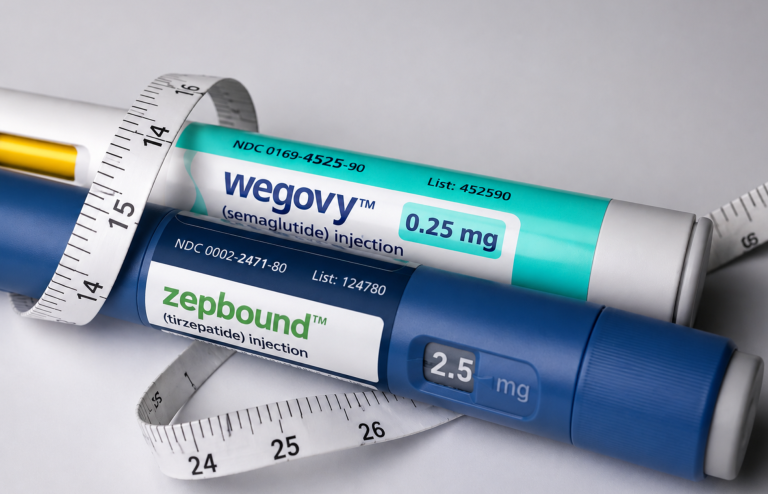
As more people turn to GLP-1 medications for weight loss and metabolic health, doctors are urging patients to rethink what goes on their plates. These medications, including semaglutide and tirzepatide, reduce appetite and slow digestion. That shift can support weight loss, but it also changes how the body responds to food. Experts say the right nutrition plan can ease side effects and improve long-term results.
GLP-1 medications work by mimicking a hormone that regulates blood sugar and hunger. Patients often feel full faster and stay full longer. Many people naturally eat less. While that helps with weight loss, it can also reduce overall nutrient intake. That makes food quality more important than ever.
Nutritionists recommend prioritizing protein at every meal. Protein preserves muscle mass during weight loss and supports steady energy levels. It also promotes satiety, which helps prevent overeating later in the day. Lean chicken, turkey, and eggs offer high-quality protein that is easy to digest. Fatty fish like salmon provide protein plus heart-healthy omega-3 fats. Greek yogurt and cottage cheese deliver protein along with gut-friendly probiotics.
Experts advise spreading protein intake evenly throughout the day. Smaller portions consumed consistently work better than one large serving. Since GLP-1 medications slow stomach emptying, large meals can cause discomfort. Patients often report nausea or bloating after heavy meals. Smaller, protein-rich meals can reduce those symptoms.
Fiber also plays a key role when starting GLP-1 medication. Fiber supports digestion and helps regulate blood sugar levels. It can also reduce constipation, which some patients experience during treatment. Leafy greens such as spinach and kale provide fiber without excess calories. Vegetables like broccoli, carrots, and Brussels sprouts add nutrients and texture. These foods promote fullness without overwhelming the stomach.
Complex carbohydrates offer another important benefit. Unlike refined carbs, complex carbs digest slowly and prevent sharp blood sugar spikes. Whole grains such as oats, quinoa, and brown rice provide steady energy. Legumes like lentils, chickpeas, and black beans supply both fiber and plant-based protein. Sweet potatoes offer vitamins and slow-burning carbohydrates that work well with reduced appetite.
Healthy fats should not be overlooked. Many people mistakenly cut fats when trying to lose weight. However, healthy fats enhance satiety and support nutrient absorption. Avocados provide monounsaturated fats and fiber. Nuts and seeds add protein, crunch, and essential fatty acids. Olive oil supports heart health and enhances flavor without heavy processing. When eaten in moderation, these fats improve meal satisfaction.
Gut health also deserves attention during GLP-1 treatment. Because digestion slows, maintaining a healthy microbiome becomes essential. Fermented foods can help balance gut bacteria and reduce digestive discomfort. Yogurt with live cultures, kefir, sauerkraut, and kimchi offer natural probiotics. These foods may ease bloating and support smoother digestion.
Fruits remain an important part of a balanced diet, but experts recommend low-glycemic options. Berries, green apples, kiwi, and pears provide fiber and antioxidants without rapid sugar spikes. Pairing fruit with protein or healthy fat improves blood sugar stability. For example, apple slices with almond butter create a balanced snack.
Hydration is another crucial factor. Reduced food intake can sometimes mean reduced fluid intake. Dehydration can worsen constipation and fatigue. Drinking water consistently throughout the day supports digestion and overall comfort. Herbal teas and electrolyte-enhanced water can also help maintain balance.
At the same time, experts advise limiting certain foods. Highly processed snacks, sugary beverages, and refined carbohydrates can disrupt blood sugar control. Fried and greasy foods may worsen nausea or gastrointestinal discomfort. Large portions can overwhelm a slower digestive system. Patients often feel better when they avoid heavy, high-fat restaurant meals.
Mindful eating habits can also improve results. Eating slowly allows the body to recognize fullness signals. Chewing thoroughly supports easier digestion. Patients should stop eating when they feel satisfied, not overly full. Listening to the body becomes easier with reduced hunger cues.
Doctors emphasize that GLP-1 medications are not magic solutions. Nutrition still drives long-term metabolic health. A balanced diet rich in protein, fiber, healthy fats, and complex carbohydrates supports both weight loss and muscle preservation. Thoughtful food choices can also minimize unwanted side effects.
For many patients, the first few weeks require adjustment. For instance, the appetite may fluctuate, and certain foods may feel less appealing. Experts suggest experimenting with smaller portions and simpler meals during this period. Over time, most patients find a rhythm that works.
The key message remains clear. GLP-1 medications change how the body experiences hunger, but they do not replace good nutrition. Patients who focus on whole, nutrient-dense foods often report better energy and fewer digestive issues. With the right approach, diet and medication can work together to deliver sustainable results
References
NewBeauty. (n.d.). Best foods to eat when starting GLP-1 medication. NewBeauty. https://www.newbeauty.com/best-foods-to-eat-when-starting-glp-1-medication/
Healthline. (2025, September 1). GLP-1 diet: Foods to eat and foods to avoid. Healthline. https://www.healthline.com/health/nutrition/glp-1-diet
Obesity Action Coalition. (2026). How to eat well and feel your best on GLP-1 medications. Obesity Action Coalition. https://www.obesityaction.org/resources/eat-well-on-glp-1-medications/
HealthDay. (2026, January). Taking a GLP-1 medicine? Here’s what experts say you should eat. HealthDay News. https://www.healthday.com/health-news/weight-loss/taking-a-glp-1-medicine-heres-what-experts-say-you-should-eat