Dosing: How to Take GLP-1 Pills
GLP-1 pills are taken daily on an empty stomach with defined timing rules. They currently refer only to oral semaglutide, but more options may be available in the future.
What Are GLP-1 Pills?
Glucagon-like peptide-1 (GLP-1) is a hormone that regulates blood sugar and appetite. GLP-1 medicines copy this hormone’s effects, delaying stomach emptying, boosting insulin release, and reducing hunger.
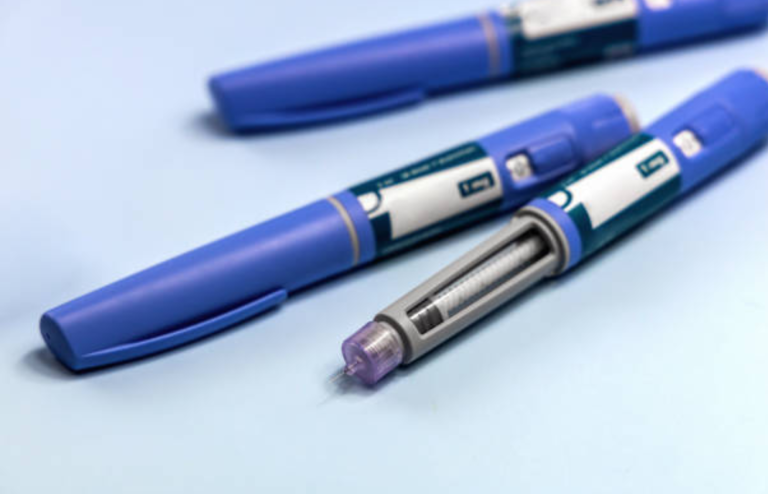
Currently, in the US, the only approved GLP-1 pill is oral semaglutide, sold as Rybelsus for diabetes. Other GLP-1 drugs, like Ozempic, Wegovy, and Mounjaro, are injectable and not available as pills.
How GLP-1 Pills Work
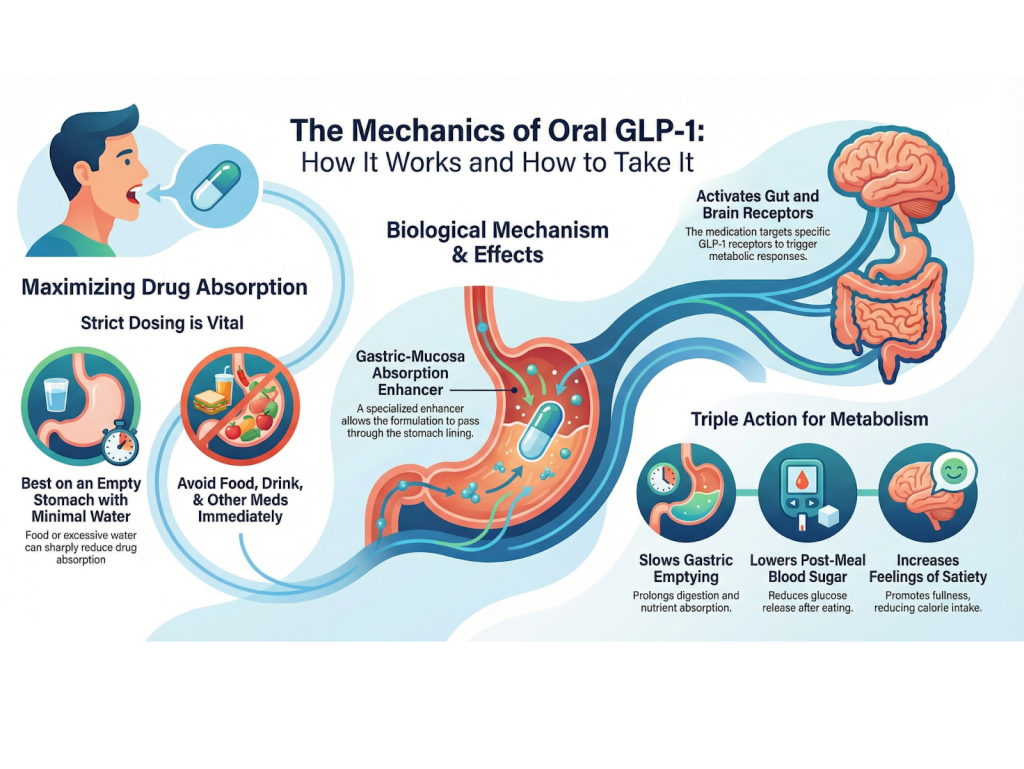
GLP-1 pills activate GLP-1 receptors in the gut and brain. This action slows how fast food leaves the stomach, lowers blood sugar after meals, and promotes satiety.
Oral semaglutide uses an absorption enhancer so the medication can pass through the stomach lining. Correct dosing conditions are vital because food or too much water can sharply reduce how much drug is absorbed.
How to Take GLP-1 Pills
Always follow your prescriber’s instructions and the package insert. The usual steps are:
- Take the pill once daily when you first wake up.
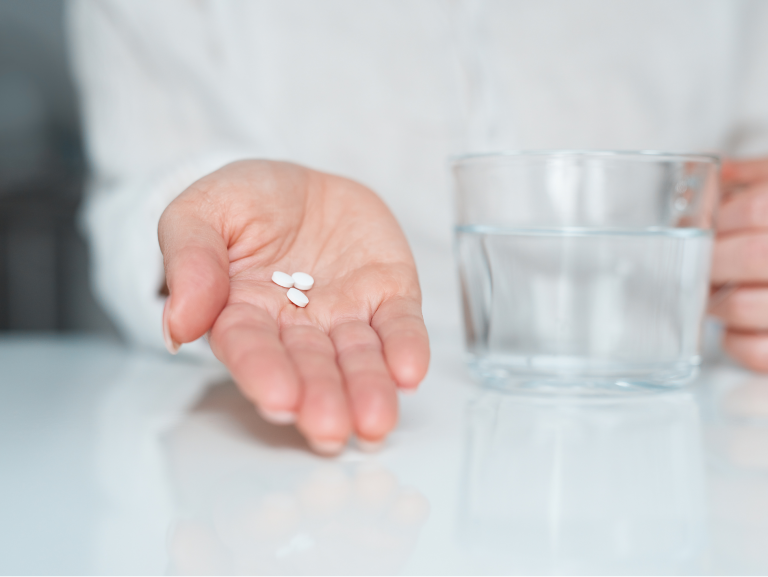
- Have it with no more than 4 ounces of plain water.
- Swallow the tablet whole; do not chew, crush, or split it.
- Wait at least 30 minutes before eating, drinking, or taking other oral medicines.
- Try to eat within 30–60 minutes after the dose.
If you miss a dose, skip it and take your next dose the following day. Always check the label or call your prescriber for personalized guidance.
Titration and Dose Increases
GLP-1 pills usually start at a low dose to reduce side effects like nausea. Your clinician may increase the dose every four weeks or longer, depending on blood sugar, tolerability, and treatment goals.
Common starting and target doses for oral semaglutide are:
- 3 mg once daily for at least 30 days.
- Then 7 mg once daily, if tolerated, and more control is needed.
- Some patients move to 14 mg once daily for additional benefit.
Never change your dose without checking with your healthcare professional.
Side Effects and Safety
The most common GLP-1 pill side effects are gastrointestinal. These often appear during dose increases and may ease over time.
Typical effects include:
- Nausea or vomiting.
- Diarrhea.
- Constipation.
- Abdominal pain, bloating, or indigestion
Strategies that may help include portion control, eating more slowly, avoiding greasy foods, and staying hydrated.
More serious but less common risks can include gallbladder issues and pancreatitis; seek urgent care for severe, persistent abdominal pain. GLP-1 drugs carry a boxed warning for thyroid C-cell tumors in rodent studies. They are not advised for people with a personal or family history of medullary thyroid cancer or MEN 2.
People with severe gastrointestinal disease, gastroparesis, or certain kidney problems may not be suitable. These medicines are also not recommended during pregnancy or breastfeeding because of insufficient safety data.
Current Availability and Research
In the US, oral semaglutide (Rybelsus) is approved for adults with type 2 diabetes, primarily to improve blood sugar control. It is not currently approved solely for weight loss, though weight reduction often happens.
Clinical trials show that oral semaglutide lowers A1c and promotes modest weight loss compared with placebo or some other diabetes drugs. Increased doses tend to provide greater benefits but bring more gastrointestinal side effects.
Future Expectations
Researchers are developing higher-dose oral semaglutide and new oral GLP-1 or multi-agonist pills for obesity and diabetes. Upcoming formulations may improve absorption, allow more flexible dosing, or combine GLP-1 with other hormone targets for stronger weight and metabolic effects.
If these drugs succeed in trials, they could expand pill options for people who prefer not to inject medication.
Pills vs Injectable GLP-1s
The following table compares current GLP-1 pills and injectable GLP-1 drugs used in the US.
| Feature | GLP-1 Pills (oral semaglutide) | Injectable GLP-1s (e.g., Ozempic, Wegovy, Mounjaro) |
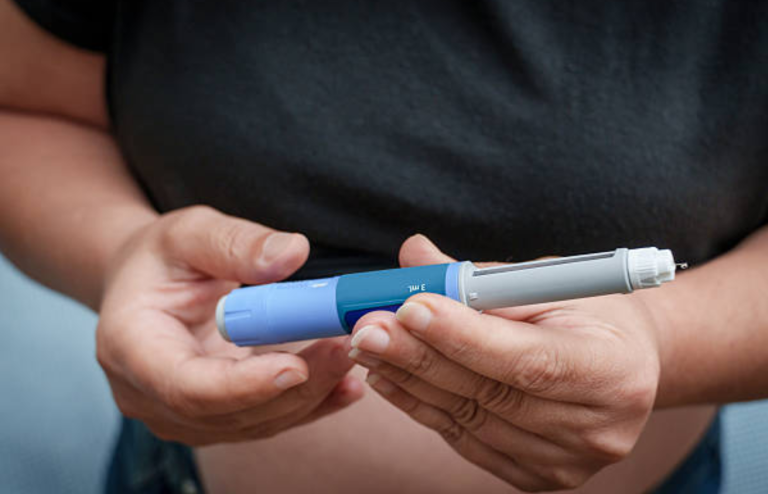
| Route | Swallowed a tablet once daily | Subcutaneous injection once daily or weekly |
| US Indications | Type 2 diabetes A1C control | Type 2 diabetes and, for some, chronic weight management |
| Timing Rules | Strict fasting conditions and a 30-minute wait before intake | Can usually be taken without regard to meals |
| Dosing Schedule | Daily, with stepwise titration from 3 to 14 mg | Daily or weekly, dose and product dependent |
| Common Side Effects | Nausea, vomiting, diarrhoea, constipation, abdominal discomfort | Similar GI effects, sometimes more pronounced at high doses |
| Who May Prefer It | People who strongly dislike injections and can follow strict dosing rules | People who want less frequent dosing or stronger weight loss options |
Practical Tips for Daily Success
These habits can help you stay on track with a GLP-1 pill:
- Keep the tablets in the original blister pack until just before use.
- Set a morning alarm or phone reminder for the same time each day.
- Place the blister pack and a glass near your bed to simplify dosing.
- Track your blood sugar, weight, and side effects in a simple log.
- Call your healthcare team if side effects are severe, persistent, or worrying.
Never stop or restart the medicine without checking with your prescriber, especially if you have other chronic conditions or take multiple drugs.
Conclusion
GLP-1 pills offer a practical, non-injectable option for people with type 2 diabetes who can follow strict morning dosing rules. Research trials show meaningful improvements in blood sugar and moderate weight loss, with gastrointestinal side effects that often improve over time.
Only oral semaglutide is available as a GLP-1 pill in the US today, but research suggests more potent and flexible oral GLP-1 and multi-agonist pills may arrive in the future. Work closely with your healthcare professional to decide if a GLP-1 pill fits your medical history, lifestyle, and treatment goals, and always follow dosing instructions carefully.