Wegovy Pills vs Injections: Which Is Better?

GLP-1 pills and injections both work for weight loss and blood sugar control, but they suit different people and lifestyles. Injections are usually more powerful for weight loss, while pills offer a needle-free, more familiar option if you can handle stricter dosing rules.
What Are GLP-1 Medications?
GLP-1 medications copy a natural gut hormone that helps control blood sugar and appetite. They slow stomach emptying, reduce hunger, and support the pancreas in releasing insulin when blood sugar rises.
These drugs were first approved for type 2 diabetes and later for obesity and related health problems. Today, they are widely used in the United States for medical weight loss under close medical supervision.
GLP-1 Pills: How They Work and Who They Suit
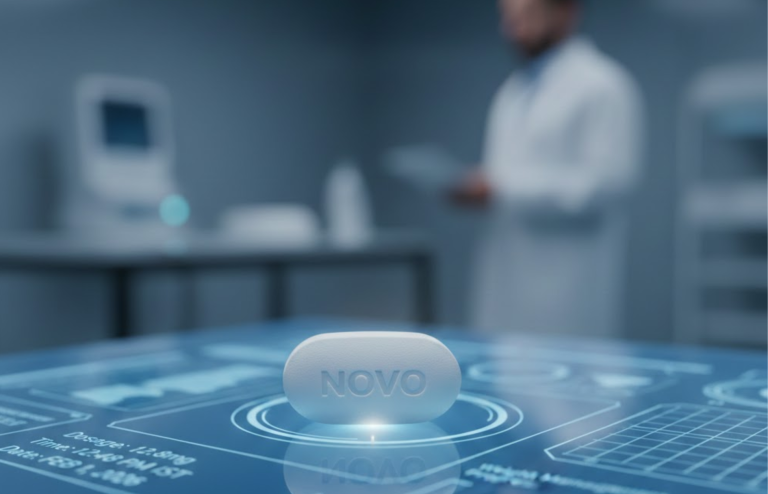
Oral GLP-1 pills, like high‑dose oral semaglutide, are taken once daily and absorbed through the stomach lining. Because digestion interferes with absorption, the dose must be higher than that of injections to reach similar levels in the blood.
You usually take the pill on an empty stomach with a small amount of water and then wait before eating or drinking. Food and timing can affect how well the pill works, so results depend heavily on routine and adherence.
Benefits of GLP-1 Pills
- No needles, which is ideal if you have needle anxiety or dislike injections.
- Easy to pack and carry, with no need for refrigeration in most cases.
- The daily habit can feel similar to other oral medications that many Americans already take.
Limits and Downsides of Pills
Studies suggest that current GLP-1 pills lead to about 10–15% total body weight loss at approved doses when combined with lifestyle changes. In comparison, top‑dose injections often reach 15–20% weight loss for many patients.
Gastrointestinal side effects like nausea, vomiting, and diarrhea still occur and may be more frequent with oral semaglutide in some real‑world data. Because pills are more sensitive to food and timing, missed or incorrect doses can reduce effectiveness.
GLP-1 Injections: How They Work and Who They Suit
Injectable GLP-1 medications are given under the skin, usually once a week with a pre‑filled pen. Because they bypass the digestive system, they are absorbed more consistently and often deliver stronger effects at lower doses.
These injections have a long track record in both diabetes and medical weight loss, with large clinical trials and real‑world evidence. Many obesity and diabetes specialists consider weekly GLP‑1 shots the current “gold standard” for weight loss outcomes.
Benefits of GLP-1 Injections
- Higher average weight loss, often in the 15–20% range with high‑dose injectable programs.
- Weekly dosing supports adherence because you don’t need to remember a daily pill.
- More predictable absorption because food, stomach acid, and timing do not interfere.
Limits and Downsides of Injections
You must be comfortable using a pen device and inserting a small needle into the skin once a week. Some people also experience redness, itching, or mild pain at the injection site.
As with pills, gastrointestinal side effects such as nausea, vomiting, diarrhea, constipation, and abdominal pain are very common, especially during dose escalation. These side effects often improve after the body adjusts, but they can still lead some people to stop treatment.
Side Effects and Safety: Pills vs Injections

Both GLP-1 pills and injections share similar side effects because they act on the same hormone pathway. The most common issues are gastrointestinal, including nausea, vomiting, diarrhea, constipation, bloating, and stomach pain.
Higher doses tend to cause more side effects, regardless of whether the drug is taken as a pill or a shot. In one comparative study of semaglutide, adverse events and treatment discontinuations were more frequent with the oral form than the injectable version.
Serious but less common risks can include pancreatitis and gallbladder disease, so any severe or persistent abdominal pain requires prompt medical evaluation. Your healthcare team will also screen for other risk factors, such as personal or family history of certain thyroid tumors, before starting any GLP‑1.
Practical Differences at a Glance
GLP-1 Pills vs Injections: Key Practical Differences.
| Feature | GLP-1 Pills | GLP-1 Injections |
| How you take it | Daily tablet on an empty stomach with strict timing rules. | Weekly shot under the skin using a pen device. |
| Typical weight loss | Around 10–15% body weight with lifestyle support. | Around 15–20% body weight at higher doses. |
| Absorption | Variable; affected by food, timing, and stomach conditions. | More consistent; bypasses digestion and enters the bloodstream directly. |
| Convenience | No needles; must remember a daily dose and follow rules. | Once weekly; requires comfort with self‑injection. |
| Side effects | GI side effects are common; some data show higher discontinuation rates vs injections. | GI side effects are also common; you may have injection site reactions. |
| Best suited for | People who strongly prefer pills and can follow strict dosing routines. | People seeking maximum weight loss and reliable, once‑weekly dosing. |
How to Decide Which Is Better for You
“Better” depends on what you need most: convenience, comfort, or maximum weight loss and blood sugar control. Injections generally produce greater and more consistent weight loss, making them a strong choice if you can tolerate needles and want the most robust results.
Pills may be a better fit if you have a strong needle phobia or prefer oral medication, and you are committed to following strict morning dosing instructions. However, you should understand that, at currently approved doses, average weight loss is usually a bit lower than with high‑dose injections.
In both cases, GLP‑1 medications work best when combined with nutrition changes, physical activity, good sleep, and ongoing medical follow‑up. Your clinician will also consider insurance coverage, other health conditions, and possible drug interactions when recommending a pill or injection.
Conclusion
GLP-1 pills and injections are both powerful tools in modern weight loss and diabetes care in the United States, but they are not identical. Injections still edge out pills on average weight loss, consistency, and convenience for many patients, thanks to weekly dosing and more reliable absorption.
Pills are a strong alternative for people who value a needle‑free option and can handle the added discipline of daily fasting windows and timing rules. The best choice is the one you can safely stay on long-term, under medical supervision, while also building sustainable lifestyle habits that support your health goals.