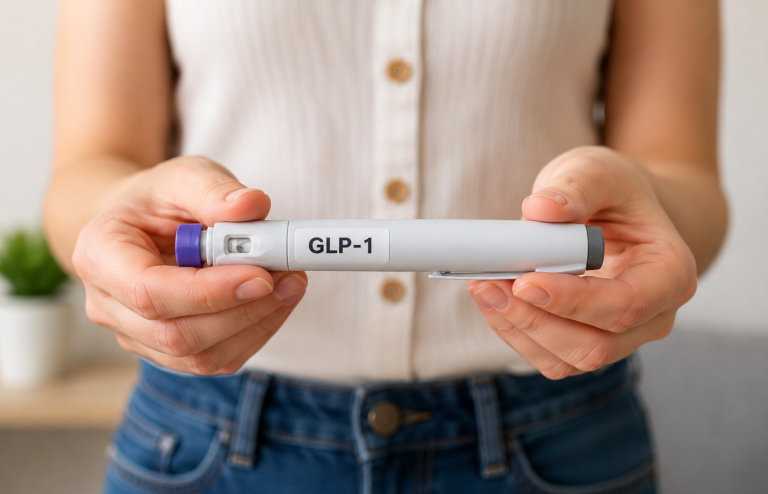
Orforglipron Surges Ahead: Eli Lilly’s Oral GLP-1 Pill Beats Oral Semaglutide in Landmark Diabetes Trial

Eli Lilly has unveiled striking results from a head-to-head clinical trial showing its experimental oral GLP-1 pill, Orforglipron, outperformed oral semaglutide in adults with type 2 diabetes. The findings, first detailed by Scientific American, signal a potential shift in the fast-growing diabetes and obesity drug market.
Researchers designed the late-stage study to directly compare orforglipron with Semaglutide, the active ingredient in several blockbuster treatments. The trial, known as ACHIEVE-3, enrolled nearly 1,700 adults whose blood sugar remained uncontrolled despite metformin therapy. Participants received different doses of either medication and were monitored for 52 weeks.
The results showed a clear advantage for Lilly’s once-daily pill. Patients taking the highest dose of orforglipron achieved an average A1C reduction of about 2.2 percentage points. Those on the highest oral semaglutide dose saw reductions closer to 1.4 points. Investigators reported that both doses of orforglipron met superiority criteria across primary and secondary endpoints.
A1C reflects average blood glucose over roughly three months. Lowering it reduces the risk of complications such as nerve damage, kidney disease, and vision loss. Therefore, even modest differences between treatments can carry long-term clinical significance. In this case, the gap between the two oral drugs drew immediate attention from endocrinologists.
Moreover, the divergence emerged early. Researchers observed meaningful glucose improvements within weeks of starting therapy. Those gains persisted throughout the yearlong study. Consistency over time strengthens confidence in the durability of the response.
Weight loss results further amplified the excitement. Participants on the highest orforglipron dose lost roughly 9 percent of their body weight on average. By contrast, those taking oral semaglutide lost around 5 percent. For many patients with type 2 diabetes, weight reduction improves insulin sensitivity and cardiovascular health.
GLP-1 receptor agonists work by mimicking a natural gut hormone that stimulates insulin release when blood sugar rises. They also slow gastric emptying and reduce appetite. These combined effects explain why the class has transformed both diabetes and obesity treatment. However, until recently, most powerful options required injection.
An effective oral alternative could widen access and acceptance. Many patients hesitate to begin injectable therapy, even when medically indicated. A pill often feels less intimidating and more convenient. That psychological factor can influence adherence and long-term outcomes.
Orforglipron may also hold a practical edge. Unlike some existing oral GLP-1 therapies, it does not require strict fasting conditions before dosing. Patients can take it without elaborate timing around meals and water intake. Simpler instructions may translate into better real-world use.
Still, the trial revealed trade-offs. Gastrointestinal side effects occurred more frequently in the orforglipron groups. Nausea, vomiting, and diarrhea represented the most common complaints. As a result, more participants discontinued orforglipron than semaglutide during the study period.
Such tolerability issues are not unique to this drug. The entire GLP-1 class carries gastrointestinal risks, particularly during dose escalation. Physicians often adjust titration schedules to ease symptoms. Even so, side effects remain a leading cause of discontinuation.
The broader competitive landscape adds context to the findings. Danish drugmaker Novo Nordisk has dominated the GLP-1 market for years with injectable and oral semaglutide products. Lilly already competes strongly in injectables. A superior oral option could intensify that rivalry.
Regulatory review now becomes the next critical step. Lilly has submitted orforglipron to multiple health authorities worldwide. The U.S. Food and Drug Administration is expected to decide first on an obesity indication, followed by type 2 diabetes. Approval would position the drug as one of the first small-molecule, non-peptide oral GLP-1 therapies.
Unlike peptide-based drugs, orforglipron is chemically synthesized and does not require refrigeration. Manufacturing advantages could eventually support broader distribution. Analysts suggest that scalable production may help address ongoing supply constraints seen with some injectable GLP-1 medicines.
Experts caution that long-term data remain essential. Cardiovascular outcomes, durability beyond one year, and real-world adherence will shape final judgment. Nevertheless, the head-to-head superiority result marks a rare achievement in late-stage pharmaceutical trials.
Importantly, stronger competition often accelerates innovation and expands patient choice. As more oral therapies enter development, clinicians may tailor treatment based on efficacy, side effects, cost, and patient preference. Personalized diabetes care continues to evolve.
For millions living with type 2 diabetes, incremental improvements matter. Better glucose control reduces complications. Meaningful weight loss enhances overall health. Convenient dosing supports adherence. When a single pill addresses all three, the impact can be substantial.
Lilly’s data suggest that the next chapter in metabolic medicine may center on potent oral therapies. If regulators agree, orforglipron could redefine expectations for non-injectable GLP-1 drugs. Until then, physicians and patients will watch closely as review processes unfold and additional data emerge.
The race to dominate the oral GLP-1 space has clearly intensified. And with each new dataset, the standard of care edges forward.
Reference
Rosenstock, J., Frias, J. P., Blonde, L., Davies, M. J., Aroda, V. R., & et al. (2026). Oral orforglipron versus oral semaglutide in adults with type 2 diabetes (ACHIEVE-3): A randomized, active-controlled, phase 3 trial. The Lancet. Advance online publication. https://www.thelancet.com/journals/lancet/article/PIIS0140-6736(26)00202-3/abstract