UK Children Targeted by Harmful Weight-Loss and Cosmetic Ads, Report Finds
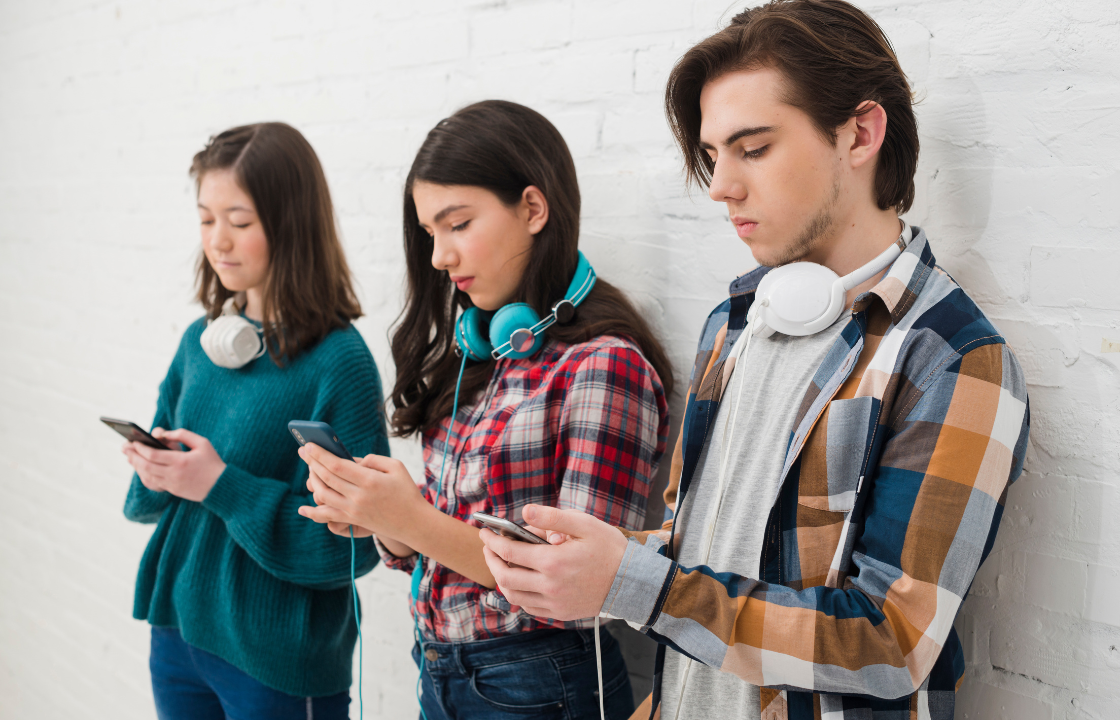
Children across England are being routinely bombarded with online advertisements promoting weight-loss products and appearance-changing treatments, according to Children’s Commissioner Dame Rachel de Souza. Her latest report warns that social media platforms are exposing young users to harmful marketing at an alarming scale. As a result, concerns about children’s mental health and online safety are intensifying.
The report reveals that a significant majority of teenagers regularly encounter adverts that promote weight-loss injections, diet products, cosmetic procedures and skin-lightening treatments. Many of these products are either illegal for under-18s or require prescriptions. Yet despite existing regulations, children continue to see them while scrolling through popular apps and video platforms.
Researchers surveyed thousands of young people aged between 13 and 17. The findings paint a troubling picture. More than three quarters of respondents said appearance-focused adverts made them feel worse about themselves. Many reported feeling pressured to change how they look. Consequently, experts warn that repeated exposure to such messaging damages self-esteem during critical developmental years.
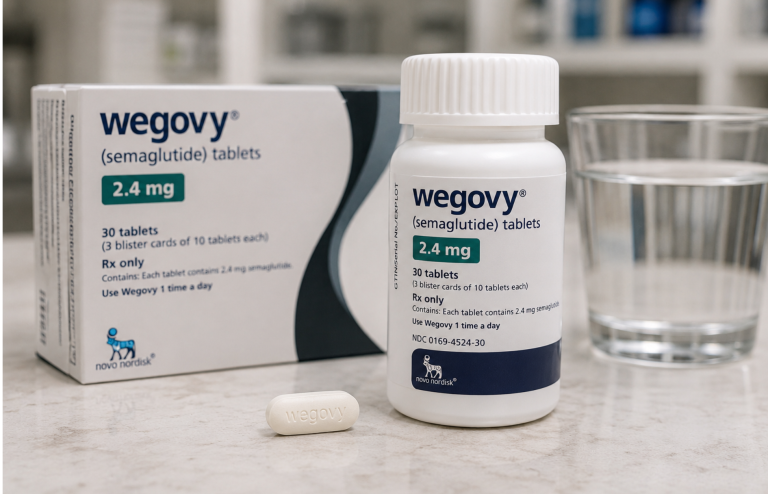
In particular, weight-loss drug advertising appears widespread. A large proportion of teenagers said they had seen promotions for prescription-only injections designed to treat obesity. These medicines cannot legally be advertised to the public. However, influencers, sponsored posts and algorithm-driven feeds often blur the line between personal content and paid promotion. Therefore, children may struggle to recognise what is advertising and what is genuine advice.
Moreover, diet culture messaging continues to dominate online spaces. Many respondents said they frequently saw adverts for slimming teas, appetite suppressants and restrictive meal plans. Such content often promises fast results and dramatic transformations. As a result, young people may develop unrealistic expectations about their bodies.
The report also highlights the prevalence of cosmetic procedure advertising. Treatments such as Botox, dermal fillers and teeth whitening regularly appear in teenagers’ feeds. Although the law prohibits cosmetic fillers for under-18s, digital marketing still reaches them. Girls in particular reported high exposure to these promotions. This imbalance raises further concerns about gendered pressure and body image standards.
Equally worrying is the promotion of skin-lightening products. Some of these products contain harmful or banned ingredients. Nevertheless, children reported seeing them marketed online as beauty solutions. Experts warn that such advertising reinforces damaging messages about race and appearance. Consequently, it risks deepening insecurities among vulnerable young users.
Some children admitted they had purchased or considered purchasing weight-loss pills without fully understanding the risks. Others reported negative side effects after using products bought online. These experiences demonstrate how digital marketing can move from influence to action. Therefore, the issue extends beyond self-esteem and into physical health.
Dame Rachel de Souza argues that childhood should be free from commercial exploitation. Instead, she says many young people grow up in a digital environment that profits from insecurity. She insists that technology companies must take stronger responsibility for what children see. According to her, platforms design algorithms that amplify engaging content, even when that content harms wellbeing.
Although advertising rules exist, enforcement remains inconsistent. Prescription-only medicines cannot legally be promoted to the public. Cosmetic procedures also carry age restrictions. However, advertisers often use indirect tactics. Influencers may share discount codes or referral links. Sponsored content may appear as personal testimony. Consequently, regulatory gaps allow harmful marketing to slip through.
The Commissioner is now calling for reforms to strengthen online protections. She wants clearer duties placed on technology companies to prevent harmful advertising from reaching children. In addition, she urges regulators to update existing codes to address body image and appearance-related content more directly. These measures, she argues, would shift responsibility onto platforms rather than families.
Furthermore, the report recommends tighter age verification systems. Stronger checks could prevent children from accessing restricted products or services. It also calls for improved transparency around sponsored posts. If children can easily identify advertising, they may become more critical consumers.
The broader debate about online safety continues to gather momentum. Lawmakers are already examining how digital platforms shape young lives. However, this report adds urgency to that conversation. It highlights how commercial interests intersect with mental health risks. Therefore, policymakers face increasing pressure to act swiftly.
Parents and educators also play a role. Many experts recommend open conversations about body image and digital literacy. When children understand how algorithms target them, they may feel less influenced. Nevertheless, Dame Rachel stresses that education alone cannot solve the problem. Platforms must design safer systems from the outset.
Ultimately, the report sends a clear message. Children should not navigate a marketplace that constantly critiques their appearance. They should not feel compelled to alter their bodies to meet online ideals. Instead, digital spaces should support healthy development and confidence.
As the government reviews online safety measures, campaigners hope this evidence will drive meaningful reform. Protecting children from harmful weight-loss advertising and cosmetic marketing remains a pressing challenge. Yet with stronger regulation and corporate accountability, change is possible. Until then, millions of young users remain exposed to messages that shape how they see themselves every day.
Reference
De Souza, R. (2026, February 10). A healthy influence? Children’s exposure to appearance-changing products online. Office of the Children’s Commissioner for England. Retrieved from https://www.childrenscommissioner.gov.uk/resource/a-healthy-influence-childrens-exposure-to-appearance-changing-products-online/