The Hidden Health Risk of Popular Weight-Loss Drugs
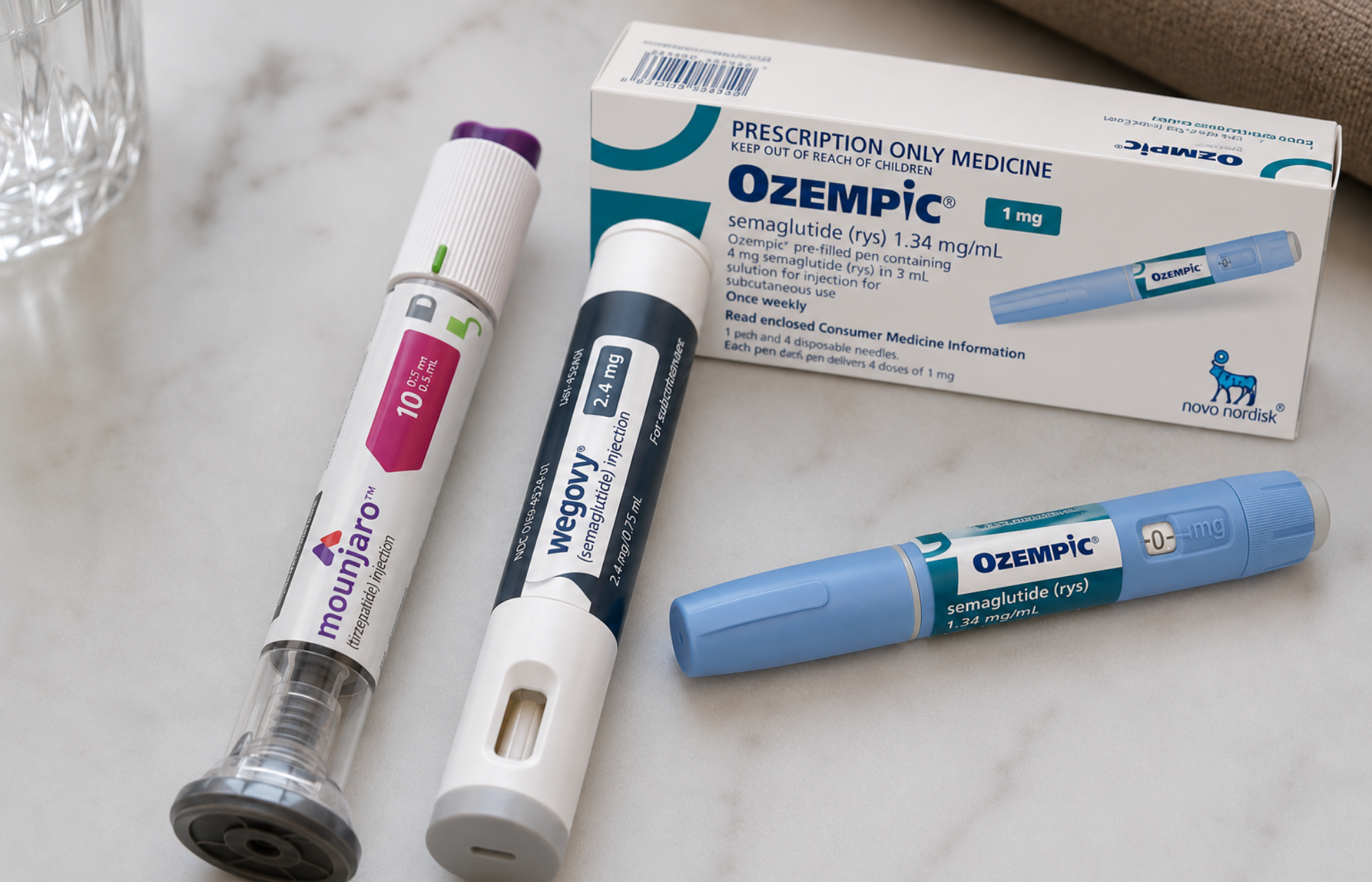
GLP-1 medications like Ozempic, Wegovy, and Mounjaro have completely changed how we treat obesity and diabetes. People using these drugs often drop 15% to 20% of their total body weight, which was almost impossible with older medications. But as more people take them, doctors are noticing a serious side effect that often gets overlooked: severe nutritional deficiencies.
How Weight-Loss Drugs Cause Silent Nutrient Loss
These medications work by slowing down how fast your stomach empties and telling your brain that you are full. Because of this, people end up eating 16% to 39% less food every day. While eating less helps burn body fat, it also means people aren’t getting enough essential vitamins and minerals to keep their bodies running smoothly.
Unlike a typical diet where you choose what to cut back on, these drugs force your appetite down automatically. People often don’t realize they are starving their bodies of critical nutrients until symptoms start showing up. On top of that, drugs like semaglutide actually make it harder for the gut to absorb iron, making nutrient loss even worse.
When your body runs low on key vitamins like B-complex and vitamin D, it directly affects your brain and nerves. Patients often experience brain fog, poor focus, constant fatigue, and trouble sleeping. Unfortunately, many people mistakenly blame the drug itself for these feelings, when the real culprit is a lack of proper nutrition.
How Common Is Malnutrition on These Drugs?
Nutritional deficiencies in people taking GLP-1s are far more common than most realize. A massive study following over 460,000 adults on these medications found that more than 22% nearly 1 in 4 people were diagnosed with a nutritional deficiency within their first year of treatment.
The most common issue was a lack of vitamin D, which hit nearly 14% of patients. Many others ran low on vitamins A, C, and B, as well as essential minerals like calcium and zinc. These shortages trigger visible physical problems like thinning hair, weak muscles, slow wound healing, and extreme exhaustion. They can also cause mood changes like anxiety and depression.
Anemia (low red blood cell count) affected about 4% of patients in the study within 12 months. Because of this, doctors need to run regular blood tests to catch dropping iron and vitamin levels early. Interestingly, patients who saw a dietitian were diagnosed with deficiencies more often not because dietitians cause harm, but because they know how to spot the early warning signs before things get worse.
Why Regular Multivitamins Just Aren’t Enough
Many people assume taking a basic store-bought multivitamin will cover their bases, but that isn’t the case here. Over-the-counter multivitamins are made for people eating a standard 2,000-calorie diet. When you eat far less food, your nutrient needs completely change, and standard pills fall short.
For example, adults need around 1,000 to 1,200 milligrams of calcium every day to keep their bones strong. Most multivitamins only include 200 to 300 milligrams because higher amounts would make the pill too big to swallow.
The gap is just as wide for other key nutrients:
- Vitamin D: Fixing a real deficiency requires 5,000 IU or more daily, but standard vitamins only offer 400 to 800 IU.
- Potassium: Essential for your heart and muscles, potassium is almost completely missing from standard multivitamins.
- Iron: Many basic vitamins skip iron entirely because it interferes with other minerals, even though GLP-1 users need extra iron support.
Building a Better Nutrition Plan
To stay healthy on these medications, patients need a targeted plan built around clear blood work rather than a one-size-fits-all vitamin.
| Health Focus | Daily Goal | Why It Matters |
| Calcium & Vitamin D3 | 1,000+ mg Calcium / 5,000–7,500 IU Vitamin D3 | Protects bone strength during rapid weight loss |
| Protein Intake | ~1.5 grams per kilogram of body weight | Prevents muscle loss while eating fewer calories |
| Omega-3s & Minerals | Targeted doses of Fish Oil, Potassium & Magnesium | Supports brain function, prevents heart flutters and muscle cramps |
Getting enough protein is especially vital. When you lose weight quickly, your body burns both fat and lean muscle mass. Drinking easy-to-digest protein shakes, like whey or collagen peptides, helps protect your muscles without making you feel uncomfortably full.
Why Weight Comes Back When You Stop
These drugs change your stomach’s chemistry, but they don’t automatically change your daily habits. In one major clinical study, patients who stopped taking semaglutide gained back two-thirds of their lost weight within just one year.
Unhealthy habits like eating when stressed, sleeping poorly, or grabbing quick comfort foods usually return once the medication leaves your system. That is why long-term success requires behavioral therapy and lifestyle adjustments alongside the prescription. The drug works best as a tool to help you build healthy routines, not as a permanent shortcut.
The Importance of Professional Guidance
Because eating less carries hidden health risks, working with a registered dietitian or nutritionist is becoming a crucial part of weight-loss care. Dietitians help spot subtle nutrient shortages early and build custom meal plans that fit your appetite and test results.
Before starting a GLP-1 medication, patients should get baseline blood tests for vitamin D, iron, and basic metabolic health, followed by repeat checks every 3 to 6 months. Slowly raising your medication dose over time also gives your stomach a chance to adapt, making it easier to eat a balanced, nutrient-rich diet. Pairing proper medical supervision with personalized nutrition ensures that losing weight leads to real, lasting health.
References
- Butsch, W. S., Sulo, S., Chang, A. T., Kim, J. A., Kerr, K. W., Williams, D. R., Hegazi, R., Panchalingam, T., Goates, S., & Heymsfield, S. B. (2025). Nutritional deficiencies and muscle loss in adults with type 2 diabetes using GLP-1 receptor agonists: A retrospective observational study. Obesity Pillars. https://doi.org/10.1016/j.obpill.2025.100186
- Mozaffarian, D., Aspry, K. E., Garfield, K., Kris-Etherton, P., Seligman, H., Velarde, G. P., Williams, K., & Yang, E. (2025). Nutritional priorities to support GLP-1 therapy for obesity: A joint advisory from the American College of Lifestyle Medicine, the American Society for Nutrition, the Obesity Medicine Association, and the Obesity Society. American Journal of Clinical Nutrition. https://doi.org/10.1016/j.ajcnut.2025.06.021
- Wilding, J. P. H., Batterham, R. L., Davies, M., Van Gaal, L. F., Kandler, K., Konakli, K., Lingvay, I., McGowan, B. M., Oral, T. K., Rosenstock, J., Wadden, T. A., Wharton, S., Yokote, K., & Kushner, R. F. (2022). Weight regain and cardiometabolic effects after withdrawal of semaglutide: The STEP 1 trial extension. Diabetes, Obesity and Metabolism, 24(8), 1553–1564. https://doi.org/10.1111/dom.14725