GLP-1 Medications vs. Traditional Dieting: How They Actually Work

Obesity is a major health challenge, and doctors are constantly comparing medication options against standard lifestyle changes. New weight-loss shots like Ozempic, Wegovy, and Mounjaro have completely changed how we approach body weight. In contrast, standard diets still depend on calorie counting and pure willpower. Looking closely at how our bodies react to both methods makes it much easier to see why their long-term results are so different.
Weight control is a complex balancing act involving hunger signals, energy burn, and blood sugar levels. When you try to lose weight through traditional dieting alone, your body often fights back with biological defenses that make it hard to stick with the plan. GLP-1 medications work differently by tapping directly into the natural system your body already uses to handle hunger and fullness. Understanding these inner workings helps explain why people often experience vastly different outcomes with each approach.
Health oversight agencies have formally cleared several GLP-1 medications specifically for managing body weight. These official approvals came after large clinical trials proved that the treatments really work. Even so, finding the right approach for each individual patient is still key to getting good results while keeping safety risks low.
How the GLP-1 Pathway Works
Controlling Appetite and Feeling Full
GLP-1 is a natural hormone your gut releases right after you eat. It travels up to the brain to talk to the area that controls hunger and energy balance. Once there, it turns down hunger signals so you feel full much earlier in your meal. As a result, people end up eating fewer overall calories without having to constantly force themselves.
The hormone also tones down the brain’s reward centers linked to eating. Lowering activity in these areas quietens intense cravings for sugary or high-fat foods. On top of that, GLP-1 slows down how fast food leaves your stomach, which keeps you feeling satisfied for longer stretches. Together, these combined effects make GLP-1 appetite control feel very different from trying to white-knuckle your way through a regular diet.
Digestion and Blood Sugar Control
By slowing down stomach emptying, GLP-1 helps control how quickly nutrients pass into your system. This gentle delay prevents sudden spikes in hunger throughout the day. At the same time, it prompts your pancreas to release insulin right when your blood sugar starts to rise. That means your overall glucose levels stay far more stable after meals.
Steady blood sugar helps head off sudden energy crashes, which are a major trigger for sudden binge eating. People managing high blood sugar get a huge extra benefit from this steadying effect. In fact, this steady blood sugar control is one of the clearest physical advantages GLP-1 treatments offer. Tackling both appetite and blood sugar at the same time gives GLP-1 medications a massive edge over simple diet plans.
What Happens During Regular Calorie Cutting
The Body’s Hunger Response
Cutting back on calories causes your body to launch a predictable defense system. Ghrelin, the main hormone that makes you feel hungry, shoots up when you diet for a while. At the same time, leptin, the hormone that tells your brain you are full, drops as you lose body fat. This natural hormonal shift makes you feel hungrier and hungrier, making it tough to stay on track over time.
Our bodies developed these responses back when food was scarce to protect us from starving to death. Because of this built-in instinct, your brain views a calorie shortage as a direct threat to your survival. Instead of fading away, your hunger cues get stronger as time goes on. This intense physical resistance is the main reason why so many people struggle to stay on strict diets long term.
Slowing Down Your Metabolism
Beyond raising hunger levels, cutting calories for long periods causes your body to burn energy at a slower pace. Often called “starvation mode,” this natural shift drops your baseline metabolic rate well below normal. When this happens, weight loss usually stalls out even if you are still eating very little food. How much your metabolism slows down varies from person to person based on genetics and body chemistry.
When you cut calories aggressively, you often lose muscle mass right alongside fat. Losing muscle slows your metabolic engine down even more, compounding the problem. That is why traditional diet plans always need to include strength training to preserve lean muscle tissue. Without exercises to protect muscle, your slowed metabolism makes it very easy to regain all the weight once the diet ends.
GLP-1 Weight Loss Medications
Real-World Effects on Weight Loss
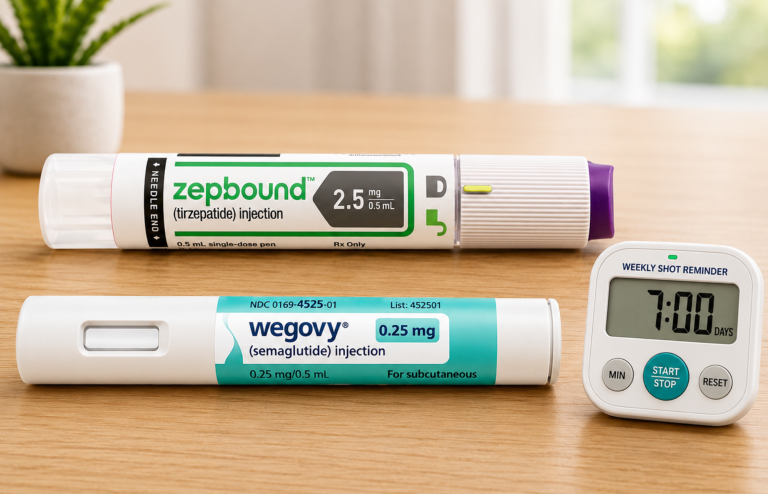
Modern medications like semaglutide and tirzepatide mimic and extend the work of your natural GLP-1 hormones. Semaglutide is sold under the brand names Ozempic (for diabetes) and Wegovy (specifically for weight loss). Tirzepatide, known as Mounjaro, works on two different metabolic pathways at once to boost these effects even further. Large medical studies show that people using these weekly treatments experience impressive weight loss.
Unlike your body’s natural hormones, which fade quickly, these medications keep working steadily around the clock. That ongoing activity keeps your appetite consistently lower throughout the entire day. Research also shows that most of the weight people lose on these medications comes from fat rather than muscle. Keeping hold of your muscle mass is a major advantage over unsupported calorie cutting.
Extra Benefits for Metabolic Health
Researchers originally created GLP-1 drugs to treat type 2 diabetes long before they started using them for weight loss. The medications boost insulin sensitivity and help your body process sugar much better. As patients lose extra weight, their overall insulin response improves even more. Because of these double benefits, doctors frequently recommend GLP-1 treatments for patients dealing with both high blood sugar and excess weight.
The Challenge of Keeping Weight Off
Weight regain is a major hurdle whether you use traditional diets or modern medications. After you finish a calorie-restricted diet, those natural metabolic adjustments stick around in your body for a long time. That means even after you reach a goal weight, your brain keeps sending strong hunger signals. Facing that constant physical urge to eat is why so many people end up slipping back into old weight patterns.
Stopping GLP-1 medications causes a similar outcome your normal appetite comes back, and you regain lost weight. Clinical studies show that regular hunger levels return within just a few months of stopping the shots. That is why long-term success requires managing the underlying biology rather than searching for a quick fix. To keep weight off permanently, patients often need ongoing treatment or structured support plans.
Comparing the Metabolic Outcomes
Traditional dieting and GLP-1 medications lead to very different metabolic outcomes in several key areas:
- Hunger: Cutting calories makes you feel hungrier, while GLP-1 medications directly quiet down those appetite signals in the brain.
- Metabolism: Standard diets slow down your daily calorie burn, whereas GLP-1 therapy keeps your metabolic rate much more stable.
- Blood Sugar: GLP-1 drugs provide far superior blood sugar balance, especially for anyone struggling with insulin resistance.
- Body Composition: Plain dieting often burns through fat and muscle equally. GLP-1 treatment especially when combined with regular exercise helps protect muscle so you lose mostly fat.
- Cardiovascular Markers: Studies show that GLP-1 drugs can help lower blood pressure and reduce internal inflammation. Diets can deliver those same benefits, but only if you stick with them consistently over time.
- Mental Energy: People on regular diets often feel constantly worn down by food cravings. GLP-1 medications silence that background “food noise,” freeing up mental space and making long-term habits much easier to maintain.
Important Considerations and Drawbacks
GLP-1 medications are not a magic bullet, and they come with real limitations that doctors have to evaluate carefully:
- Side Effects: Digestive issues like nausea, stomach pain, and constipation are common, especially when starting out or raising doses.
- Cost & Availability: Without good health insurance coverage, monthly out-of-pocket costs can be steep.
- Health Checks: People with a family history of specific conditions, like thyroid tumors or pancreatitis, need thorough health screenings before starting treatment.
- Lifestyle Basics: Basic healthy habits still matter immensely. Working with a nutritionist, staying active, and building healthy daily routines are vital for overall health. The medications work best when used as a helpful tool alongside these healthy habits, not as a complete replacement for them.
Conclusion
The way GLP-1 medications work in the body is fundamentally different from traditional dieting. GLP-1 drugs work directly on your body’s natural signaling systems to manage hunger, balance blood sugar, and make you feel full. Traditional dieting, on the other hand, forces you to rely on sheer willpower while fighting against your body’s survival instincts. This core biological difference explains why clinical results vary so much between the two options.
Choosing the right path comes down to your personal health history, daily budget, and long-term goals. Combining healthy lifestyle changes with medical treatments usually gives people the best chance at lasting success. As medical research keeps advancing, these innovative treatments give us a powerful new way to support long-term health and wellness.
References
Drucker, D. J. (2018). Mechanisms of action and therapeutic application of glucagon-like peptide-1. Cell Metabolism, 27(4), 740-756. https://doi.org/10.1016/j.cmet.2018.03.001
Jastreboff, A. M., Aronne, L. J., Ahmad, N. N., Wharton, S., Connery, L., Alves, B., Kiyosue, A., Zhang, S., Liu, B., Bunck, M. C., & Stefanski, A. (2022). Tirzepatide once weekly for the treatment of obesity. New England Journal of Medicine, 387(3), 205-216. https://doi.org/10.1056/NEJMoa2206038
National Institute of Diabetes and Digestive and Kidney Diseases. (2023). Diabetes medicines. National Institutes of Health.
Wilding, J. P. H., Batterham, R. L., Calanna, S., Davies, M., Van Gaal, L. F., Lingvay, I., McGowan, B. M., Rosenstock, J., Tran, M. T. D., Wadden, T. A., Wharton, S., Yokote, K., Zeuthen, N., & Kushner, R. F. (2021). Once-weekly semaglutide in adults with overweight or obesity. New England Journal of Medicine, 384(11), 989-1002. https://doi.org/10.1056/NEJMoa2032183