Oura and LillyDirect Partner to Enhance Support for GLP-1 Therapy Users
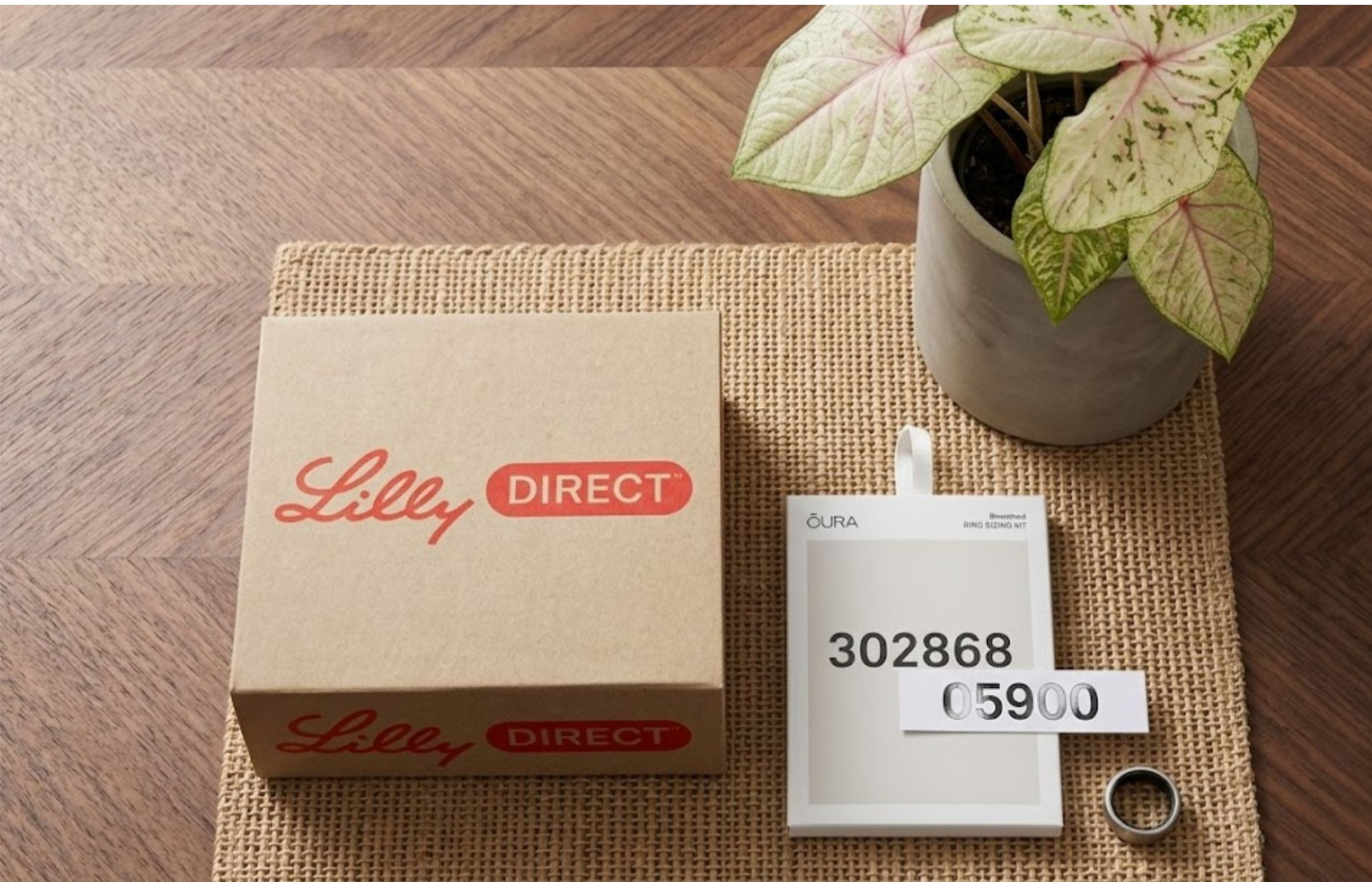
Oura and LillyDirect recently announced a strategic collaboration. This partnership supports patients utilizing GLP-1 therapies. Furthermore, LillyDirect customers receive a complimentary Oura Ring sizing kit. The agreement excludes all sharing of personal health data.
LillyDirect connects individuals to medications and independent healthcare providers. The platform integrates with major electronic health record systems. Consequently, Lilly extends its support model into daily behavioral management. This approach enhances the patient experience beyond the initial prescription.
Oura reports that many members manage weight-related health goals. Many users already track GLP-1 therapy use within the application. Experts project significant growth for digital support tools by 2030. Thus, integrated health technology serves an expanding patient population.
The Oura Ring tracks over 50 biometric signals daily. It monitors sleep quality, physical activity, and cardiovascular indicators. Recently, the company launched a dedicated in-app experience for GLP-1 users. Accordingly, users gain a comprehensive view of their health progress.
The Chief Medical Officer at Oura emphasized the clinical rationale. He noted that daily habits influence long-term therapy outcomes. Therefore, the platform supports broad measures of patient well-being. This focus targets functional improvements alongside weight-related metrics.
Lilly leadership described this initiative as a comprehensive care journey. Building on this, the collaboration constructs a patient-centered ecosystem. The partnership represents a convergence of pharmaceutical and digital health sectors. Hence, it supports approved treatment regimens through technology.
Digital health tools facilitate continuous monitoring for chronic conditions. They allow providers to view data trends between clinical visits. Moreover, patients feel more engaged with their daily health journey. These tools bridge the gap between medication and lifestyle.
Data-driven insights empower patients to modify their daily routines. Increased awareness often promotes sustainable habits over extended periods. Accordingly, technology providers prioritize user education to maximize these benefits. Consistent engagement remains vital for achieving lasting health success.
GLP-1 receptor agonists carry Food and Drug Administration approval. These agents regulate appetite and glucose metabolism effectively. Nevertheless, clinical guidelines suggest that pharmacotherapy requires concurrent lifestyle support. Behavioral changes often produce superior long-term outcomes for patients.
The Oura Ring remains a consumer wellness device. It holds no Food and Drug Administration clearance for medical diagnosis. Consequently, it does not monitor specific medical conditions. It serves only as a tool for behavioral awareness.
These advancements signify a transformation in chronic disease management. Industry leaders continue to innovate regarding digital health integration. Ultimately, the goal remains better outcomes through holistic support. This collaboration represents an initial step toward that objective.
Modern healthcare systems prioritize patient autonomy and digital connectivity. Organizations now seek versatile solutions to manage complex metabolic conditions. Meanwhile, consumers demand greater access to personal health metrics. The intersection of medicine and technology facilitates these requirements.
This partnership reflects a shift toward digitally integrated care. Nevertheless, it raises questions regarding data governance and privacy. The agreement explicitly prevents data sharing to address these concerns. Accordingly, regulatory frameworks for these collaborations continue to evolve.