Ozempic Face: Separating Clinical Reality From Social Media Myth

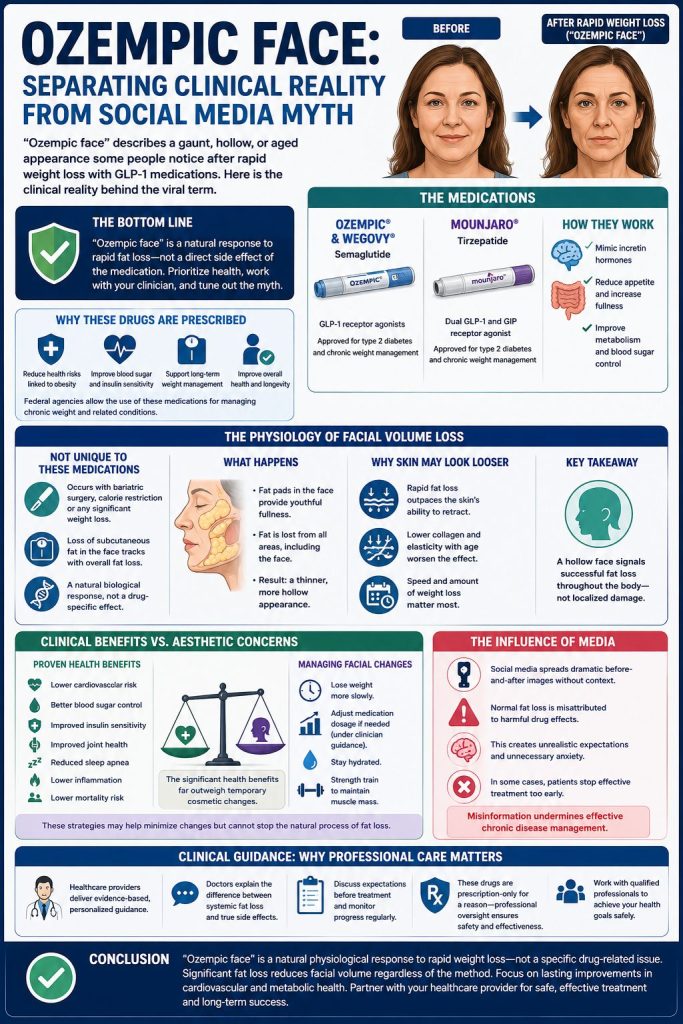
Rapid weight loss linked to GLP-1 receptor agonists has led to the term “Ozempic face.” This refers to a gaunt, hollow, or aged appearance that some people experience after losing a significant amount of weight. Clinicians often receive questions about whether this is a real side effect of the medication. Understanding the underlying physiology helps clarify this point.
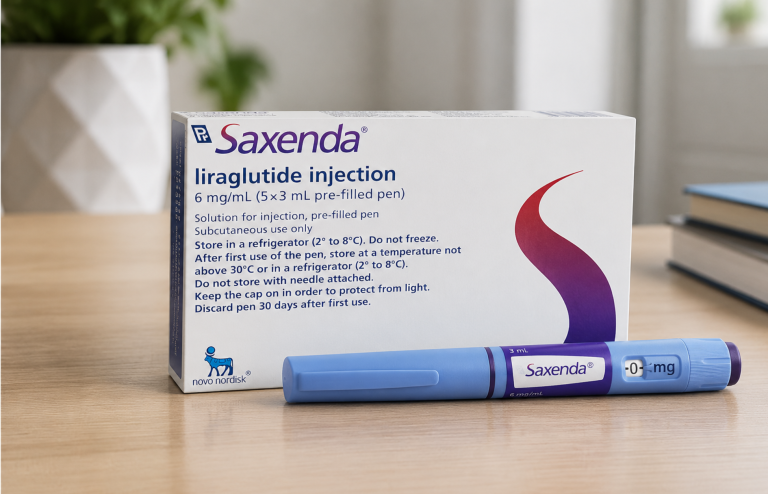
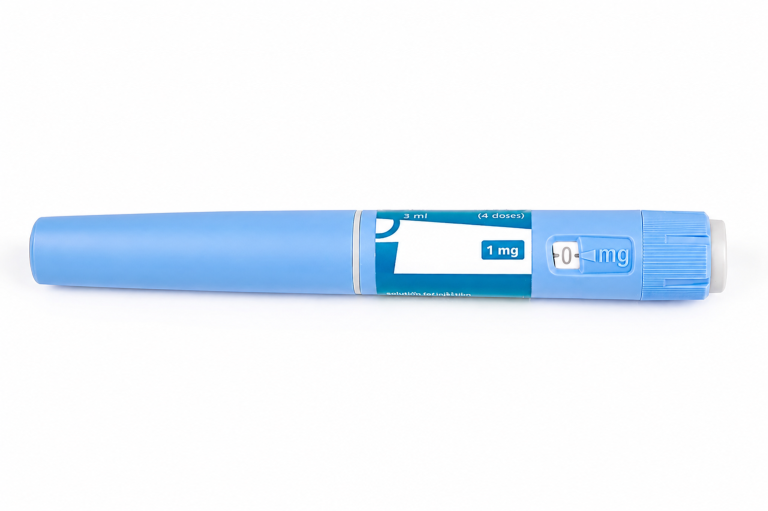
Ozempic and Wegovy, which both contain semaglutide, are GLP-1 receptor agonists. They mimic incretin hormones that control appetite and fullness. Mounjaro, containing tirzepatide, acts as a dual GLP-1 and GIP receptor agonist. These medications are approved for treating type 2 diabetes and managing chronic weight.
Federal agencies also allow the use of these drugs for managing chronic weight. Doctors prescribe them to reduce health risks linked to obesity. The resulting changes in metabolism affect how fat is distributed throughout the body. Thus, the changes in appearance are a direct result of a decrease in calories.
The Physiology of Facial Volume Loss
Facial volume loss after significant weight reduction is not exclusive to these medications. The loss of subcutaneous fat in the face tracks closely with overall fat loss. This biological process occurs regardless of how weight loss is achieved. Therefore, this facial change is a natural adjustment.
For example, people who undergo bariatric surgery commonly see similar changes in their facial contours. Patients who lose weight through traditional calorie restriction also show these effects. This consistent pattern suggests that the amount and speed of weight loss determine the cosmetic result. Thus, no specific drug mechanism is responsible for this facial thinning.
Skin elasticity is crucial to how noticeable these changes become. As subcutaneous fat decreases quickly, skin doesn’t have enough time to retract fully. The skin cannot adjust rapidly to the loss of support underneath. Additionally, the structure of the skin impacts how severe the sagging looks.
This issue is more evident in older adults. Aging skin already has lower collagen density and less natural elasticity. Consequently, the skin struggles to keep up with rapid volume loss. Thus, the facial changes seen with GLP-1 therapy represent a typical physiological response.
To illustrate, consider how human fat functions normally. The face has several shallow and deep fat pads that give it a youthful shape. When the body loses fat, it draws lipids from all stored sources. Thus, a hollow face indicates successful fat loss throughout the body rather than localized damage.
Clinical Benefits Versus Aesthetic Concerns
The health benefits of GLP-1 receptor agonist therapy greatly outweigh cosmetic issues. Long-term weight loss is strongly linked to lower cardiovascular risks. Patients also achieve significantly better blood sugar control and improved insulin sensitivity. These medical benefits lead to lower mortality rates among high-risk patients.
Additionally, managing weight reduces the chances of serious weight-related health problems. Patients see improvements in joint health, reduced severity of sleep apnea, and lower systemic inflammation. These significant physiological benefits improve overall health and function. Given this, aesthetic side effects are a minor trade-off for better health and longevity.
Treatment choices should balance these proven clinical outcomes with any aesthetic worries. Healthcare providers should guide these decisions through personalized consultations. Doctors need to stress metabolic health as the main goal of therapy. Therefore, objective medical standards should take precedence over personal appearance preferences.
However, some practical strategies can help reduce visible facial changes during treatment. A slower weight loss pace gives skin time to adjust. Doctors can modify medication dosages to create a steady, controlled weight loss. This gradual approach helps maintain a more natural facial appearance.
In addition, healthy lifestyle changes can support tissue health during treatment. Staying well-hydrated and engaging in targeted resistance training help maintain muscle mass. These habits may further protect facial volume and tone during therapy. Still, these measures don’t stop the underlying physiological process that drives fat loss.
The Influence of Media and Clinical Guidance
Social media has heightened public concern about this issue through sensational images. Many online posts show striking before-and-after pictures without necessary clinical context. These dramatic visuals often misattribute normal fat loss to harmful drug effects. This leads to rapidly spreading misconceptions about these essential therapies.
Research shows that this media portrayal negatively affects patient behavior. Such superficial content shapes how people view treatments and creates unrealistic aesthetic expectations. In some cases, this anxiety causes patients to stop necessary medical treatments early. Thus, misinformation in the media undermines effective chronic disease management.
Healthcare providers have a responsibility to give accurate, evidence-based advice. Doctors should explain the difference between systemic fat loss and side effects of the drugs. This communication must happen both before treatment starts and during follow-up appointments. Clear guidance can help alleviate unnecessary patient anxiety about changes in their appearance.
Furthermore, the prescription-only status of these medications highlights the need for professional oversight. Patient care must include thorough medical monitoring to ensure safe dosing and management. Qualified professionals should oversee the treatment process to prevent misuse. Ultimately, structured medical guidance is the safest route to achieving health goals.
Conclusion
The term “Ozempic face” describes a natural physiological reaction to rapid weight loss rather than a specific drug-related issue. Clinical data show that significant fat loss leads to reduced facial volume no matter how the weight reduction occurs. Given this, patients should focus on improving cardiovascular and metabolic health rather than worrying about temporary cosmetic changes. Working closely with healthcare providers helps ensure a safe transition through these changes while reaching health goals.