Complete Ozempic Dosage Guide: Safe Dosing, Schedule, and Tips for Best Results
Semaglutide functions as a glucagon-like peptide-1 receptor agonist. Federal regulators approved this medication for glycemic control in adults. Clinical data also confirm significant weight reduction in many patients. Therefore, precise dosage knowledge remains a vital clinical requirement.
This medication mimics natural incretin hormones within the body. It activates receptors in the pancreas and gastrointestinal tract. This process stimulates insulin secretion and suppresses glucagon release. Moreover, it slows gastric emptying to reduce appetite signaling.
The drug maintains a long half-life of 165 hours. This allows for a convenient once-weekly subcutaneous injection. Steady state concentrations require at least five weeks of use. Given this, clinicians must follow a graduated escalation protocol.
Approved Dosage Schedule and Escalation Protocol
The standard initiation dose is 0.25 mg weekly. Patients must maintain this level for four weeks. This phase establishes tolerability rather than glycemic efficacy. Accordingly, rapid escalation increases the risk of gastrointestinal distress.
Prescribers advance the dose to 0.5 mg after one month. This level serves as the first effective therapeutic tier. Research shows significant reductions in blood glucose at this stage. Nevertheless, some patients may require higher doses for targets.
Clinicians may increase the dose to 1.0 mg weekly. This level serves as the standard maintenance dose. Some patients might require a 2.0 mg weekly dose. Building on this, each step requires four weeks of adaptation.
Administration Technique and Injection Site Guidance
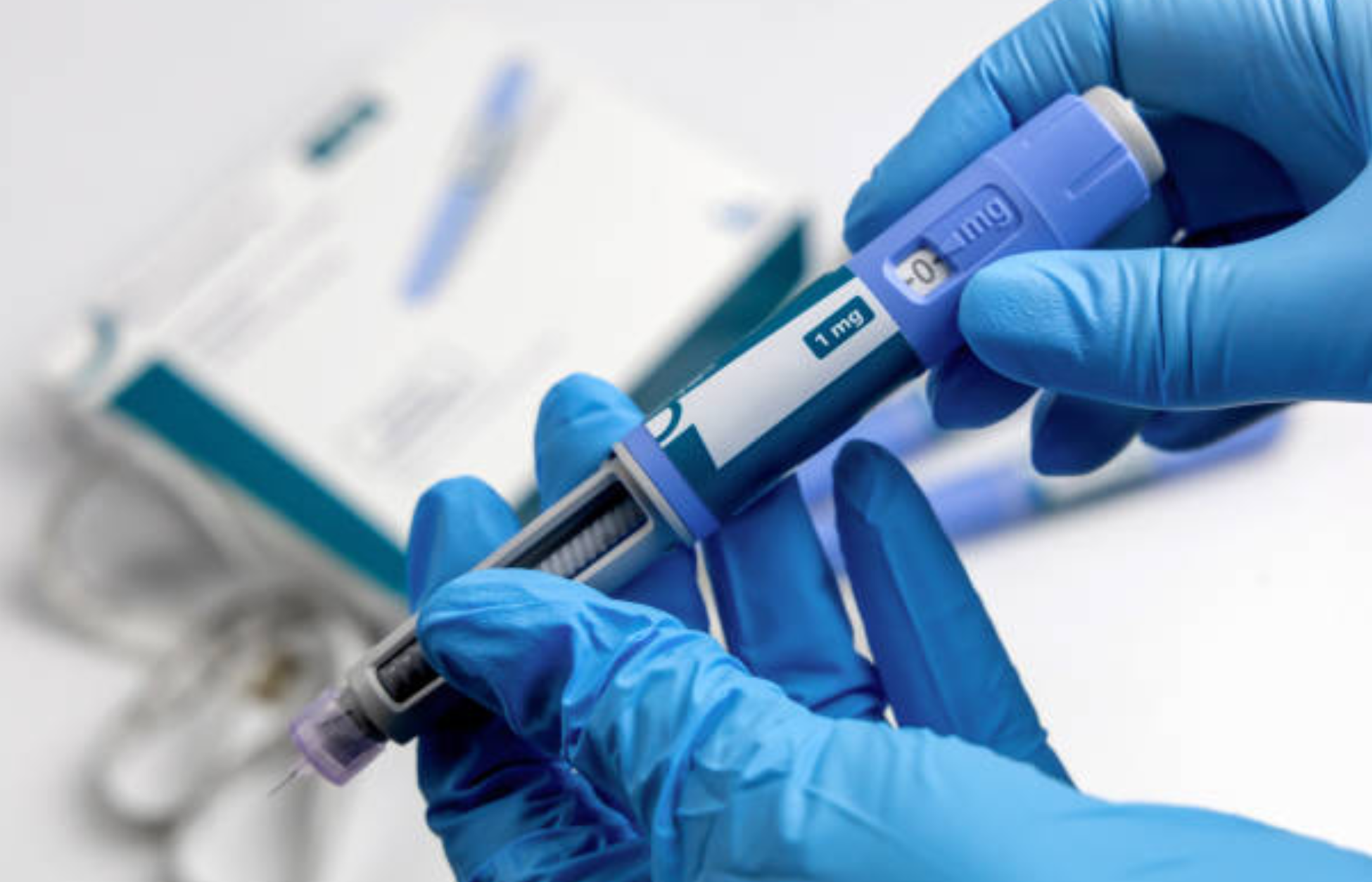
The medication comes in various pre-filled pen devices. Users inject the liquid into the abdomen or thigh. Rotating injection sites prevents local tissue reactions or nodules. Along with this, consistent weekly timing supports stable exposure.
| Dosage Phase | Weekly Amount | Duration | Primary Purpose |
| Initiation | 0.25 mg | 4 Weeks | Patient Tolerability |
| Therapeutic | 0.5 mg | 4 Weeks | Glycemic Control |
| Maintenance | 1.0 mg | Ongoing | Sustained Reduction |
| Maximum | 2.0 mg | Ongoing | Additional Efficacy |
Proper technique requires attaching a new needle for each use. Patients must never share pens due to contamination risks. Storage requires refrigeration before the first use of the pen. In light of this, pens remain stable at room temperature.
The delivery system utilizes a sophisticated multi-dose injection pen. Patients must confirm the dose window before every injection. Clear visual instructions help prevent dosing errors during home administration. Therefore, thorough patient training significantly improves long term compliance and safety.
Effective administration relies on proper preparation of the skin. Clean the site with alcohol before inserting the needle. Firm pressure ensures the medication reaches the subcutaneous tissue. Consequently, following these steps reduces the likelihood of local irritation.
Dosage Considerations in Type 2 Diabetes Management
Ozempic targets hemoglobin A1c reduction as its primary goal. Extensive clinical trials establish its efficacy across diverse groups. One study reported reductions of 1.4 percent at higher doses. These results position the drug as a powerful tool.
Many clinicians use this drug alongside other common medications. Combining it with insulin may require specific dose adjustments. Prescribers must evaluate the entire regimen to avoid hypoglycemia. Thus, individualized planning remains essential for patient safety.
Modern management strategies prioritize early intervention with these agents. Clinical guidelines recommend intensifying therapy when targets remain unmet. Clinicians often observe better outcomes with proactive dose titration. As a result, regular monitoring of glucose levels guides clinical decisions.
Metabolic health improves through consistent activation of the GLP-1 pathway. This sustained hormonal support stabilizes daily blood sugar fluctuations. Long-term studies indicate durable efficacy over several years of use. Hence, patients experience more predictable glycemic control with regular therapy.
Weight Management Context and Distinction from Wegovy and Mounjaro
Clinicians often compare this drug to other weight loss agents. One related product uses higher doses for chronic obesity. Another medication targets two different receptors for metabolic control. These products fall under distinct regulatory categories for use.
This specific medication is only indicated for diabetes management. Weight loss remains a secondary outcome of the treatment. Prescribers must document correct indications for every patient. In view of this, clinicians must track evolving federal guidance.
Regulatory bodies maintain strict definitions for these distinct pharmacological agents. Proper documentation ensures that patients receive the appropriate medication version. Misunderstanding these differences can lead to insurance coverage issues. Accordingly, clear communication between providers and patients prevents clinical confusion.
Secondary metabolic benefits often include improved lipid profiles and blood pressure. These improvements support overall cardiovascular health in diabetic populations. Patients frequently report increased satiety and reduced cravings during treatment. Nevertheless, clinicians should focus primary counseling on glycemic control objectives.
Contraindications, Precautions, and Special Populations
This drug is contraindicated for patients with specific thyroid histories. It carries risks for Multiple Endocrine Neoplasia syndrome type 2. These restrictions stem from studies involving thyroid C-cell tumors. Consequently, providers must collect thorough family medical histories.
Patients with past pancreatitis require a careful risk evaluation. Monitoring renal function is advisable during the escalation phase. Some trials reported complications involving diabetic retinopathy as well. Thus, regular eye exams warrant consideration during the treatment.
Hypersensitivity reactions represent a rare but serious clinical concern. Clinicians must identify signs of anaphylaxis or severe skin rashes. Prompt discontinuation is necessary if a patient experiences these reactions. Therefore, patient education must include recognizing emergency symptoms immediately.
Gallbladder disease presents another potential risk for treated individuals. Rapid weight loss sometimes triggers the formation of gallstones. Prescribers should monitor for upper abdominal pain or jaundice. In light of this, baseline liver function tests provide useful data.
Dosage in Renal Impairment
No formal dose adjustments exist for mild renal impairment. However, severe nausea can lead to significant fluid loss. This dehydration may worsen existing kidney issues in patients. Meanwhile, clinicians should monitor these patients very closely.
Clinical oversight is critical when treating patients with advanced disease. Frequent laboratory testing helps track changes in glomerular filtration rates. Dose escalation should proceed with extreme caution in these cases. Thus, maintaining hydration becomes a primary goal for renal safety.
Managing Adverse Effects Through Dosage Strategy
Gastrointestinal issues represent the most common side effects reported. Nausea and constipation occur frequently during the initial weeks. The graduated schedule allows the body to adapt slowly. Moreover, clinicians may pause escalation to improve patient comfort.
Patients should take missed doses within five days. If more time passes, they must skip that dose. Doubling a dose to compensate is never recommended. Notably, consistent timing supports the best possible clinical results.
Small, frequent meals often help manage mild nausea symptoms. Reducing fat intake can also minimize gastrointestinal discomfort for patients. Many individuals find that symptoms diminish after several weeks of use. Given this, lifestyle adjustments complement the pharmacological titration strategy.
Conclusion
This medication provides clear glycemic benefits for diabetes patients. The four-step escalation protocol reflects solid pharmacokinetic evidence. Understanding different regulatory approvals helps clinicians make better choices. Furthermore, monitoring renal status ensures long-term safety for users.
The evidence for these agonists continues to grow globally. Future developments might expand the list of approved uses. Clinicians benefit from staying current with all new data. In light of this, the therapeutic landscape remains dynamic.
References
Davies, M., Pieber, T. R., Hartoft-Nielsen, M. L., Hansen, O. K. H., Jabbour, S., & Rosenstock, J. (2017). Effect of oral semaglutide compared with placebo and subcutaneous semaglutide on glycemic control in patients with type 2 diabetes. JAMA, 318(15), 1460–1470.https://doi.org/10.1001/jama.2017.14752
Marso, S. P., Bain, S. C., Consoli, A., Eliaschewitz, F. G., Jódar, E., Leiter, L. A., Lingvay, I., Rosenstock, J., Seufert, J., Warren, M. L., Woo, V., Hansen, O., Holst, A. G., Pettersson, J., & Vilsbøll, T. (2016). Semaglutide and cardiovascular outcomes in patients with type 2 diabetes. New England Journal of Medicine, 375(19), 1834–1844. https://doi.org/10.1056/NEJMoa1607141
U.S. Food and Drug Administration. (2021). Ozempic (semaglutide) injection: Prescribing information. https://www.accessdata.fda.gov/drugsatfda_docs/label/2021/209637s007lbl.pdf
Wilding, J. P. H., Batterham, R. L., Calanna, S., Davies, M., Van Gaal, L. F., Lingvay, I., McGowan, B. M., Rosenstock, J., Tran, M. T. D., Wadden, T. A., Wharton, S., Yokote, K., Zeuthen, N., & Kushner, R. F. (2021). Once-weekly semaglutide in adults with overweight or obesity. New England Journal of Medicine, 384(11), 989–1002. https://doi.org/10.1056/NEJMoa2032183