Saxenda Therapy: Mechanism, Efficacy, and Safety
Recent data from national health statistics shows that obesity affects 40.3% of adults. This situation represents an ongoing public health issue that does not have quick fixes. Most people realize that willpower alone hardly leads to long-term weight loss. Therefore, medications, including glucagon-like peptide-1 receptor agonists, now play a key role in managing obesity.
Saxenda is one of these options in this growing group of treatments. Doctors prescribe this injectable medication for patients who meet certain clinical criteria. Understanding how it works, its approved uses, and its safety helps guide appropriate treatment choices. This analysis looks at the pharmacological background, regulatory status, and risks associated with this therapy.
What is Saxenda?
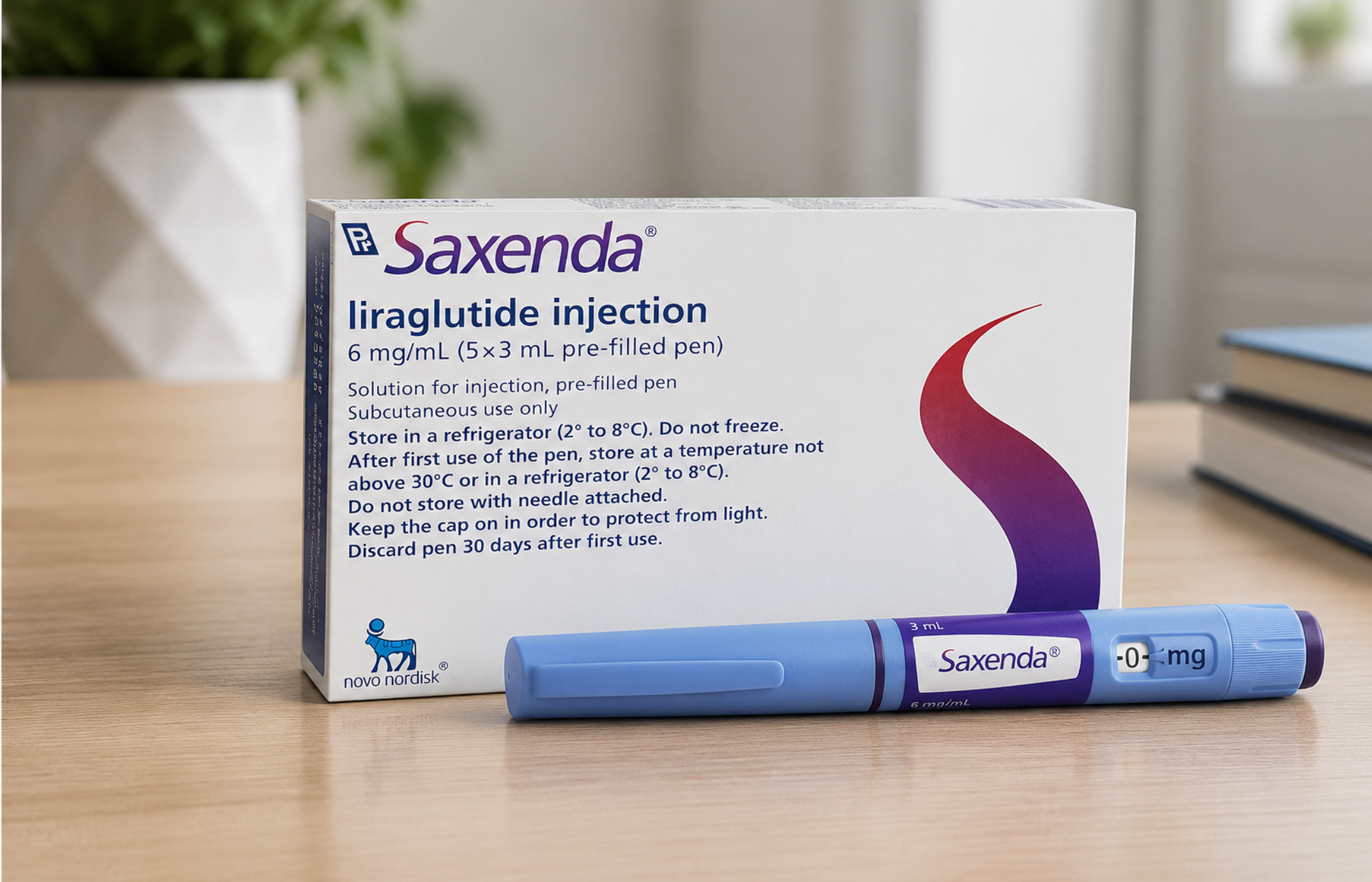
Saxenda contains liraglutide, a synthetic compound that mimics the naturally occurring GLP-1 hormone. Doctors prescribe this injectable medication for adults with obesity or those who are overweight and have related health issues. Patients take the medication daily while following a reduced-calorie diet and increasing physical activity. This treatment is also recommended for adolescents aged 12 to 17 who meet certain weight criteria.
Medical experts note that Saxenda aids both weight loss and blood sugar control. This dual action sets it apart from options that only affect appetite or blood sugar levels. Clinicians often consider this treatment for patients with overlapping metabolic issues. Thus, the medication serves as a useful tool in weight management strategies.
Mechanism of Action in the Body
Saxenda works by mimicking the natural actions of GLP-1 in the body. This hormone promotes feelings of fullness and helps regulate blood sugar levels. Unlike the natural hormone, liraglutide stays active in the body longer. This longer action allows for once-daily dosing rather than the quick breakdown typical of native GLP-1.
The medication targets receptors in the brain and pancreas. In the brain, Saxenda affects appetite-regulating areas, which helps lower hunger signals. In the pancreas, it boosts insulin release in response to higher glucose levels. Additionally, the mechanism slows down gastric emptying, which prolongs the feeling of fullness after meals.
Regulatory Approval and Clinical Indications
Federal regulators approved Saxenda in 2014 for adults with a body mass index (BMI) of 30 or higher. It is also approved for overweight adults with a BMI of 27 or higher, provided they have at least one weight-related health condition. Approval specifies that the medication should always be combined with dietary changes and increased physical activity.
In 2020, federal authorities expanded approval to adolescents aged 12 and older who meet specific weight thresholds. This change reflected increasing evidence supporting receptor agonist use in young patients. However, prescribers must carefully assess adolescent candidates due to unique developmental factors. Therefore, pediatric usage requires close monitoring throughout treatment.
Dosing and Administration
Titration Schedule
Saxenda has a structured titration schedule to reduce gastrointestinal side effects. Patients start with a dose of 0.6 milligrams daily in the first week. After that, the dose increases by 0.6 milligrams each week until reaching the maintenance level. This gradual increase allows the digestive system to adapt to the medication.
Patients usually stay on the treatment until they reach their weight goals. After that, doctors may lower the dose to the minimum needed to maintain weight loss. Patients with significant gastrointestinal side effects may stay at a lower dose temporarily. This individualized approach balances effectiveness with patient comfort.
Cost and Access Considerations
The list price for a 30-day supply of this medication is nearly $1,349.02, according to the manufacturer. This cost covers five pre-filled 3-milliliter injectable pens for treatment phases. Some insurance plans offer coverage for the therapy, but this can vary widely among providers. Patients should check their coverage and look into manufacturer assistance programs before starting treatment.
Safety Profile and Contraindications
Common Adverse Effects
Gastrointestinal symptoms are the most common side effects reported by adults using Saxenda. These include nausea, diarrhea, constipation, and vomiting, especially at the beginning of treatment. Other common effects are injection site reactions, headaches, fatigue, and dizziness. Some patients may also experience low blood sugar, stomach pain, or changes in pancreatic enzyme levels.
Adolescents report a somewhat different set of side effects during clinical trials. Fever and gastroenteritis occur more often in younger patients compared to adults. Therefore, clinicians closely monitor pediatric patients due to these different clinical signs. Thankfully, these symptoms usually lessen as the body adjusts to the medication.
Serious Risks
Saxenda has a boxed warning relating to thyroid C-cell tumors based on studies with rodents. Because of this, the medication is not recommended for individuals with a family history of medullary thyroid carcinoma. It is also contraindicated for those with Multiple Endocrine Neoplasia syndrome type 2. Because of these risks, screening for thyroid issues is essential.
In addition to thyroid risks, this medication may cause pancreatitis and gallstones in some patients. These conditions need immediate medical attention if symptoms like severe abdominal pain arise. Doctors weigh these risks against the metabolic benefits when deciding who is eligible for treatment. Regular clinical follow-ups allow for early detection of these complications.
Compounded Liraglutide: A Cautionary Note
Compounded versions of these medications have emerged due to occasional manufacturing shortages. These formulations lack federal approval and do not go through standard regulatory checks. As a result, compounded options might carry risks associated with contamination or varying strength. Patients considering therapy should talk about these risks with a licensed healthcare provider.
Given the lack of regulatory oversight, clinicians generally recommend using approved formulations when available. This recommendation underscores the importance of standardized manufacturing practices in injectable pharmaceuticals. Patients facing cost or access challenges should look into official assistance programs. These programs offer a safer route to affordable and reliable treatment.
Clinical Outlook
Saxenda has a well-established role in managing metabolic health conditions. Its mechanism, based on receptor activity, tackles both appetite and blood sugar control through complementary pathways. Safety considerations require careful patient screening and ongoing monitoring throughout treatment. As this class of medication continues to grow, clinicians are likely to refine long-term management strategies.
Conclusion
Saxenda serves as an established, dual-action pharmacological intervention for comprehensive weight management. Its mechanism effectively regulates appetite and blood glucose levels through targeted receptor activity. However, clinical implementation requires careful screening due to notable gastrointestinal effects and serious thyroid risks. Ultimately, the medication provides a reliable, regulated pathway to sustained weight loss when combined with structured lifestyle modifications.
References
Alobaida, M., Alrumayh, A., Oguntade, A. S., Al-Amodi, F., & Bwalya, M. (2021). Cardiovascular safety and superiority of anti-obesity medications. Diabetes, Metabolic Syndrome and Obesity: Targets and Therapy, 14, 3199–3208. https://doi.org/10.2147/dmso.s311359 Cited by: 19
Chao, A. M., Tronieri, J. S., Amaro, A., & Wadden, T. A. (2023). Semaglutide for the treatment of obesity. Trends in Cardiovascular Medicine, 33(3), 159–166. https://doi.org/10.1016/j.tcm.2021.12.008 Cited by: 349
Nicze, M., Dec, A., Borówka, M., Krzyżak, D., Bołdys, A., Bułdak, Ł., & Okopień, B. (2024). Molecular mechanisms behind obesity and their potential exploitation in current and future therapy. International Journal of Molecular Sciences, 25(15), 8202. https://doi.org/10.3390/ijms25158202 Cited by: 29
Tak, Y. J., & Lee, S. Y. (2021). Long-term efficacy and safety of anti-obesity treatment: Where do we stand? Current Obesity Reports, 10(1), 14–30. https://doi.org/10.1007/s13679-020-00422-w Cited by: 441
Torbahn, G., Lischka, J., Brown, T., Ells, L. J., Kelly, A. S., Wabitsch, M., & Weghuber, D. (2024). Anti‐obesity medication in the management of children and adolescents with obesity: Recent developments and research gaps. Clinical Endocrinology, 102(1), 51–61. https://doi.org/10.1111/cen.15133 Cited by: 31