Can New Oral Weight-Loss Drugs Help Women Manage Menopause Weight Gain?
Going through menopause is a major shift for a woman’s body. When estrogen levels drop, it changes how and where the body stores fat. Instead of settling around the hips, fat starts moving toward the belly area. This deeper belly fat is tricky because it raises the risk of heart and metabolic issues, even if your total scale weight does not change much.
The internal shift goes deeper than just a change in your waistline. To be precise, a drop in estrogen makes cells less responsive to insulin. Along with this, the body naturally burns fewer calories while at rest. Meanwhile, the poor sleep that often comes with perimenopause can throw off your hunger hormones, pushing cortisol and ghrelin levels up.
In light of this, these changing hormones create a perfect storm for weight gain. It makes standard diets and workouts feel much less effective than they used to be. Consequently, women often notice a steady increase in stubborn belly fat during this life stage. This frustrating buildup happens even when women track their food and maintain a stable caloric intake.
Emerging pharmacotherapy: GLP-1 receptor agonists and dual agonists
Glucagon-like peptide-1 receptor agonists, or GLP-1 drugs, are now a proven tool for weight management. These medications work by sending signals directly to the brain pathways that control fullness. For example, the medication semaglutide helps by lowering your appetite and keeping food in your stomach longer. Moreover, it cuts down on those intense cravings for comfort foods.
Data from large clinical trials show that these treatments can lead to real results. Most people on these medications lose about 10 to 15 percent of their total weight. Building on this success, scientists have created newer dual-action options. The drug tirzepatide works on two different hormone pathways instead of just one for a stronger effect.
This combination does an even better job of managing blood sugar and turning down hunger signals. As a result, recent studies on tirzepatide have shown some of the highest weight loss numbers yet. Average weight loss topped 20 percent for many patients in these groups. Given this, doctors are eager to see how these benefits can target menopause weight gain.
Oral formulations and their clinical relevance
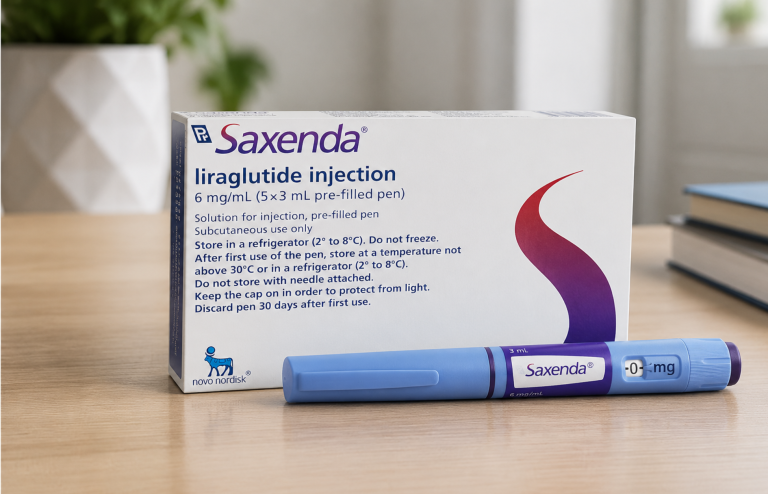
Until recently, these advanced weight-loss tools were only available as shots that you had to give yourself. This weekly needle requirement kept a lot of people from wanting to try them. Fortunately, the arrival of an oral pill version of semaglutide has opened up a whole new path. This development is a welcome option for women looking for an easier routine.
Many patients simply prefer taking a daily pill over dealing with needles and cold storage. Others find it much easier to stay consistent with a pill than with self-administered injections. Furthermore, stronger pill versions made specifically for weight loss are moving fast through regulatory reviews. These upcoming options will give patients more choices for long-term health tracking.
Taking a weight-loss pill does require a different routine than taking a shot. For the medicine to absorb correctly, you must take it on an empty stomach with a small sip of water. You then have to wait a little while before eating or drinking anything else. Nevertheless, patient data shows that the pills still deliver excellent weight loss results.
Hence, switching from a shot to a pill does not mean you lose out on the benefits. At the right dose, the oral option works just as well as the injectable versions. This makes it a highly practical alternative for busy women managing their health. Accordingly, doctors expect that more patients will stick with their treatment plan when using a pill.
Evidence in menopausal and perimenopausal women
| Parameter | Clinical Observation |
| Visceral Fat | Responds favorably to hormone-independent mobilization |
| Trial Gaps | Limited specific data for postmenopausal cohorts |
| Satiety Impact | Consistent performance across all female subgroups |
Belly fat is the main type of weight that tends to increase during menopause. Mechanistically, these new medicines are uniquely good at breaking down and clearing out this deep fat. Therefore, the specific way women gain weight during menopause makes them ideal candidates for this treatment. Future studies focusing purely on postmenopausal groups will help confirm these positive trends.
Interaction with hormonal and metabolic changes
The insulin resistance that comes with menopause makes carrying extra weight even harder on the body. GLP-1 medications are helpful here because they make your body’s cells more sensitive to insulin again. They do this both by dropping pounds and through direct chemical changes. Thus, menopausal women with high blood sugar can get a double benefit.
In light of this, a woman’s health profile might make her a great candidate for early treatment. Doctors often look at these medications as a protective step alongside normal healthy habits. However, keeping your bones strong is another major concern during the menopause years. Rapid weight loss from any method can sometimes cause a drop in bone density.
Therefore, doctors who prescribe these medications need to watch bone health very closely. It is wise to consider adding bone-protective habits or supplements to your daily routine. The data on how these specific medicines affect postmenopausal bones is still growing. Consequently, this is a key safety area that researchers are continuing to study.
SAfety and tolerability in the menopausal context
Like any real medicine, these new weight-loss tools come with some common side effects. Mild to moderate stomach issues are the complaints that doctors hear about the most. To be precise, patients often deal with waves of nausea, an upset stomach, or constipation. These issues usually show up when first starting or when raising the dose.
Menopause can already cause stomach issues for some women due to changing hormones. This means the overlapping symptoms can feel a bit intense during the first few weeks. Along with this, protecting your hard-earned muscle mass is a vital goal. Women naturally start to lose muscle as they age, even without taking any medication.
Losing weight quickly on these medications usually means losing a mix of fat and muscle. Consequently, lifting weights or doing resistance exercises is a necessary part of the plan. It is also important to eat enough protein every day while taking these drugs. These simple lifestyle adjustments help keep your muscles strong and your metabolism burning.
Clinical positioning alongside existing therapies
Hormone replacement therapy is still the top choice for stopping hot flashes and night sweats. It can also help prevent fat from gathering around your midsection in the first place. Meanwhile, the new weight-loss tools work through an entirely different path in the body. Thus, using both treatments together can be a smart approach for certain women.
Your medical team will need to look at your health history to see if a combination makes sense. Right now, there are no large published studies that look directly at combining these two therapies. Of course, eating nutritious foods and moving your body remain the absolute foundation of good health. Medication is meant to boost your efforts, not replace your daily habits.
Likewise, getting the best results from these treatments means staying on them long-term. This reality means you will need regular check-ins with your doctor to track your progress. A team approach with your gynecologist, hormone specialist, and a nutritionist often brings the best success. Having that extra support makes navigating the changes of menopause much easier.
Conclusion
The strong science behind these new weight-loss options offers real hope for the future. Weekly shots, dual-action options, and upcoming daily pills give women powerful choices for their health. These treatments directly target the areas that menopause disrupts, like appetite and insulin levels. Thus, they match up well with the specific challenges women face at this age.
Indeed, the way these medicines work fits perfectly with the biological shifts of menopause. This close connection makes the topic a top priority for medical researchers right now. While the current data is highly encouraging, we still need more studies on menopause groups. Dedicated trials will give us clearer answers on the best dosing plans.
Future research will help doctors create safer, more personalized roadmaps for their patients. Furthermore, keeping an eye on bone strength and muscle mass must stay part of the conversation. As oral options become easier to get, they will open doors for many women. This progress ensures that menopausal women get the focused care and options they deserve.
References
Davies, M., Faerch, L., Jeppesen, O. K., Pakseresht, A., Pedersen, S. D., Perreault, L., Rosenstock, J., Shimomura, I., Viljoen, A., Wadden, T. A., & Lingvay, I. (2021). Semaglutide 2.4 mg once a week in adults with overweight or obesity, and type 2 diabetes (STEP 2): A randomised, double-blind, placebo-controlled, phase 3 trial. The Lancet, 397(10278), 971–984. https://doi.org/10.1016/S0140-6736(21)00213-0
Jastreboff, A. M., Aronne, L. J., Ahmad, N. N., Wharton, S., Connery, L., Alves, B., Kiyosue, A., Zhang, S., Liu, B., Bunck, M. C., & Stefanski, A. (2022). Tirzepatide once weekly for the treatment of obesity. New England Journal of Medicine, 387(3), 205–216. https://doi.org/10.1056/NEJMoa2206038
Davis, S. R., Castelo-Branco, C., Chedraui, P., Lumsden, M. A., Nappi, R. E., Shah, D., & Villaseca, P. (2012). Understanding weight gain at menopause. Climacteric, 15(5), 419–429. https://doi.org/10.3109/13697137.2012.707385
Rubino, D. M., Greenway, F. L., Khalid, U., O’Neil, P. M., Rosenstock, J., Sorrig, R., Wadden, T. A., Wizert, A., & Garvey, W. T. (2022). Effect of weekly subcutaneous semaglutide vs daily liraglutide on body weight in adults with overweight or obesity without diabetes: The STEP 8 randomized clinical trial. JAMA, 327(2), 138–150. https://doi.org/10.1001/jama.2021.23619