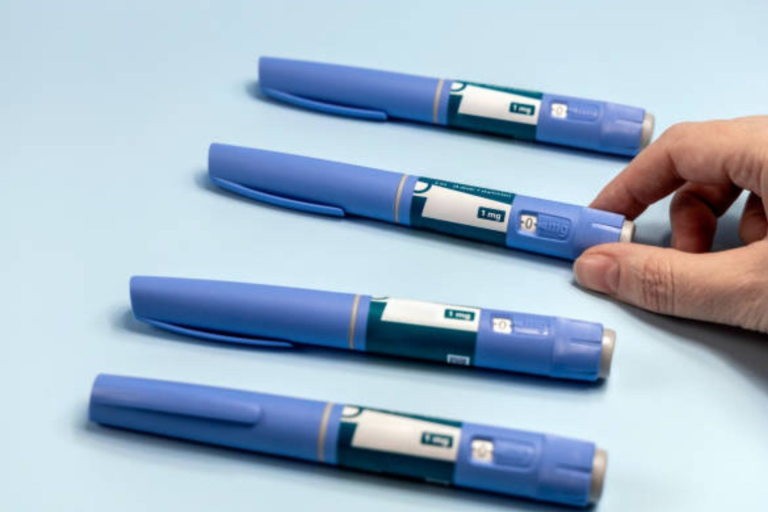
How GLP-1 Works in the Body: A Beginner-Friendly Guide

If you have spent any time following health news recently, you have likely heard about a breakthrough class of medications changing the landscape of metabolic health. Known as GLP-1 receptor agonists, these drugs, including familiar names like Ozempic, Wegovy, and Mounjaro, have become a focal point in the medical community due to their innovative treatment mechanisms and significant therapeutic efficacy in managing conditions like type 2 diabetes and obesity.
While they may seem like a magic fix, the science behind how they work is rooted in a natural hormone your body already produces. Understanding the biological symphony they conduct can help you appreciate why they are so effective for long-term health management.
What Exactly is GLP-1?
Glucagon-like peptide-1 (GLP-1) is a natural hormone primarily synthesized in the intestinal mucosal L-cells and certain neurons in the brain. In a healthy body, this hormone is released shortly after you eat. Its job is to tell your pancreas to release insulin, which helps lower blood sugar, and to signal your brain that you are full.
However, natural GLP-1 has a very short life, it is rapidly degraded by an enzyme called DPP-4 and cleared by the kidneys within just one to two minutes. Modern medications are analogues, meaning they are designed to mimic this hormone but are built to resist that rapid breakdown, allowing them to stay active in your system for a week rather than a few minutes.
The Biological Switch that Manages Metabolism
The magic of GLP-1 lies in its ability to act like a biological messenger that connects your gut to your brain and major organs. When you eat, your small intestine naturally releases GLP-1 to signal the body that fuel has arrived. These medications essentially amplify that signal, activating GLP-1 receptors in the pancreas to release insulin while blocking the liver from releasing extra sugar.
Beyond just blood sugar, the hormone acts as a control switch for digestion and appetite. It works by binding to specific receptors in the brain’s hypothalamus, which directly suppresses the urge to eat and increases the physical sensation of fullness. Simultaneously slowing down the rate at which your stomach empties, it ensures that your body processes nutrients gradually, preventing the metabolic highs and lows that often lead to overeating and weight gain.
The Three-Way Attack on Weight and Sugar
GLP-1 medications do not just do one thing; they perform a coordinated effort across several major organs to regulate your metabolism.
1. The Pancreas: Sugar Control
The most direct role of GLP-1 is helping the pancreas function more efficiently. When blood sugar levels rise after a meal, GLP-1 stimulates the release of insulin while simultaneously suppressing the secretion of glucagon, a hormone that would otherwise raise blood sugar levels. This dual action ensures your glucose levels stay in a healthy range without the high risk of crashes or hypoglycemia.
2. The Stomach: Digestion Speed
Ever wonder why people on these medications feel full for so long? These drugs slow down the rate at which food leaves the stomach, a biological process officially known as gastric emptying. Because the food stays in your stomach longer, the physical sensation of fullness persists, naturally reducing the urge to snack between meals.
3. The Brain: Rewiring Hunger
Perhaps the most powerful effect occurs in the brain. GLP-1 receptors are located in the hypothalamus, the area of the brain that regulates food intake and cravings.
By activating these receptors, the medication tells your nervous system that you are satisfied, effectively turning off the constant food noise that many people with obesity struggle to ignore.
Key Statistics and Trends for 2026
The adoption of these therapies has reached unprecedented levels. According to recent data from 2025, the United States has conducted 34.1% of all global GLP-1 clinical trials, followed by China at 27.2%. This massive investment is driven by the fact that these drugs do more than just manage weight; they have shown extraordinary commercial and clinical success.
- Market Growth: Global sales for leading GLP-1 products exceeded $18 billion in 2024 alone.
- Efficacy: Clinical trials have shown that these medications are superior to other antihyperglycemic drugs in reducing weight, lowering blood pressure, and providing cardioprotective effects.
- A1c Reduction: Patients with type 2 diabetes often see a reduction in hemoglobin A1c of about 1% compared to control groups.
Beyond Weight Loss: Heart and Brain Benefits
As of early 2026, researchers are discovering that GLP-1’s influence extends far beyond the digestive tract. New studies suggest these medications offer a transformative approach for managing metabolic benefits across multiple organ systems, including the heart, kidneys, and even the brain.
| Benefits Area | How It Works |
| Cardiovascular | Improves heart function, reduces blood pressure, and may prevent heart attacks. |
| Neurological | Shows potential neuroprotective effects in disorders like Alzheimer’s disease and Parkinson’s. |
| Inflammation | Influences the central nervous system to regulate hunger and reduce systemic inflammation. |
Practical Tips for Everyday Life on GLP-1
Many people find that small daily habits can make GLP-1 treatment smoother and more sustainable. Simple steps include planning balanced meals with protein and fibre, chewing food slowly, and stopping eating when comfortable rather than stuffed. Experts suggest that behavioural weight loss programs, including dietary and exercise support, are essential to prevent rapid weight regain if medication is ever paused.
Staying in touch with a healthcare team, such as a primary care doctor, endocrinologist, or dietitian, helps with dose changes and long-term planning. Writing down questions between visits and noting any side effects or mood changes can give the care team a clear picture and improve outcomes. Recent studies have projected that weight is often fully regained within 18 months if the medication is stopped without a long-term maintenance strategy in place.
Conclusion
Understanding how GLP-1 works in the body turns a confusing medical trend into a clear story about hormones, hunger, and long-term health. By mimicking a natural gut hormone, these medications support the pancreas, slow digestion, and quiet the brain’s constant food noise, helping people manage weight and blood sugar more effectively.
Used thoughtfully, alongside realistic lifestyle changes and regular medical guidance, GLP-1 therapies can be a powerful tool rather than a quick fix. For anyone considering this path, asking questions, learning the basics, and partnering closely with a healthcare professional is the strongest way to use this modern treatment with confidence and safety.
Frequently Asked Questions (FAQs)
- Is GLP-1 just a weight loss shot, or does it do more than that?
No, GLP-1 is more than a weight loss shot. It is a hormone-based treatment that helps control blood sugar, supports heart health, and calms hunger signals in the brain, with weight loss being one major benefit.
- How long does it take to feel the effects of a GLP-1 medication?
Many people notice less hunger and smaller portions within a few weeks, but full benefits for weight and blood sugar often build over several months as the dose increases step by step.
- Will I regain all the weight if I ever stop taking a GLP-1?
Research from January 2026 shows that weight regain after stopping GLP-1 medications occurs more quickly than after stopping traditional lifestyle programs, highlighting the need for a long-term plan.
- Do GLP-1 medications replace healthy eating and exercise?
No, they work best when combined with balanced meals and movement. Leading clinics emphasize that GLP-1s were not designed to be used alone and should be part of a comprehensive management program.
- Are GLP-1 drugs safe to use for years?
Current data suggest many can use them safely for long periods, but monitoring for issues like gallbladder inflammation or pancreatic enzyme elevation is important for long-term safety.
- Can someone without diabetes use GLP-1 just for weight management?
Yes, specific formulations are FDA approved for adults with a BMI of 30 or higher (obesity) or a BMI of 27 with weight-related health conditions, even if they do not have diabetes.