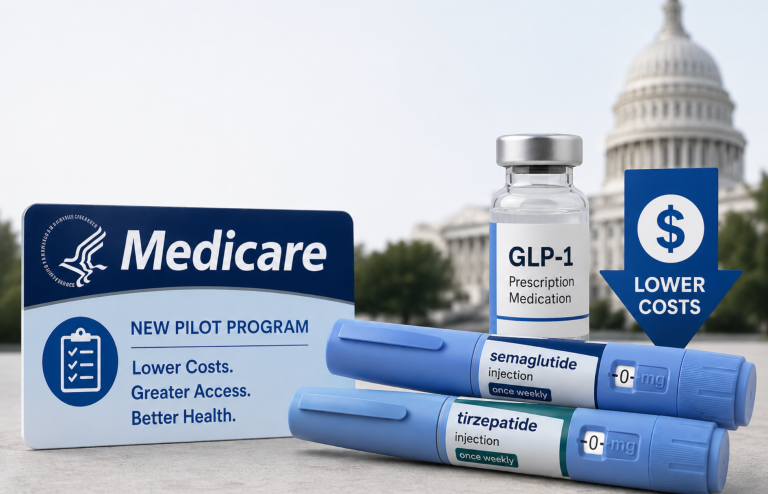
Eli Lilly Stock Jumps as $1.5 Billion Weight-Loss Pill Nears Market Launch

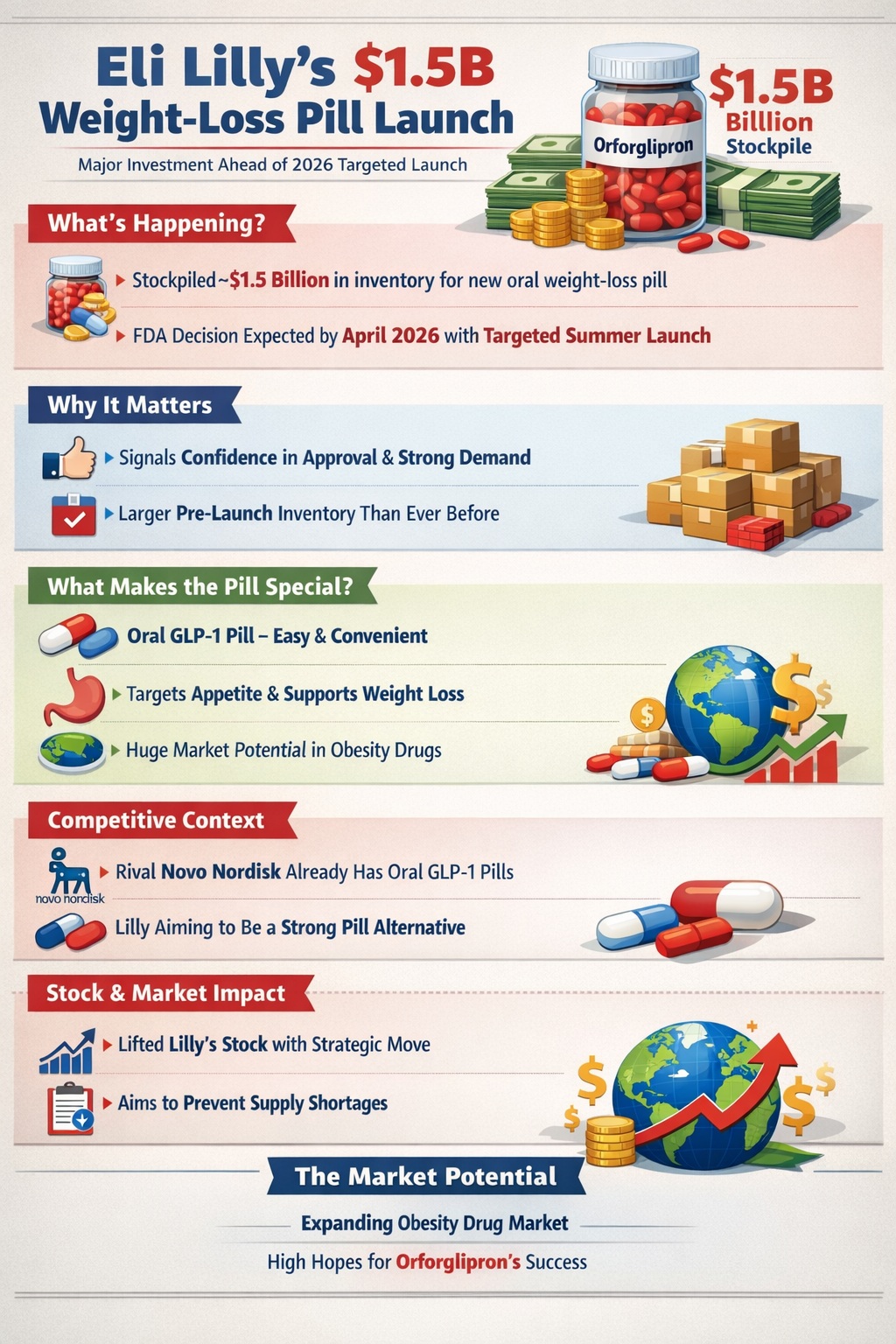
Shares of Eli Lilly and Company moved higher this week after the drugmaker signaled strong confidence in its upcoming weight-loss pill launch. Investors responded positively as the company confirmed it has built roughly $1.5 billion in inventory for its experimental oral obesity treatment, orforglipron. The move suggests that Lilly expects regulatory approval and rapid commercial demand once the drug reaches the market.
The stock edged up in early trading, reflecting optimism around the company’s expanding obesity portfolio. Although the gain was modest, the buildup of supply highlights management’s conviction. By preparing inventory ahead of approval, Lilly aims to avoid shortages that have affected other weight-loss treatments in recent years. As a result, the company could capture early demand without production delays.
Orforglipron differs from many existing obesity drugs because patients take it as a pill rather than an injection. This distinction matters. Many patients prefer oral medication, and physicians often see improved adherence when treatment feels less invasive. Therefore, analysts believe the pill format could unlock a broader patient population. If regulators approve the treatment, Lilly plans to move quickly with distribution across major markets.
The anticipated regulatory decision is expected next year. However, Lilly has not waited for the formal green light to prepare its supply chain. Instead, it has taken a proactive stance. This strategy signals that executives expect strong prescription volume shortly after launch. Moreover, early manufacturing reduces the risk of lost revenue during the critical rollout phase.
Competition in the obesity market remains intense. Novo Nordisk has already established a dominant position with blockbuster injectable treatments and has also introduced oral options, intensifying the race for market share. Even so, Lilly’s approach reflects confidence that demand remains strong enough to support multiple major players.
Importantly, the global obesity treatment market continues to expand at a rapid pace. Rising obesity rates and growing awareness of weight-related health risks have driven demand for pharmaceutical solutions. Consequently, drugmakers are investing heavily in research, manufacturing capacity, and global distribution networks. Lilly stands at the forefront of this expansion, supported by its established diabetes and metabolic drug franchise.
Financial analysts have taken notice. Several firms have reiterated positive outlooks on Lilly’s long-term growth potential. Revenue growth has accelerated significantly over the past year, largely fueled by demand for its metabolic treatments. Therefore, investors see the obesity pipeline as a continuation of that momentum rather than a one-off opportunity.
At the same time, Lilly continues to diversify its manufacturing footprint. The company has announced large-scale investments designed to strengthen supply resilience. By expanding production capabilities globally, Lilly aims to meet sustained demand across North America, Europe, and emerging markets. This strategy reduces dependency on any single region while improving logistical efficiency.
While optimism remains high, some uncertainties persist. Regulatory review always carries risk, and pricing pressures could shape early adoption. In addition, insurers may scrutinize reimbursement policies for oral weight-loss drugs. Nevertheless, the company’s decision to produce substantial inventory indicates that leadership views these risks as manageable.
Market participants will now watch for clinical updates, regulatory milestones, and launch timing. If approval proceeds as expected, Lilly could enter the oral obesity segment with significant first-wave supply ready for pharmacies and healthcare providers. That preparedness may provide a competitive edge during the crucial early months.
Overall, Eli Lilly’s stock movement reflects more than short-term trading activity. Instead, it underscores investor belief in the company’s long-term obesity strategy. By combining innovation, manufacturing readiness, and aggressive market positioning, Lilly aims to strengthen its standing in one of the fastest-growing areas of modern medicine.
As the regulatory decision approaches, attention will likely intensify. Investors, healthcare providers, and competitors alike will monitor how effectively Lilly converts anticipation into sustained revenue growth. If the launch unfolds smoothly, the company could reinforce its leadership in metabolic health and deliver another major growth catalyst for shareholders.