
What Is Oral Semaglutide?

With the convenience of a pill rather than an injection, oral semaglutide is a significant advancement in diabetes treatment and weight management. In September 2019, the U.S. Food and Drug Administration (FDA) approved the first oral glucagon-like peptide-1 (GLP-1) receptor agonist, Rybelsus.
Millions of people with type 2 diabetes now have more treatment options thanks to this ground-breaking formulation, which offers a potent therapeutic benefit without the need for injectable drugs.
Understanding GLP-1 Receptor Agonists
Oral semaglutide belongs to a class of medications known as GLP-1 receptor agonists, which mimic the action of a naturally occurring hormone in the body called glucagon-like peptide-1. This hormone plays a crucial role in regulating appetite and blood sugar levels throughout the digestive system.
The medication works by stimulating glucose-dependent insulin secretion from pancreatic β-cells, suppressing glucagon secretion from pancreatic α-cells, and delaying gastric emptying. These combined mechanisms make it highly effective for managing type 2 diabetes and supporting weight loss efforts.
Because of their remarkable glucose-lowering, weight-reducing, and cardiovascular benefits, GLP-1 receptor agonists have become a significant part of diabetes management. With 94% homology to human GLP-1, semaglutide’s oral formulation is strikingly similar to the hormone the body naturally produces. This resemblance enables the drug to have improved therapeutic effects while integrating easily with the body’s current systems.
How Oral Semaglutide Works
The medication reduces hyperglycemia through multiple pathways, primarily by increasing insulin secretion and decreasing glucagon secretion. When blood sugar levels rise after eating, oral semaglutide signals the pancreas to release more insulin, helping cells absorb glucose more efficiently.
Simultaneously, it suppresses glucagon secretion, a hormone that typically raises blood glucose by stimulating glucose release from the liver.
Beyond blood sugar control, oral semaglutide affects appetite and digestion in significant ways. The medication slows digestion, reduces hunger, increases feelings of fullness, enhances insulin sensitivity, and decreases food chatter and food noise. These effects make it particularly valuable for patients struggling with both diabetes management and weight control. Delayed gastric emptying means food remains in the stomach longer, contributing to prolonged satiety and reduced caloric intake throughout the day.
The Innovation Behind Oral Delivery
The novelty of oral semaglutide lies in its unique formulation that enables oral administration and absorption of a peptide drug. Traditionally, peptide medications like GLP-1 receptor agonists required injection because they would be broken down by stomach acid before reaching the bloodstream. Oral semaglutide overcomes this challenge through co-formulation with an absorption enhancer called sodium N-(8-[2-hydroxybenzoyl] amino) caprylate (SNAC). This innovative ingredient protects the active medication from degradation in the acidic stomach environment and facilitates its absorption into the bloodstream.
This breakthrough in pharmaceutical technology eliminated the need for daily injections, making treatment more accessible and acceptable to patients who may have an injection phobia or prefer oral medications. The development of this formulation required years of research and clinical testing to ensure both safety and efficacy.
Approved Uses and Indications
Oral semaglutide received FDA approval for use as an adjunct to diet and exercise to improve glycemic control in adults with type 2 diabetes. The medication is not intended to replace healthy lifestyle choices but rather to enhance the effectiveness of dietary modifications and physical activity.
Additionally, it is used to lower the risk of heart attack, stroke, or death in patients with type 2 diabetes who are at high risk for these cardiovascular events.
The medication has proven cardiovascular safety with tolerable gastrointestinal adverse effects comparable to other GLP-1 receptor agonists. Clinical trials have demonstrated that oral semaglutide shows significant hemoglobin A1c reduction and weight reduction compared to other diabetes medications including sitagliptin, empagliflozin, and liraglutide. These results position it as a highly competitive option in the diabetes treatment landscape.
Dosage and Administration
The product is available in 3-mg, 7-mg, and 14-mg tablets, allowing for flexible dosing based on individual patient needs. The manufacturer recommends initiating oral semaglutide at 3 mg once daily, then increasing the dose to 7 mg once daily after 30 days. This gradual titration approach helps minimize side effects and allows the body to adjust to the medication gradually.
When administered orally, semaglutide is dosed differently from injectable formulations because its absorption and delivery mechanisms differ significantly.
Patients must follow specific administration instructions to maximize absorption, typically taking the tablet on an empty stomach with a small amount of water. Proper adherence to these guidelines is essential for achieving optimal therapeutic outcomes.
Clinical Effectiveness
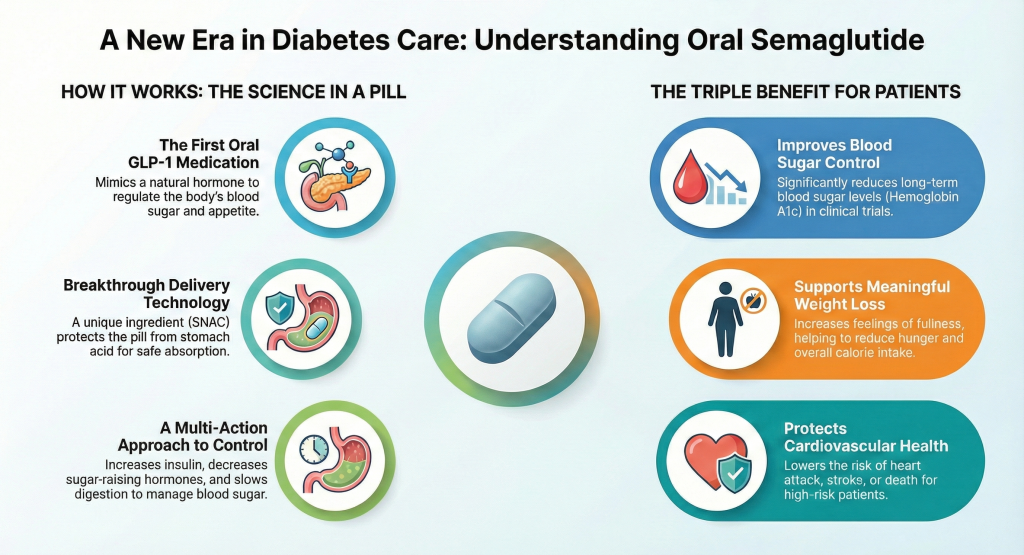
Oral semaglutide has demonstrated its effectiveness across all stages of diabetes and in combination with various antidiabetic drugs, as evidenced by the PIONEER clinical trial program. These comprehensive studies evaluated the medication’s performance in diverse patient populations and treatment scenarios. The molecule has shown a significant reduction in hemoglobin A1c, which measures average blood sugar levels over approximately three months, making it a reliable indicator of long-term glycemic control.
Weight reduction represents another important benefit observed in clinical trials, with many patients experiencing meaningful weight loss while taking the medication. This dual benefit of improved blood sugar control and weight management makes oral semaglutide particularly valuable for type 2 diabetes patients, as excess weight often complicates diabetes management. The cardiovascular benefits further enhance its therapeutic profile, offering protection against some of the most serious complications associated with diabetes.
Side Effects and Safety Considerations
The most common side effects of oral semaglutide include nausea, vomiting, diarrhea, abdominal pain, and constipation. These gastrointestinal symptoms typically occur during the initial weeks of treatment and often diminish as the body adjusts to the medication. Starting with a lower dose and gradually increasing it helps minimize these effects for most patients.
Doctors carefully check a patient’s health before prescribing oral semaglutide and provide it only with a prescription. Ongoing medical supervision is important, and patients should quickly report any serious or lasting side effects to stay safe and get the best results.
Comparison to Injectable Versions
While both oral and injectable forms of semaglutide contain the same active ingredient and work through similar mechanisms, they differ in dosing, administration, and patient convenience factors. Injectable versions marketed as Wegovy and Ozempic are administered via subcutaneous injection, typically once weekly. The oral tablet Rybelsus must be taken daily, requiring consistent adherence to maintain therapeutic levels in the bloodstream.
The choice between oral and injectable semaglutide often depends on patient preference, lifestyle factors, and specific treatment goals. Some patients prefer the convenience of a daily pill, while others favor the once-weekly injection schedule. Both formulations have proven effective for their approved indications, and healthcare providers work with patients to determine which option best suits their individual needs and circumstances.
Impact on Healthcare and Patient Access
Semaglutide has become one of the most commonly prescribed medications in the United States, with more than 25 million prescriptions written in 2023 alone. This widespread adoption reflects both its clinical effectiveness and the growing prevalence of type 2 diabetes in the population. The medication’s inclusion on the World Health Organization’s List of Essential Medicines underscores its importance in global healthcare.
The availability of an oral formulation has expanded treatment options significantly, making GLP-1 receptor agonist therapy accessible to patients who might have declined injectable medications. This increased accessibility has the potential to improve diabetes management outcomes across diverse patient populations and healthcare settings.
Conclusion
Oral semaglutide is a meaningful step forward for people living with type 2 diabetes. It brings the proven power of GLP-1 treatment into a simple daily pill, helping patients manage blood sugar, support weight loss, and protect heart health, without the stress of injections. For many, this ease can make treatment feel less overwhelming and more manageable.
By addressing both high blood sugar and weight concerns together, oral semaglutide supports patients in a more complete, compassionate way. Backed by strong clinical research, it gives doctors greater flexibility to tailor care to each person’s needs. As its use grows, this once-daily tablet has the potential to ease daily routines, boost confidence, and improve quality of life for millions worldwide.


