GLP-1 Receptor Agonists: Mechanisms, Clinical Applications, and Therapeutic Significance
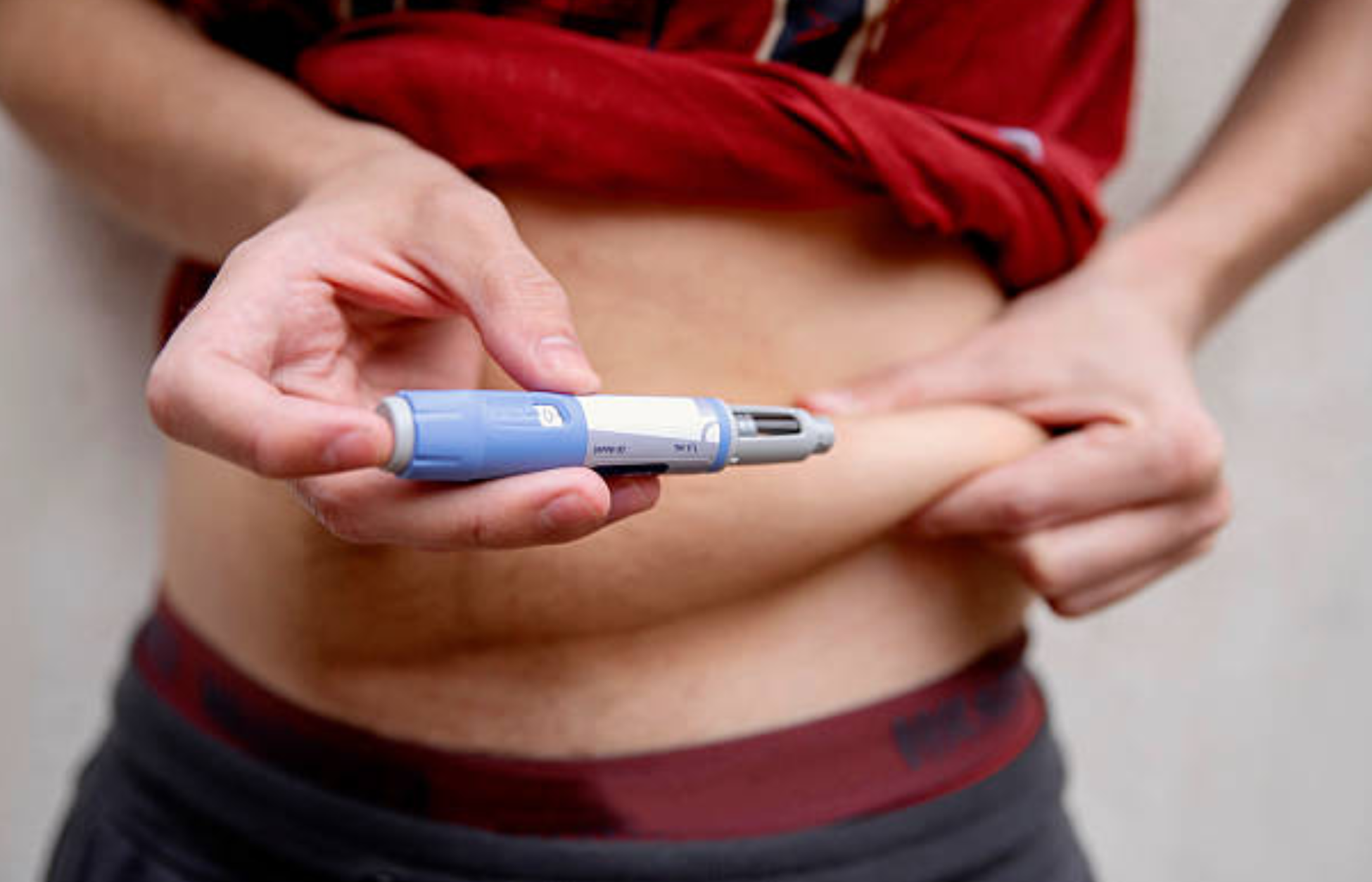
Managing type 2 diabetes and weight loss has changed significantly with a new class of drugs. These medications, known as GLP-1 receptor agonists, work by mimicking a natural hormone in the body. While they help control blood sugar, their benefits actually go much further. Many people now recognize these treatments by brand names like Ozempic, Wegovy, and Mounjaro.
The Physiology of GLP-1
Our bodies naturally produce a hormone called GLP-1 in the lower part of the intestines. This hormone usually enters the bloodstream right after we eat a meal. It tells the pancreas to release insulin, which helps lower blood sugar levels. Along with this, it stops the liver from making too much extra sugar.
However, natural GLP-1 does not stay in the body for very long. An enzyme quickly breaks it down in just a couple of minutes. This short lifespan makes the natural version ineffective as a long-term medical treatment. Therefore, scientists had to find a way to make the hormone last longer.
Pharmacological Design of GLP-1 Receptor Agonists
Drug manufacturers designed these new medications to be much tougher than the natural hormone. They modified the molecular structure so the body cannot break it down as quickly. This change allows the medicine to stay active for hours or even a full week. Accordingly, patients can often take the medication just once a week.
Semaglutide is a great example of this clever engineering in action. It attaches to proteins in the blood to stay in the system longer. Given this, the drug provides a steady effect without needing daily shots. This makes it much easier for people to stick to their treatment plans.
Pancreatic and Glycemic Mechanisms
These drugs are smart because they only trigger insulin when blood sugar is actually high. This is a major advantage because it prevents blood sugar from dropping too low. Other older diabetes medications often cause dangerous dizzy spells from low sugar. Furthermore, these new drugs keep the liver from overproducing sugar during the day.
| Mechanism | Primary Physiological Action | Clinical Outcome |
| Pancreatic | Stimulates glucose-dependent insulin secretion | Improved Glycemic Control |
| Gastrointestinal | Delays gastric emptying and motility | Reduced Postprandial Glucose |
| Neurological | Activates hypothalamic satiety pathways | Weight Reduction |
| Cardiovascular | Reduces systemic inflammation and blood pressure | MACE Risk Reduction |
The medication also slows down how fast food leaves the stomach. This means sugar enters the bloodstream more slowly after you eat. Thus, the body can handle the energy from food much more effectively. These combined actions make the drugs very powerful for managing diabetes.
Central Nervous System and Appetite Regulation
GLP-1 receptors are not just in the gut; they are also in the brain. The medication reaches the areas of the brain that control hunger and fullness. As a result, people taking these drugs feel less hungry throughout the day. Notably, it even helps reduce the desire for “reward” foods or snacks.
Weight loss happens because the brain signals the body that it is satisfied. People naturally eat smaller portions because they feel full much faster than before. Therefore, weight loss is driven by a real change in appetite. This approach is much more effective than relying on willpower alone.
Cardiovascular and Organ-Level Effects
These medications do more than just help with weight and blood sugar. Large studies have shown that they actually protect the heart. Patients using these drugs have fewer heart attacks and strokes over time. Moreover, the treatment can help lower blood pressure and reduce inflammation.
The kidneys also seem to benefit from this type of medical treatment. Doctors have noticed that kidney function stays more stable in patients using these agonists. In view of this, the drugs offer a layer of protection for vital organs. This makes them a great choice for patients with multiple health concerns.
The Role of Dual and Multi-Receptor Agonism
Newer drugs like tirzepatide are taking this technology even further than before. This medication targets two different hormone receptors instead of just one. It uses the GLP-1 pathway and another hormone called GIP to boost results. Consequently, this “dual” approach often leads to even better blood sugar numbers.
Research shows that hitting both receptors helps the body process fat more efficiently. Patients using these dual-action drugs often lose a larger percentage of body weight. Nevertheless, scientists are still studying the long-term heart benefits of these newer versions. It is an exciting time for medical research in this field.
Weight Management Applications and Clinical Evidence
Federal health officials have approved specific versions of these drugs specifically for weight loss. In major studies, people lost significant amounts of weight over a year of treatment. These results are much higher than what people usually see with standard diets. Thus, these medications are changing how we think about treating obesity.
Doctors now consider these drugs a top choice for patients struggling with weight. Along with the medicine, patients are encouraged to stay active and eat well. This combination helps people achieve goals that once seemed impossible without surgery. Given this, the medical community is embracing these new tools.
Type 2 Diabetes Management Considerations
For people with type 2 diabetes, these drugs are becoming the gold standard. They lower A1c levels effectively while also helping the patient shed extra pounds. This is a huge benefit compared to older drugs that cause weight gain. Therefore, many experts now recommend them as a first-line treatment option.
Clinicians still need to look at each patient’s unique health history before prescribing. While these drugs are effective, they can be expensive for some people. Meanwhile, doctors must ensure the patient is comfortable with using an injectable medication. The focus is always on finding the right fit for the individual.
Tolerability, Adverse Effects, and Clinical Management
The most common side effects usually involve the stomach or digestion. Some people feel nauseated or experience an upset stomach when they first start. These feelings usually go away once the body gets used to the medicine. Hence, doctors start patients on a very low dose and increase it slowly.
There are some rare but serious risks that patients should know about. For example, doctors check for any history of thyroid issues or pancreas problems. Building on this, regular check-ups help ensure the treatment remains safe and effective. Most people find the benefits far outweigh the temporary side effects.
Conclusion
GLP-1 receptor agonists are a powerful tool for improving modern health. They work across the body to control sugar, protect the heart, and manage weight. These actions lead to a much better quality of life for many patients. Accordingly, they have fundamentally changed how we treat metabolic diseases today.
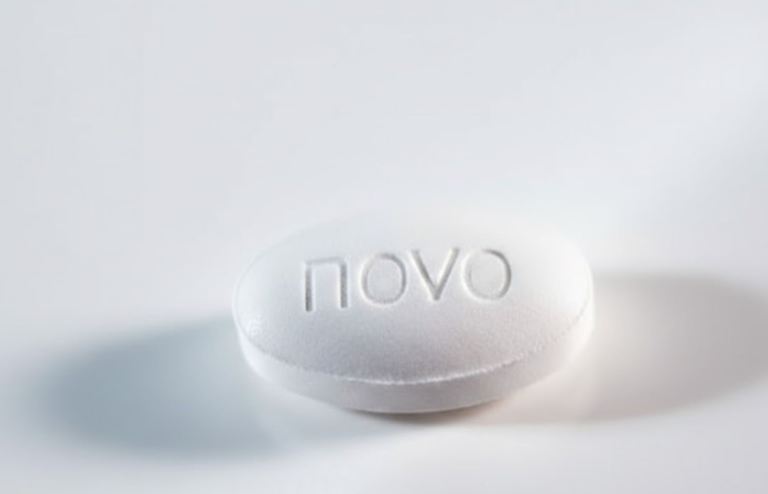
The future looks very bright for this class of life-changing medications. Scientists are already working on pill versions and even more powerful combinations. As we learn more, these drugs will likely help even more people in the future. Therefore, these hormones are now a permanent part of modern medicine.
References
Drucker, D. J. (2018). Mechanisms of action and therapeutic application of glucagon-like peptide-1. Cell Metabolism, 27(4), 740–756. https://doi.org/10.1016/j.cmet.2018.03.001
Wilding, J. P. H., Batterham, R. L., Calanna, S., Davies, M., Van Gaal, L. F., Lingvay, I., McGowan, B. M., Rosenstock, J., Tran, M. T. D., Wadden, T. A., Wharton, S., Yokote, K., Zeuthen, N., & Kushner, R. F. (2021). Once-weekly semaglutide in adults with overweight or obesity. New England Journal of Medicine, 384(11), 989–1002. https://doi.org/10.1056/NEJMoa2032183
Jastreboff, A. M., Aronne, L. J., Ahmad, N. N., Wharton, S., Connery, L., Alves, B., Kiyosue, A., Zhang, S., Liu, B., Bunck, M. C., & Stefanski, A. (2022). Tirzepatide once weekly for the treatment of obesity. New England Journal of Medicine, 387(3), 205–216. https://doi.org/10.1056/NEJMoa2206038
American Diabetes Association Professional Practice Committee. (2024). Standards of care in diabetes: 2024. Diabetes Care, 47(Suppl. 1), S1–S321. https://doi.org/10.2337/dc24-S001
Marso, S. P., Bain, S. C., Consoli, A., Eliaschewitz, F. G., Jodar, E., Leiter, L. A., Lingvay, I., Rosenstock, J., Seufert, J., Warren, M. L., Woo, V., Hansen, O., Holst, A. G., Pettersson, J., & Vilsboll, T. (2016). Semaglutide and cardiovascular outcomes in patients with type 2 diabetes. New England Journal of Medicine, 375(19), 1834–1844. https://doi.org/10.1056/NEJMoa1607141