Oral GLP-1 Agent Orforglipron Demonstrates Weight Maintenance After Injectable Therapy
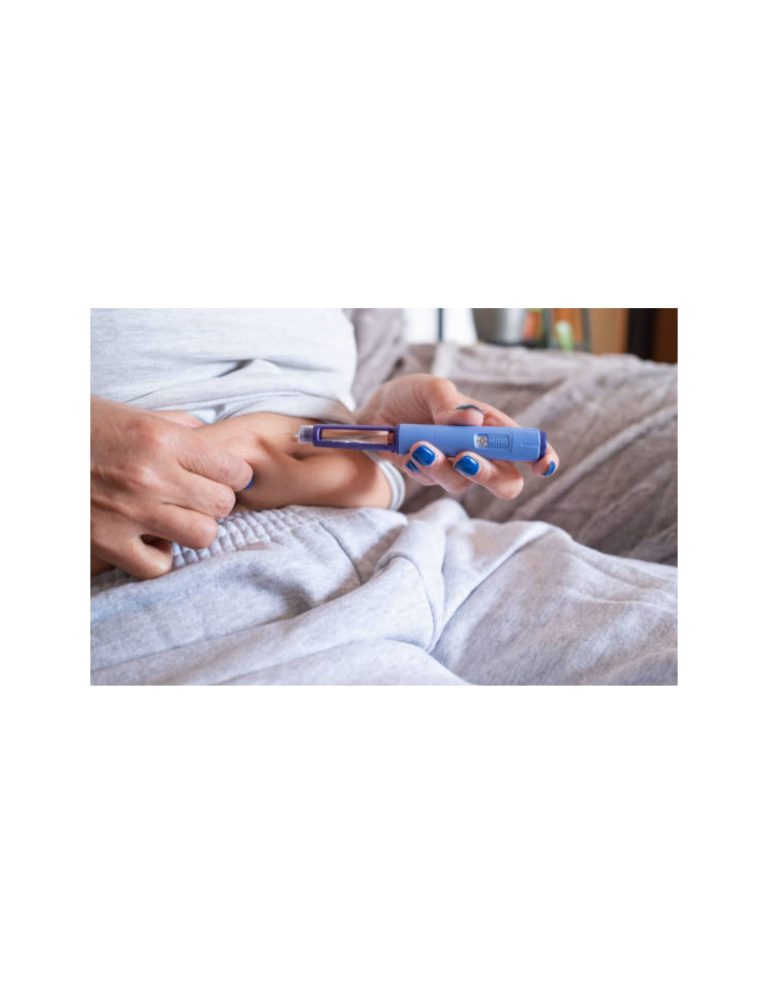
Weight regain often occurs after patients stop using injectable weight loss medications. Many clinical trials show that individuals regain most lost weight within one year of stopping. Researchers recently tested if an oral pill could stop this cycle. This study focused on keeping the progress made during earlier treatments.
The ATTAIN-MAINTAIN trial studied 376 adults who finished 72 weeks of injections. These patients had already lost significant weight using tirzepatide or semaglutide. Scientists gave them either a daily orforglipron pill or a placebo. This maintenance phase lasted for one full year.
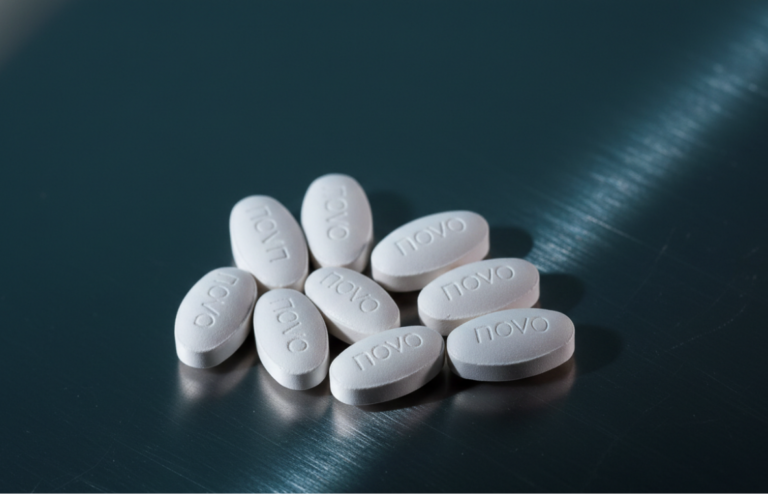
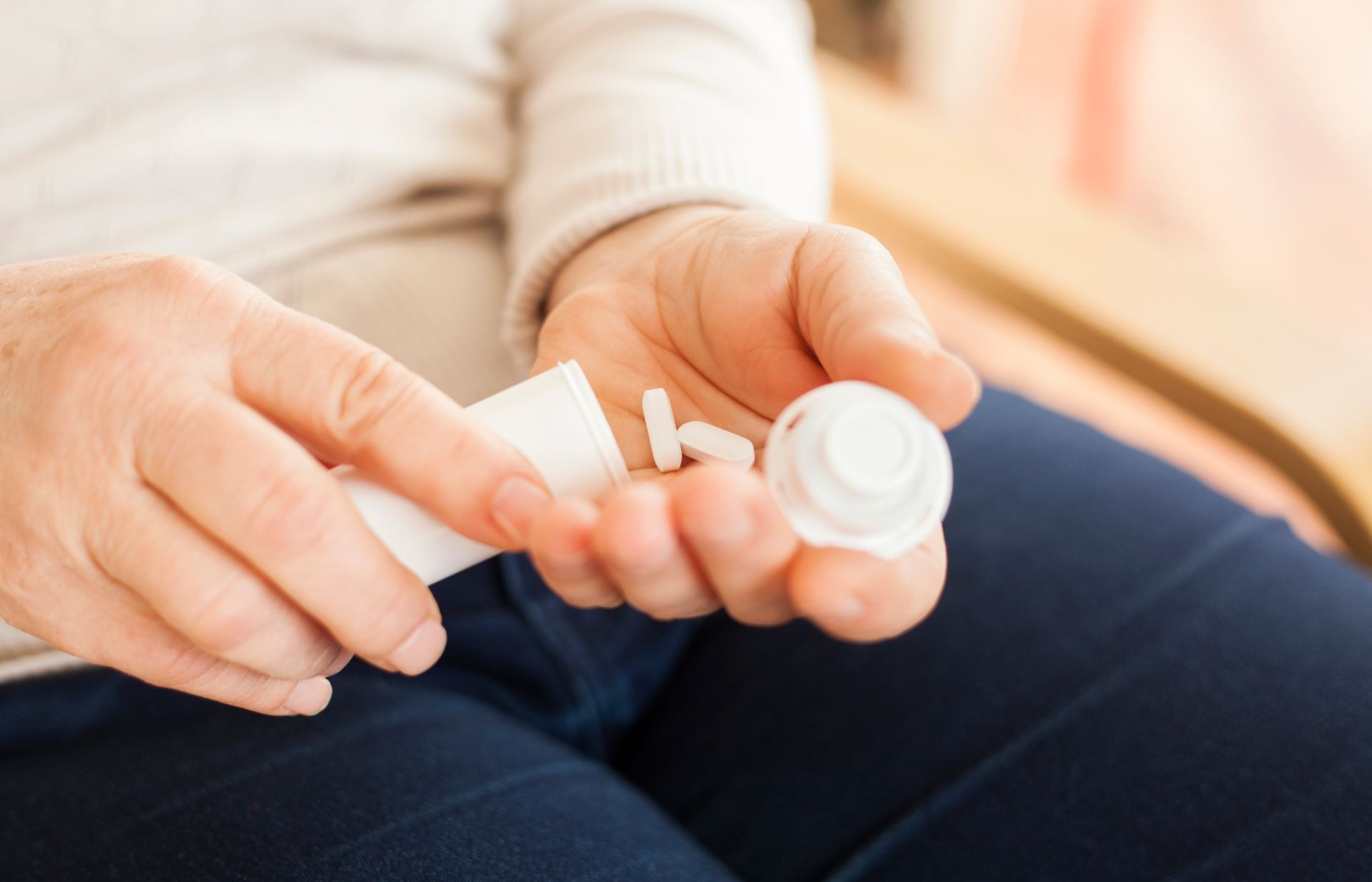
Orforglipron works as a small-molecule GLP-1 receptor agonist. This specific design allows the body to absorb the medicine by mouth. Patients can take it without worrying about food or cold storage. Along with this, the pill offers a simpler routine than weekly shots.
The results showed that orforglipron kept weight off effectively. Patients moving from tirzepatide kept 75 percent of their weight loss. Meanwhile, the placebo group kept only 49 percent of their progress. Thus, the pill performed much better than stopping treatment entirely.
Those switching from semaglutide saw even better results with the oral drug. They kept about 79 percent of their initial weight loss after one year. In contrast, the placebo group kept only 38 percent of their progress. Therefore, most placebo patients gained back a large amount of weight.
An interesting finding involved the final weight of both study groups. Both sets of patients ended at an average of 211 pounds. This suggests the body might reach a natural weight floor. In light of this, the specific starting drug may not matter long term.
About two-thirds of participants kept at least 15 percent of their weight off. Doctors consider this 15 percent mark a major success for health. Orforglipron helped them stay below this threshold without needing more shots. Building on this, the pill proves it can protect major health gains.
Side effects usually involved the stomach and were mostly mild. Patients reported things like nausea, constipation, or slight vomiting. Very few people had these issues during the first month. Consequently, the switch from high-dose injections to pills went smoothly.
Only about five to seven percent of people stopped the drug due to side effects. One person had mild pancreatitis during the study. A few others showed higher liver enzymes in their blood tests. Nevertheless, experts found no major safety concerns for the liver.
This trial lasted one year and did not track longer results. The group was mostly white, but it included more diverse participants than past studies. Researchers did not compare the pill directly to continuing injections. Given this, we only know it works better than a placebo.
The study offers a new plan for people who dislike needles. It also helps those who cannot easily store cold medication. Furthermore, it shows that staying on some form of treatment is vital. Doctors can now use this evidence to help patients keep weight off.