Oral Semaglutide Found Cost-Saving Over Dulaglutide for Type 2 Diabetes in Taiwan, Study Shows

A new economic analysis finds that oral semaglutide may save money and improve outcomes for patients with type 2 diabetes in Taiwan. The study reports that the oral drug outperforms injectable dulaglutide in both cost and effectiveness. As a result, researchers urge policymakers to consider expanding reimbursement access.
Type 2 diabetes mellitus (T2DM) remains one of the most common chronic diseases worldwide. It increases the risk of cardiovascular and neurological complications. Consequently, it drives major healthcare costs and reduces life expectancy.
In recent years, glucagon-like peptide-1 receptor agonists, or GLP-1 RAs, have changed diabetes care. Clinical guidelines from the American Association of Clinical Endocrinology now support a complications-focused treatment approach. These drugs not only lower blood sugar but also reduce cardiovascular risks.
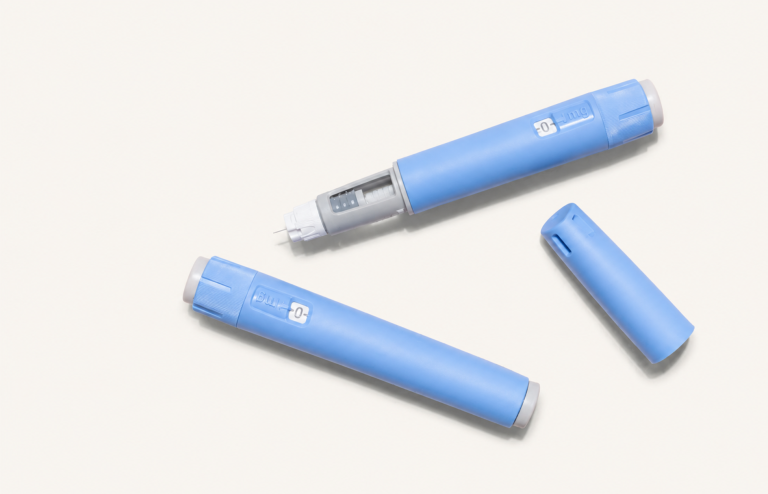
Among them, oral semaglutide represents a breakthrough. It is the first oral GLP-1 receptor agonist available for T2DM treatment. In contrast, dulaglutide requires a once-weekly subcutaneous injection.
Although both drugs show strong clinical benefits, their payment status in Taiwan differs. Taiwan’s National Health Insurance reimburses dulaglutide. However, patients must pay out of pocket for oral semaglutide. This difference has raised important policy questions.
To address this gap, researchers developed a Markov decision-analytic model. They evaluated the long-term cost-effectiveness of oral semaglutide versus dulaglutide. The study adopted the perspective of Taiwan’s healthcare payer.
The model simulated patient outcomes over a 10-year horizon. Researchers incorporated transition probabilities, treatment costs, and health utilities. They drew these inputs from clinical trials, national databases, and expert consensus. In addition, they applied a 3% annual discount rate to costs and health outcomes.
The willingness-to-pay threshold was set at US$33,983. This figure reflects Taiwan’s per capita gross domestic product. The team also conducted probabilistic and one-way sensitivity analyses to test robustness.
The results were striking. Oral semaglutide generated 9.36 quality-adjusted life years, or QALYs. Dulaglutide generated 9.03 QALYs. Therefore, oral semaglutide delivered an additional 0.33 QALYs per patient.
At the same time, oral semaglutide reduced overall costs. Total treatment costs reached US$31,653 for oral semaglutide. Dulaglutide cost US$32,790 over the same period. This difference produced savings of US$1,137 per patient.
The incremental cost-utility ratio was negative US$3,478.66 per QALY. In health economics, a negative ratio indicates dominance. In other words, oral semaglutide both saves money and improves health outcomes.
Sensitivity analyses confirmed the strength of these findings. The probability that oral semaglutide is cost-effective reached 96.5% across all willingness-to-pay thresholds. Drug price had the largest impact on cost differences. This effect was especially strong among patients without cardiovascular disease.
Beyond individual outcomes, the national implications are substantial. Researchers estimate that switching eligible patients from dulaglutide to oral semaglutide could save approximately US$528 million annually. These savings could ease pressure on Taiwan’s healthcare budget.
The findings are particularly relevant because GLP-1 receptor agonists offer cardiovascular protection. Earlier studies, including the REWIND trial led by Gerstein and colleagues, demonstrated dulaglutide’s cardiovascular benefits. Meanwhile, trials such as PIONEER PLUS have shown strong efficacy for oral semaglutide.
Therefore, the debate is no longer about effectiveness alone. Instead, policymakers must weigh clinical value against financial sustainability. This new analysis suggests that oral semaglutide meets both criteria in Taiwan’s setting.
Importantly, the study highlights Taiwan’s relatively lower unit price for oral semaglutide compared with other regions. This pricing structure enhances its economic attractiveness. Although oral semaglutide requires daily dosing, its cumulative value offsets acquisition costs.
The authors conclude that oral semaglutide represents a cost-saving strategy for managing T2DM. They argue that Taiwan’s National Health Insurance should consider adding it to the reimbursed formulary. Doing so could optimize resource allocation and expand patient access.
However, the researchers also call for further investigation. Future studies should incorporate real-world data. They should also include indirect costs such as lost productivity. Moreover, upcoming GLP-1 agents like tirzepatide and orforglipron warrant economic evaluation.
Overall, the study provides strong evidence for healthcare decision-makers. Oral semaglutide improves quality-adjusted survival while lowering total costs. As diabetes prevalence continues to rise, cost-effective therapies will play a critical role.
In summary, this analysis positions oral semaglutide as both clinically superior and economically favorable compared with dulaglutide in Taiwan. Consequently, expanding access to oral GLP-1 therapy could deliver better outcomes for patients and sustainable savings for the healthcare system.
Reference
Hsu, H.-Y., & Shi, H.-Y. (2026). Cost-effectiveness of oral semaglutide versus subcutaneous dulaglutide for type 2 diabetes mellitus from the Taiwanese healthcare payer perspective. Diabetes Research and Clinical Practice. Advance online publication. https://www.sciencedirect.com/science/article/abs/pii/S0168822726001051