
Novo Nordisk Taps Omnicom to Lead US Marketing for Ozempic and Wegovy

Novo Nordisk has a new media partner. The drugmaker just named Omnicom as its agency of record for US advertising. This ends a six-year run with WPP, which had handled the account since 2020.
The switch lands at a busy moment for the company. Novo Nordisk has been pouring money into promoting its GLP-1 receptor agonists, namely Ozempic and Wegovy. That spending doesn’t appear to be slowing down anytime soon.
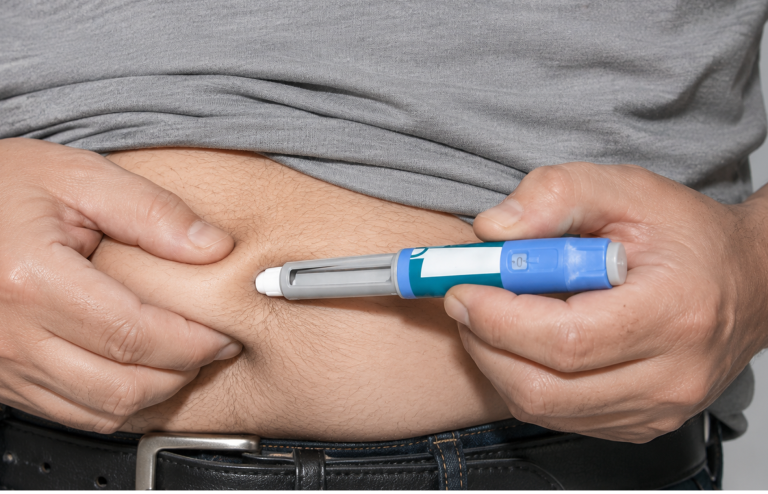
So what exactly do these drugs do? Both work by mimicking a hormone your body already produces. That hormone helps control appetite, insulin release, and blood sugar. The FDA has approved Ozempic for managing type 2 diabetes. Wegovy, meanwhile, has approval for chronic weight management. You need a prescription for either one.
Liz Skrbkova leads US media and stakeholder relations at Novo Nordisk. She said the company wants to keep building its consumer-facing strategy. It also wants to reach patients through newer channels. That tracks with a broader industry shift. Pharmaceutical companies everywhere have been leaning harder into direct-to-consumer advertising, and Novo Nordisk sits near the front of that pack.
Just how much money are we talking about? Reuters reports that Novo Nordisk spent close to $500 million on Wegovy and Ozempic ads during the first nine months of 2025. That’s more than double what rival Eli Lilly spent over the same period.
Some of that budget went toward a memorable moment. Novo Nordisk ran its first-ever Super Bowl ad earlier this year. The spot put the spotlight squarely on the oral version of Wegovy.
That detail matters more than it might seem at first glance. Company executives call it the only oral GLP-1 medicine built on their patented delivery technology. Getting a peptide-based drug to survive in pill form is genuinely difficult. These medications typically break down in the digestive tract, which is exactly why most GLP-1 treatments come as injections instead. The approval for the oral formulation rested on data from the OASIS clinical trial program. An oral drug that survives digestion and still delivers results counts as a real manufacturing win.
There’s a seasonal angle here too. Novo Nordisk executives have noted that interest in losing weight rises and falls throughout the year. Demand tends to spike around New Year’s resolutions. So the timing of this agency switch probably isn’t a coincidence. It could signal a bigger marketing push once that seasonal demand kicks in.
Omnicom, for its part, has been on quite a run lately. The agency closed a roughly $9 billion all-stock acquisition of Interpublic Group in November 2025. That deal made Omnicom the largest advertising and marketing holding company in the world. Revenue over the past twelve months reached $22.37 billion. Second-quarter 2026 sales alone hit $6.56 billion, up 63.4% from the year before.
It’s worth remembering that drug advertising doesn’t operate in a regulatory vacuum. The FDA requires drug marketing and advertising to present a fair balance between how well a medication works and its risks. Companies also must disclose meaningful side effect information alongside their marketing claims. As GLP-1 ad spending climbs, scrutiny over how these drugs get promoted tends to climb right along with it.
Cost and access remain real sticking points. GLP-1 drugs aren’t cheap. Their price varies widely depending on your insurer, whether that’s Medicare, Medicaid, or a private plan. Some public health experts worry that heavy advertising could outpace what patients can actually afford or access.
For now, this deal puts Omnicom in charge of media strategy for one of the most heavily marketed drug categories in the country. Given how competitive the obesity and diabetes treatment market has become, the advertising isn’t likely to quiet down anytime soon.

One Comment