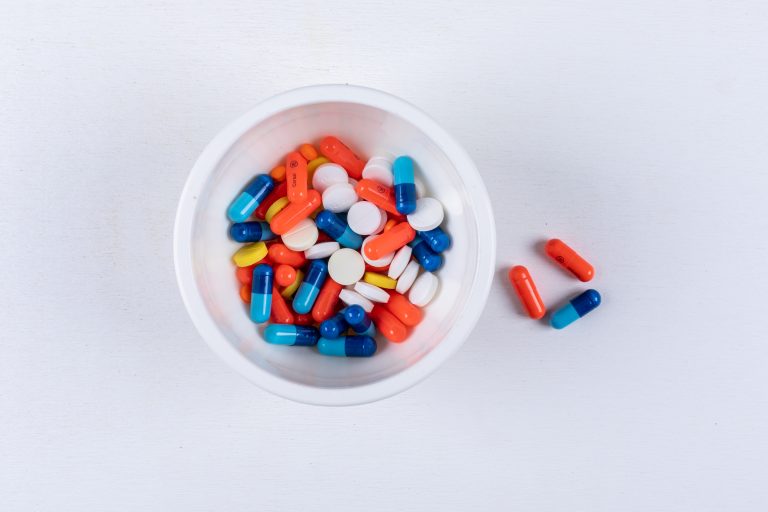
S-CELL Introduces Next-Generation GLP-1 Synbiotic

Driven by the growing popularity of prescription weight-loss and diabetes injections, consumer interest in boosting the appetite-regulating hormone GLP-1 has surged. To take advantage of this trend, biotechnology firm S-CELL has introduced a new daily oral dietary supplement designed to stimulate the body’s natural production of GLP-1. Unlike prescription medications, this over-the-counter pill aims to support metabolic health through a natural gut process rather than synthetic hormone replacement.
The supplement features two main ingredients focused on gut health that work together in your digestive system. The first ingredient comes from a beneficial gut bacterium that prompts specialized intestinal cells to release natural GLP-1. The second ingredient delivers a targeted compound directly into the colon to strengthen and support the gut lining, with the goal of improving overall cellular health.
While these individual ingredients show promise in broader health research, S-CELL has not published human clinical studies on this specific formula. As a result, there is currently no direct evidence that this product lowers blood sugar or promotes weight loss. This lack of clinical testing in humans is an important detail for both healthcare providers and patients to consider before trying the product.

Medical professionals point out a key difference between natural hormone stimulation and prescription therapies. Natural GLP-1 stimulated by a supplement breaks down quickly within minutes, while prescription GLP-1 medications provide a strong, synthetic hormone mimic designed to remain active for days. Because natural GLP-1 degrades so fast, even a measurable boost from an oral pill is unlikely to achieve the significant clinical results of prescription injections.
Although manufactured in clean, regulated facilities that follow official safety guidelines, consumers need to navigate the regulatory landscape carefully. The product has regulatory certificates that allow for legal sale, but this does not mean it has government approval for effectiveness. Dietary supplements do not undergo the strict pre-market health agency reviews required for prescription drugs. This means the company is completely responsible for ensuring its advertising is truthful.
Moreover, some individuals are considering this supplement to enhance their existing prescription weight-loss medications. Due to a complete lack of safety testing on combined use, consulting a physician first is essential to avoid unwanted gastrointestinal side effects. Health officials also strongly advise against using unverified or counterfeit metabolic products sold online, as current prescription shortages have driven consumers toward riskier options.
In the end, over-the-counter supplements cannot replace a thorough, medically supervised healthcare plan or a healthy lifestyle. As the wellness market expands rapidly, consumer watchdogs continue to push for stricter testing, clearer labeling, and solid laboratory evidence. Clear labels and stronger science will help shoppers see beyond the marketing, avoid confusion, and make safe, informed choices that truly support their daily health goals.