Medicare is Finally Covering Weight-Loss Drugs: What You Need to Know
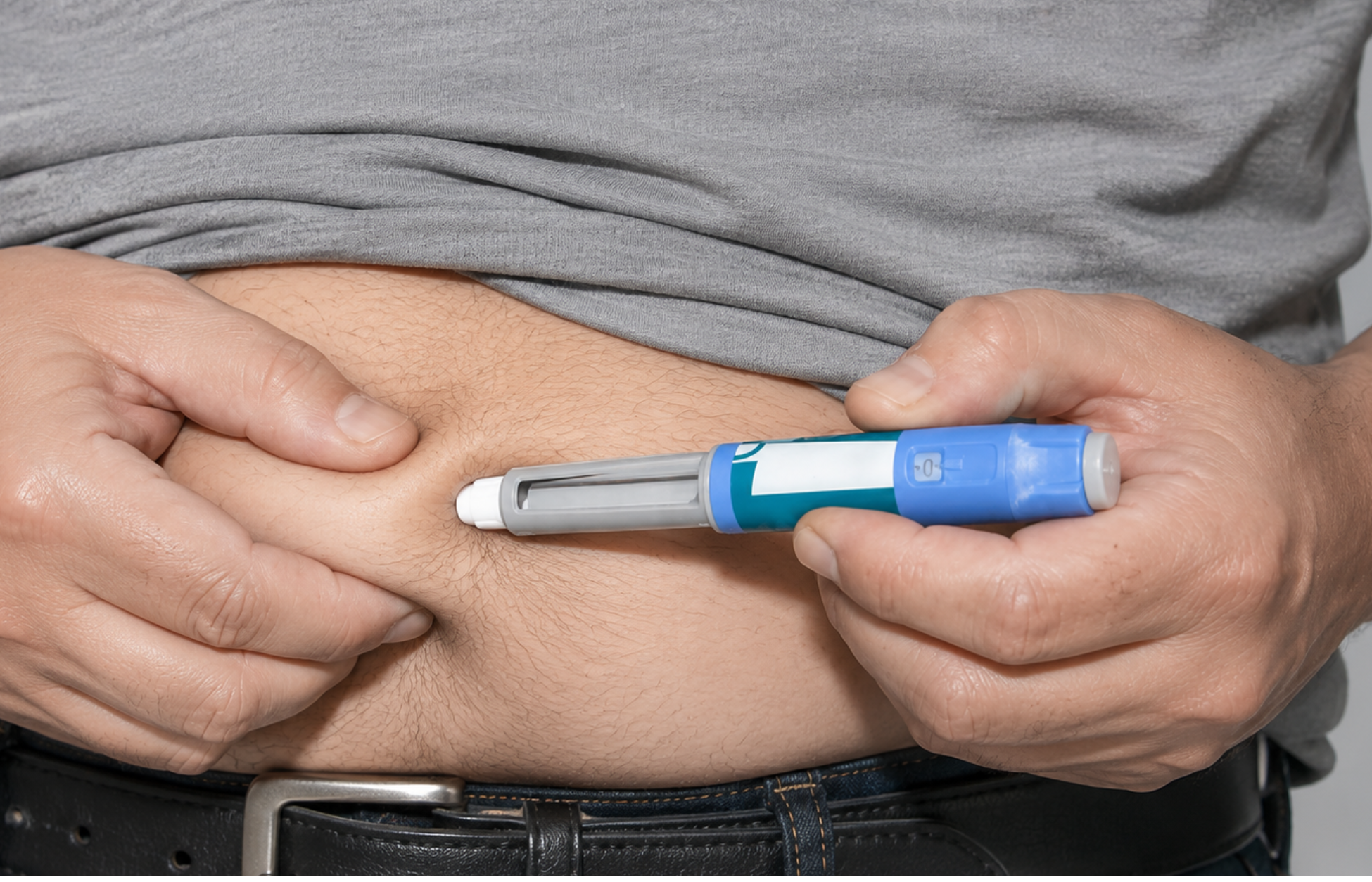
About one in eight adults now takes a GLP-1 drug to help lose weight. For years, though, Medicare users were left out in the cold. Federal law actually blocked prescription plans from covering drugs used only for weight loss. As a result, millions of people with obesity had to pay high prices out of pocket or skip treatment altogether.
That rule changed on July 1, 2026, with the launch of a new pilot called the GLP-1 Bridge Program. Running through December 31, 2027, this program gives plan members access to weight-loss medications for the very first time. Instead of relying on individual insurance plans, centralized administrators handle all the approvals, claims, and pharmacy payments.
The program applies across all prescription plans. To get coverage, your doctor must submit a request showing you meet certain weight and health guidelines. You can qualify with a BMI of 35 or higher on weight alone, or with a BMI of 27 or higher if you also have a related health condition like high blood pressure or heart disease.

The program covers specific brand-name options, including Wegovy, Foundayo, and the Zepbound KwikPen. You pay a flat $50 copay per month for any covered drug, and your doctor starts the process by submitting clinical paperwork directly to the central program.
However, there is an important cost catch to keep in mind. Because this pilot runs outside standard drug plans, your $50 copays do not count toward your plan’s annual deductible or maximum out-of-pocket limits. If you take several other expensive prescription drugs, you will want to factor this extra cost into your yearly budget.
GLP-1 medications work by mimicking natural gut hormones that slow down digestion, control appetite, and keep blood sugar steady. Most people lose about 14% to 20% of their body weight over a year. However, stopping the medication usually causes the weight to come back, which is why doctors view these as long-term treatments that require ongoing checkups. Nausea, stomach upset, vomiting, and diarrhea are common side effects that cause some people to stop taking them.
Government officials are tracking participation and spending closely throughout this pilot. How well the program goes will decide whether Medicare makes weight-loss drug coverage permanent in the future.