Lilly Bets Big on Obesity Pill, Leaving Peptron Deal in Limbo

Eli Lilly and Company is accelerating its push into the fast-growing obesity drug market. However, its renewed focus on an oral treatment is raising doubts about a potential partnership with South Korea’s Peptron. The shift signals a strategic pivot that could reshape both companies’ futures.
Lilly is concentrating resources on its oral obesity candidate, orforglipron. The company has already built significant inventory ahead of a possible launch. Executives have described the pill as a core growth driver. As a result, investors now question whether Lilly still needs a long-acting injectable platform from Peptron.
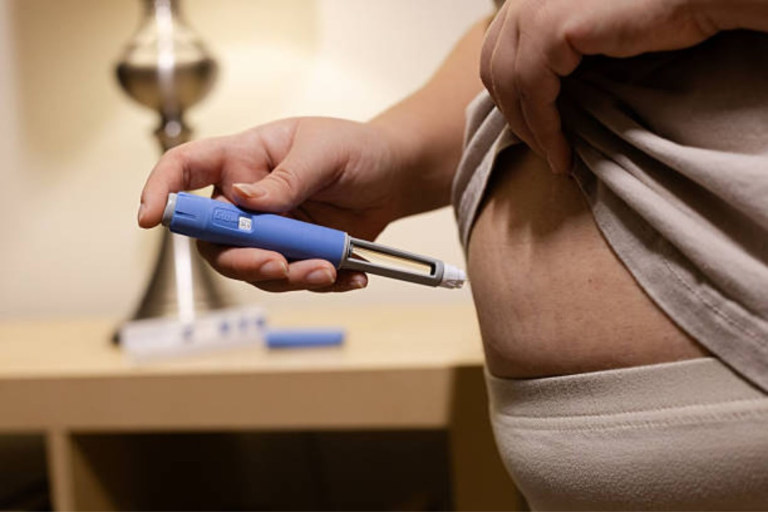
Previously, the two companies signed a non-binding technology evaluation agreement. The deal centered on Peptron’s SmartDepot drug delivery system. That platform allows peptide medicines to release slowly over weeks or months. Therefore, it could reduce dosing frequency for injectable obesity treatments.
At first, markets reacted with excitement. Peptron’s share price surged after announcing the evaluation agreement. Investors expected a full technology transfer contract. Moreover, many believed the partnership would validate Peptron’s drug delivery capabilities globally.
However, the timeline has stretched. The original evaluation period has been extended. This extension created fresh uncertainty around the final outcome. In addition, the agreement allows Lilly to withdraw with short notice because no binding contract exists.
Meanwhile, Lilly’s leadership continues to emphasize its oral strategy. During recent earnings calls, CEO David Ricks repeatedly highlighted orforglipron. He outlined plans for a U.S. launch in the second quarter of this year. He also discussed broader global expansion in 2027. Notably, he did not mention the SmartDepot collaboration.
This silence speaks volumes. Companies usually spotlight strategic partnerships during investor briefings. Instead, Lilly underscored manufacturing readiness and supply preparation for its pill. The company reportedly accumulated about $1.5 billion in pre-launch inventory. Most of that stockpile supports the oral drug rollout.
The emphasis reflects a broader industry trend. Patients increasingly prefer pills over injections. Oral treatments offer convenience and discretion. Consequently, they may unlock new demand among people hesitant to use injectables.
The global obesity drug market is expanding rapidly. Injectable GLP-1 therapies have dominated so far. Yet oral options could widen access and accelerate adoption. Therefore, pharmaceutical companies are racing to secure first-mover advantage in this segment.
Lilly faces competition from Denmark-based Novo Nordisk, which already markets leading obesity therapies. Both firms are investing heavily in next-generation formulations. However, Lilly appears determined to differentiate itself with a scalable oral product.
Against this backdrop, Peptron faces mounting pressure. The company continues to promote SmartDepot as a versatile platform. It argues that the technology can extend the release of peptide drugs effectively. Furthermore, it sees applications beyond obesity treatments.
Peptron has also moved ahead with infrastructure expansion. It secured approval to build a second manufacturing plant in Cheongju, South Korea. The facility is expected to begin operations in 2027. Management says the expansion will strengthen production capacity and global competitiveness.
Nevertheless, financial challenges remain. Peptron has reported negative operating cash flow in recent quarters. Sales remain modest relative to its market valuation. As a result, much of its stock performance hinges on expectations of a major licensing agreement.
If Lilly finalizes a full technology transfer deal, Peptron could secure milestone payments and long-term royalties. Such an agreement would likely validate SmartDepot internationally. It would also support further research and expansion.
Conversely, if Lilly walks away, Peptron may face a sharp market correction. Investors could reassess growth assumptions quickly. Moreover, raising capital could become more difficult without a global partner.
Lilly’s next milestone involves regulatory review. The company awaits a decision from the U.S. Food and Drug Administration on orforglipron. Approval would position Lilly strongly in the oral obesity segment. It could also shift industry momentum toward pills rather than injections.
Therefore, the coming months carry high stakes for both sides. Lilly aims to secure leadership in a multibillion-dollar market. Peptron seeks validation and stability through partnership. Each company must navigate evolving investor expectations.
Importantly, Lilly’s broader obesity pipeline remains robust. The company is developing additional next-generation candidates. This diversified approach reduces reliance on any single technology. Consequently, Lilly holds strategic flexibility even without SmartDepot.
Peptron, however, depends more heavily on external collaboration. Its growth model centers on licensing proprietary delivery platforms. Thus, the outcome of discussions with Lilly carries outsized significance.
For now, both companies continue evaluations and negotiations. Neither side has announced a definitive decision. Still, market signals suggest Lilly’s priorities have shifted toward oral innovation.
In the fast-moving obesity drug race, speed and convenience matter. Oral therapies promise both. As competition intensifies, strategic focus will determine long-term winners.
Ultimately, Lilly’s commitment to orforglipron may redefine expectations across the sector. Meanwhile, Peptron must prove that its technology delivers enduring value. Investors will watch closely as regulatory decisions and partnership talks unfold.