GLP-1 Weight Loss and Diabetes Drugs Look Safe for People Battling Opioid Addiction
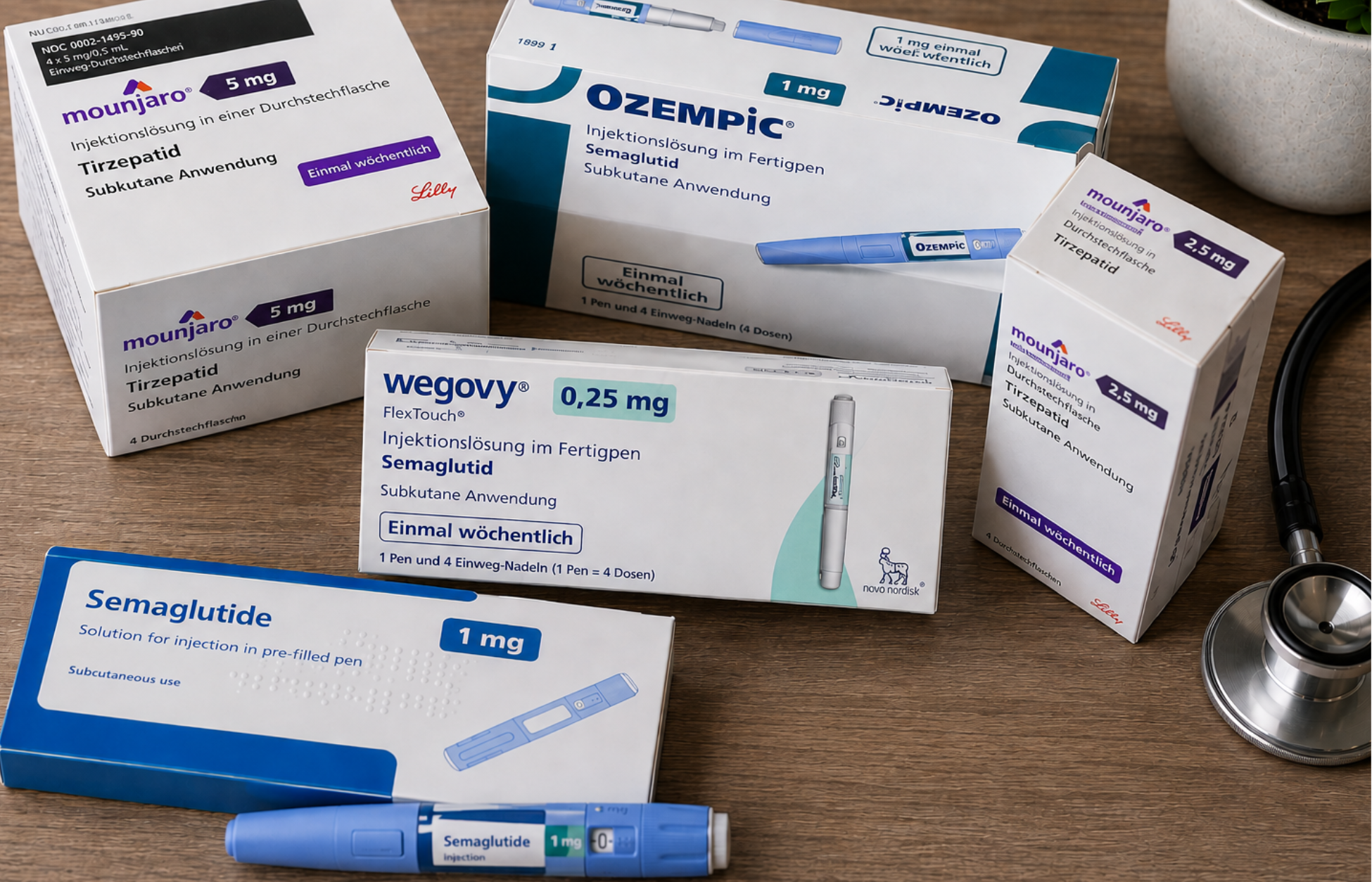
If you have been following health news, you have probably heard about GLP-1 drugs like Ozempic, Wegovy, and Mounjaro. These medications have become very popular for treating obesity and type 2 diabetes.
For years, however, doctors were careful about prescribing them to people with opioid use disorder. The main reason was a lack of research. Most clinical trials excluded people with active substance use. As a result, doctors had little evidence about how these medications might affect that group or whether they could cause unexpected side effects.
A recent study just changed that, and the takeaway is really reassuring. These popular medications do not appear to carry extra health risks for people managing opioid addiction.
To find the answers, researchers analyzed real-world health insurance records. They followed thousands of people with opioid use disorder who started taking GLP-1 medications for diabetes or weight loss. The team tracked patients over time to see how the drugs affected their health.
They looked at 10 physical and mental health conditions. These included serious stomach problems, kidney damage, anxiety, depression, and suicidal thoughts. By comparing these outcomes, researchers were able to better understand the safety of GLP-1 medications in this group.
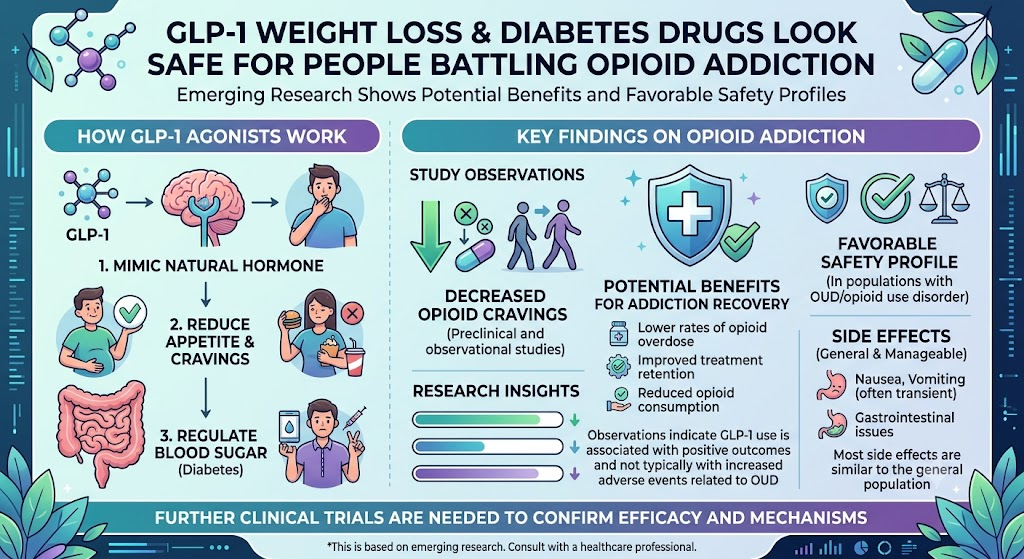
Across the board, the results brought good news. GLP-1s showed no increased risk of physical or emotional harm. In fact, patients on these medications actually had a thirty-five percent lower risk of developing pancreatitis compared to those not taking them. Despite common concerns about GLP-1s slowing down digestion, there was no added risk of severe stomach issues or kidney problems. On top of that, patients on the drugs reported lower rates of anxiety and fewer trouble-sleeping nights.
This is a big deal for patient care. When someone is in recovery for opioid addiction, doctors have to be extra cautious with new prescriptions, fearing that side effects like stomach discomfort or mood swings might destabilize a patient. This research gives clinicians the confidence to safely treat conditions like type 2 diabetes and obesity in this population.
Keep in mind, this study focused purely on whether GLP-1s are safe to take for metabolic health. It did not test whether these medications can actually help treat opioid addiction itself, though scientists are actively researching that possibility right now.