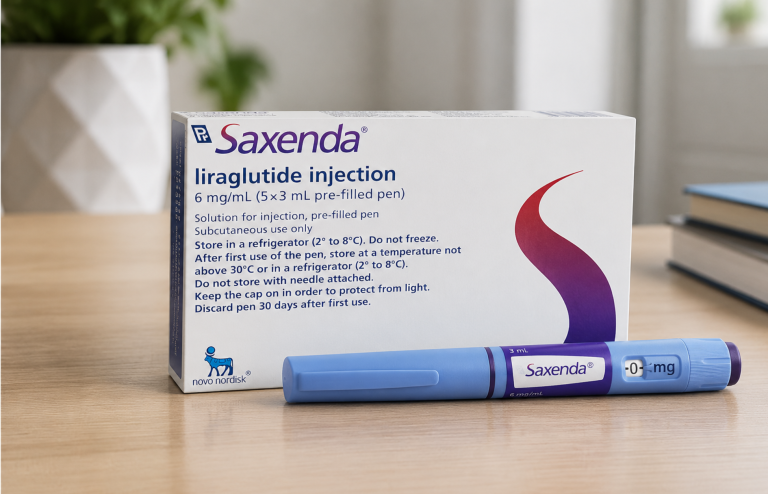
Nutritional Strategy for Individuals Using GLP-1 Receptor Agonists: Essential Grocery Staples
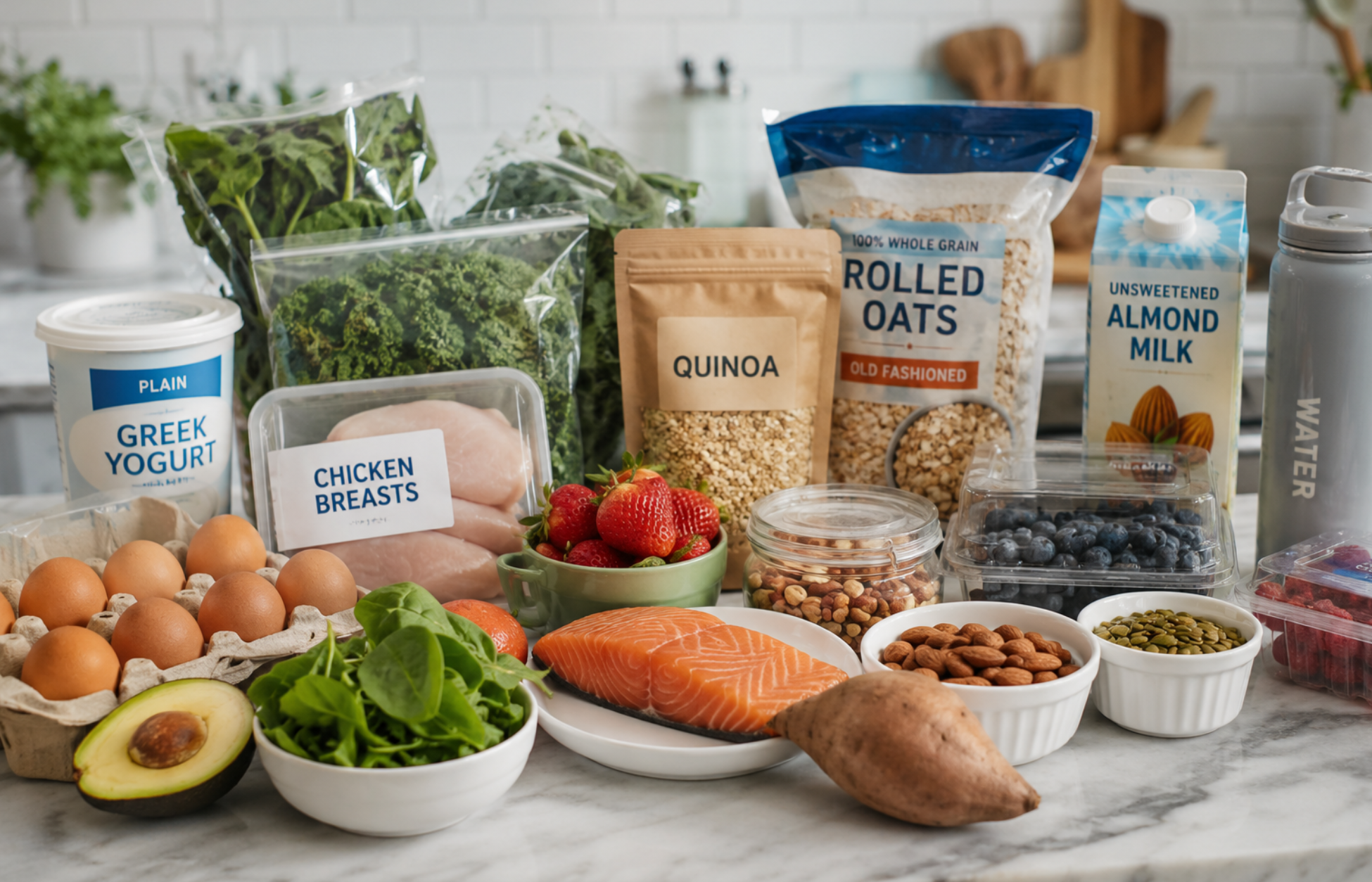
Glucagon-like peptide-1 receptor agonists have transformed the pharmacologic management of obesity and type 2 diabetes. These therapeutic agents slow gastric emptying and suppress appetite through central pathways. Consequently, patients experience an immediate and substantial reduction in daily caloric intake. Clinicians must address the resulting dietary deficits through structured nutritional planning.
Reduced food intake frequently compromises the consumption of essential protein, fiber, and micronutrients. Lean tissue preservation requires consistent dietary protein, especially during rapid weight loss. Furthermore, medication side effects like nausea often deter patients from eating dense foods. In light of this, deliberate grocery selection serves as an essential clinical intervention.
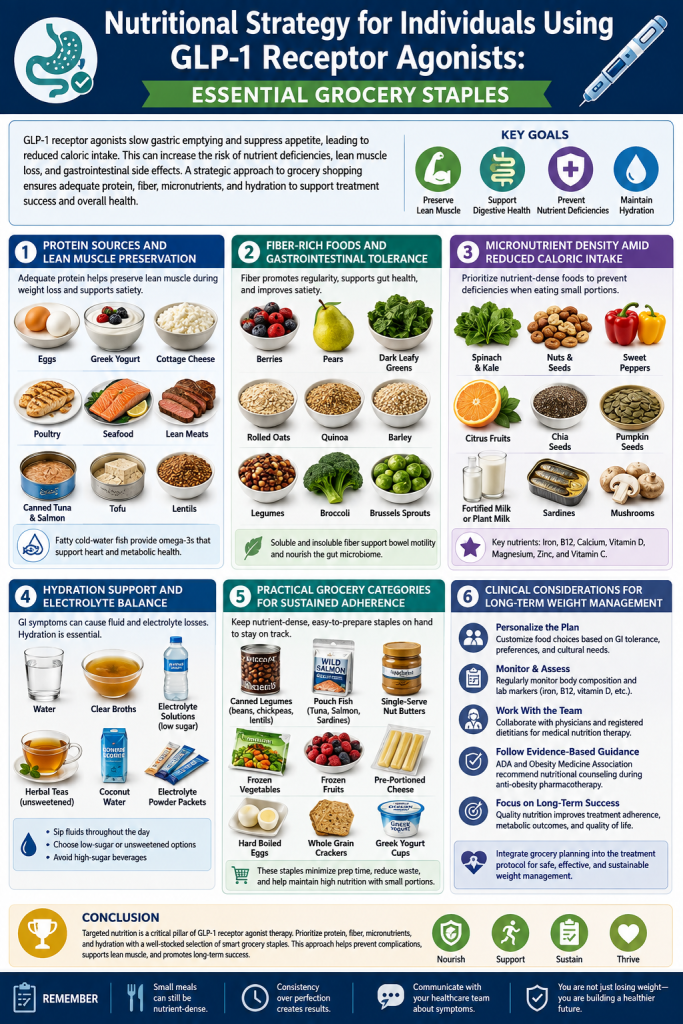
Protein Sources and Lean Muscle Preservation
Adequate protein intake mitigates the loss of lean skeletal muscle during treatment. Clinical trials show that untreated individuals may lose substantial fat-free mass alongside adipose tissue. Eggs, Greek yogurt, and cottage cheese provide convenient protein options requiring minimal culinary effort. These compact foods deliver essential amino acids efficiently despite diminished patient appetite.
Poultry, seafood, and lean meats supply high-quality protein without excessive caloric density. Canned tuna and salmon offer shelf-stable solutions for individuals who experience persistent treatment fatigue. Notably, fatty cold-water fish provides beneficial omega-3 fatty acids that support cardiovascular health. Plant proteins such as tofu and lentils offer excellent alternatives for vegetarian patients.
Fiber-Rich Foods and Gastrointestinal Tolerance
Dietary fiber supports regular bowel motility throughout the course of pharmacotherapy. Delayed gastric transit frequently induces severe constipation in newly treated patients. Therefore, clinicians advise distributing soluble and insoluble fiber evenly across daily meals. Fresh berries, pears, and dark leafy greens supply vital fiber alongside protective micronutrients.
Whole grains like rolled oats, quinoa, and barley provide steady complex carbohydrates. These grains release glucose slowly into circulation, which complements the metabolic action of agonist medications. Meanwhile, legumes deliver both soluble fiber and plant protein in a single compact portion. In addition, colonic fermentation of these fibers nourishes the intestinal microbiome.
Micronutrient Density Amid Reduced Caloric Intake
Sharply reduced meal volumes heighten the risk of critical micronutrient deficiencies. Patients often fail to consume adequate iron, vitamin B12, calcium, and vitamin D. Therefore, individuals must prioritize nutrient-dense whole foods over energy-dense items with low nutritional value. Dark greens like spinach and kale supply bioavailable minerals with minimal caloric impact.
Nuts and seeds deliver concentrated doses of essential fatty acids and trace minerals. Small daily servings align well with the early satiety that characterizes these medications. Furthermore, citrus fruits and sweet peppers supply ascorbic acid to enhance non-heme iron absorption. Strategic food pairings optimize nutrient absorption without requiring patients to increase portion sizes.
Hydration Support and Electrolyte Balance
Adequate fluid intake requires active management during incretin-based pharmacotherapy. Common gastrointestinal symptoms like emesis and diarrhea can induce rapid dehydration and electrolyte depletion. In view of this, clear broths and oral electrolyte solutions provide vital support. Patients must consume plain water consistently across the day to maintain optimal renal perfusion.
Low-sugar electrolyte formulas support fluid retention during acute gastrointestinal episodes. However, high-sugar beverages introduce excess calories that directly undermine metabolic treatment goals. Clinicians therefore steer patients toward unsweetened hydration sources to protect glycemic control. Unsweetened herbal teas offer flavorful variety without introducing unwanted simple carbohydrates.
Practical Grocery Categories for Sustained Adherence
Shelf-stable staples facilitate strict dietary adherence when patients lack the energy to cook. Canned legumes, pouch-packaged fish, and single-serve nut butters offer high nutrient density with zero preparation. Frozen vegetables and fruits retain peak micronutrient levels while preventing food spoilage from smaller household consumption. Pre-portioned cheeses and boiled eggs match the smaller eating patterns of treated patients.
Whole grain crackers provide an efficient vehicle for protein spreads and healthy fats. Greek yogurt containers and fortified shakes provide accessible nutrition when appetite drops significantly. Accordingly, stocking nutrient-dense staples prevents patients from consuming ultra-processed convenience foods. This practical strategy maintains dietary quality despite sharp reductions in total food volume.
Clinical Considerations for Long-term Weight Management
Long-term weight management requires comprehensive interventions that extend beyond medication administration alone. Overall dietary composition directly determines the ultimate quality and durability of patient weight loss. Because personal food tolerances vary, clinicians must customize grocery lists around specific gastrointestinal symptoms. Registered dietitians provide specialized medical nutrition therapy within multidisciplinary clinical teams.
Routine surveillance of body composition and laboratory biomarkers identifies emerging nutrient deficiencies early. Both the American Diabetes Association and the Obesity Medicine Association recommend formal nutritional counseling during anti-obesity pharmacotherapy. Given this guidance, physicians should integrate grocery planning directly into the medical treatment protocol. Coordinated clinical care significantly improves long-term metabolic outcomes and treatment retention.
Conclusion
Targeted nutritional strategy represents a mandatory pillar of GLP-1 receptor agonist therapy. Nutrient-dense proteins, fibrous produce, and structured hydration protocols prevent common medication complications. Maintaining a curated kitchen inventory supports patient compliance during periods of pronounced appetite suppression. Healthcare providers must incorporate practical grocery guidance into standard outpatient management.
As clinical indications for these medications expand, nutritional support remains vital for patient health. Emerging clinical research will establish definitive protein thresholds and micronutrient monitoring standards for practice. Until then, evidence-based nutrition principles offer the most reliable framework for patient care. Active collaboration between medical providers and dietitians ensures safe and sustainable therapeutic results.
References
American Diabetes Association. (2024). Standards of care in diabetes 2024. Diabetes Care, 47(Supplement 1), S1 to S321. https://doi.org/10.2337/dc24-SINT
Jastreboff, A. M., Aronne, L. J., Ahmad, N. N., Wharton, S., Connery, L., Alves, B., Kiyosue, A., Zhang, S., Liu, B., Bunck, M. C., Stefanski, A., & SURMOUNT-1 Investigators. (2022). Tirzepatide once weekly for the treatment of obesity. New England Journal of Medicine, 387(3), 205 to 216. https://doi.org/10.1056/NEJMoa2206038
U.S. Food and Drug Administration. (2023). FDA approves new medication for chronic weight management. https://www.fda.gov/drugs/news-events-human-drugs/fda-approves-new-medication-chronic-weight-management
Wilding, J. P. H., Batterham, R. L., Calanna, S., Davies, M., Van Gaal, L. F., Lingvay, I., McGowan, B. M., Rosenstock, J., Tran, M. T. D., Wadden, T. A., Wharton, S., Yokote, K., Zeuthen, N., & Kushner, R. F. (2021). Once weekly semaglutide in adults with overweight or obesity. New England Journal of Medicine, 384(11), 989 to 1002. https://doi.org/10.1056/NEJMoa2032183