Undiagnosed Diabetes and Prediabetes Present Growing Challenges
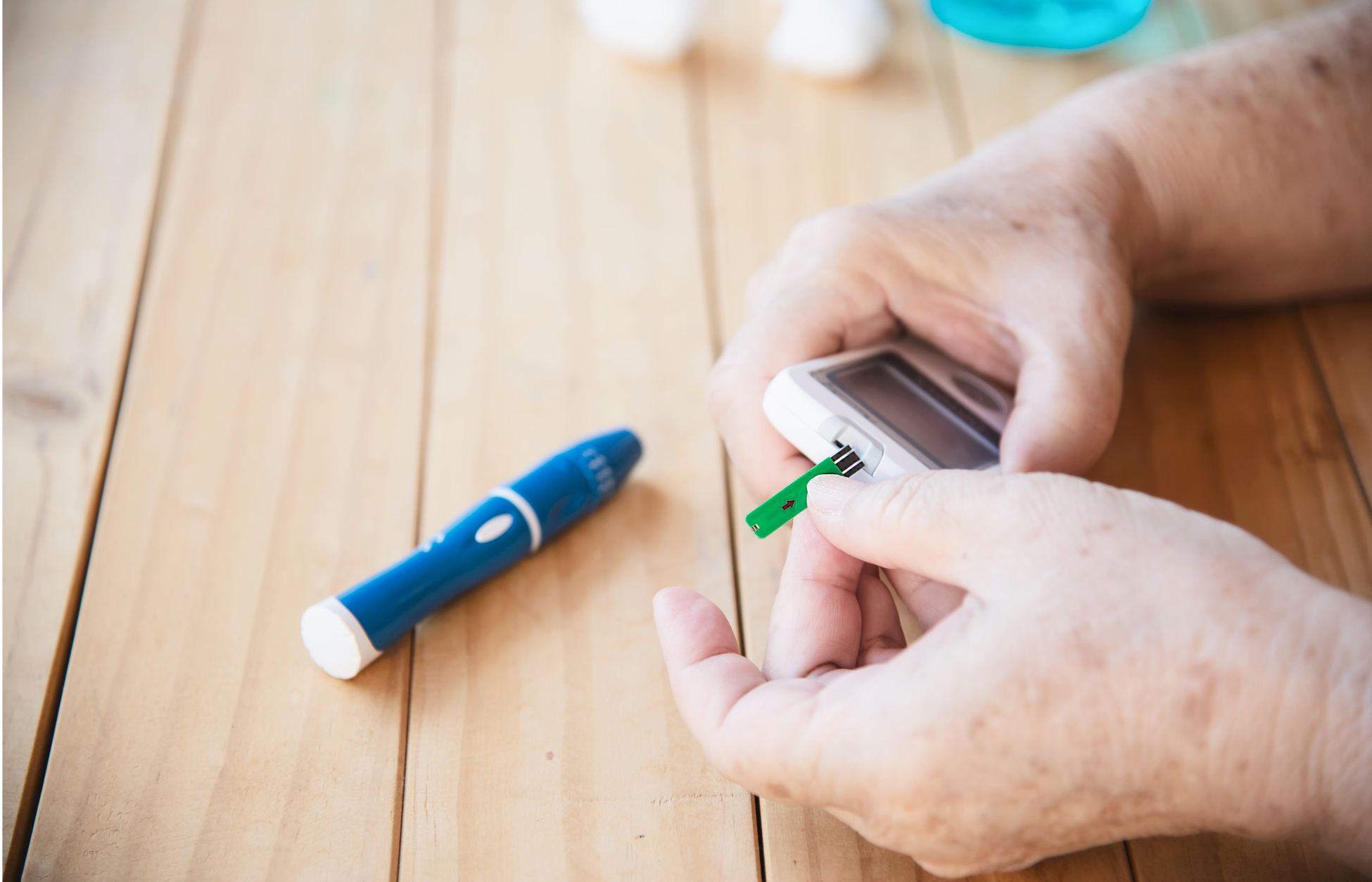
Millions of people are living with high blood sugar without even knowing it. Across the country, more than 40 million adults have diabetes. Nearly 11 million have never received an official diagnosis. The risk also increases with age. It is especially high among adults aged 65 and older.
Prediabetes is an even bigger problem. Around 115 million adults currently have it, but about 8 out of 10 don’t know it. Because prediabetes rarely causes clear warning signs early on, it often stays hidden while slowly getting worse over time. Prediabetes happens when your blood sugar is higher than normal. This often occurs when your body does not use insulin properly. It can also happen when your body does not make enough insulin.
Without early action, up to 7 out of 10 people with prediabetes may eventually develop type 2 diabetes. The good news is that early lifestyle changes can help lower your risk. Several factors can increase your risk of prediabetes. These include getting older, having a family history of diabetes, carrying extra weight, sitting for long periods, and not getting enough physical activity.
Health guidelines suggest that adults between 35 and 70 who carry extra weight should get screened regularly for prediabetes. Catching it early gives you a real chance to turn things around. Making simple, everyday changes like eating healthier foods and moving more can cut your chances of getting diabetes nearly in half. On top of that, many health insurance plans cover structured programs that walk you through these healthy lifestyle choices step-by-step.
Leaving high blood sugar unchecked damages vital organs over time. High blood sugar slowly wears down your blood vessels and nerves, which makes you much more likely to suffer from heart disease, kidney failure, or permanent loss of eyesight. Delayed diagnosis also places a massive financial strain on the healthcare system, driving national medical costs into hundreds of billions of dollars every year. Spotting the condition early helps prevent these expensive, life-changing health problems.
Doctors can spot blood sugar changes quickly with simple, routine blood tests. A fasting blood sugar test checks your sugar levels after you haven’t eaten overnight, while an A1C test shows your average blood sugar levels over the past two to three months. Most health plans cover these basic checkups. If you have risk factors like a family history of diabetes or an inactive routine, ask your doctor for a blood test, even if you feel completely fine today. Early testing is the single best way to protect your long-term health.