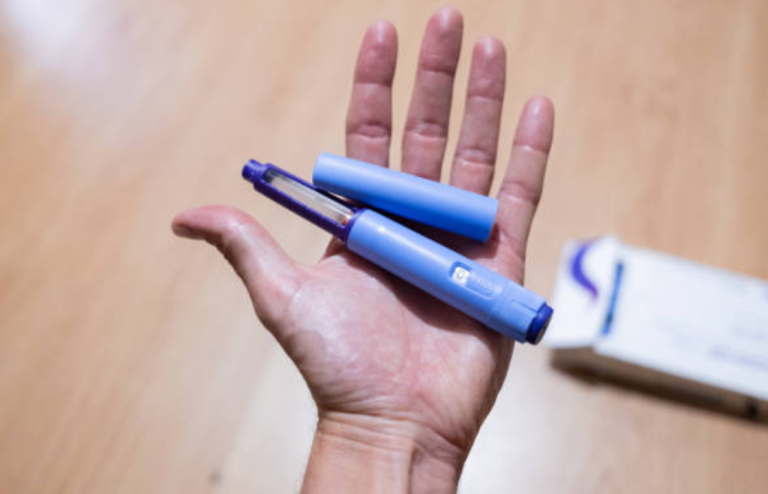
GLP-1 Therapy and Antihypertensive Regimens: Assessing the Risk of Hypotension and Syncope
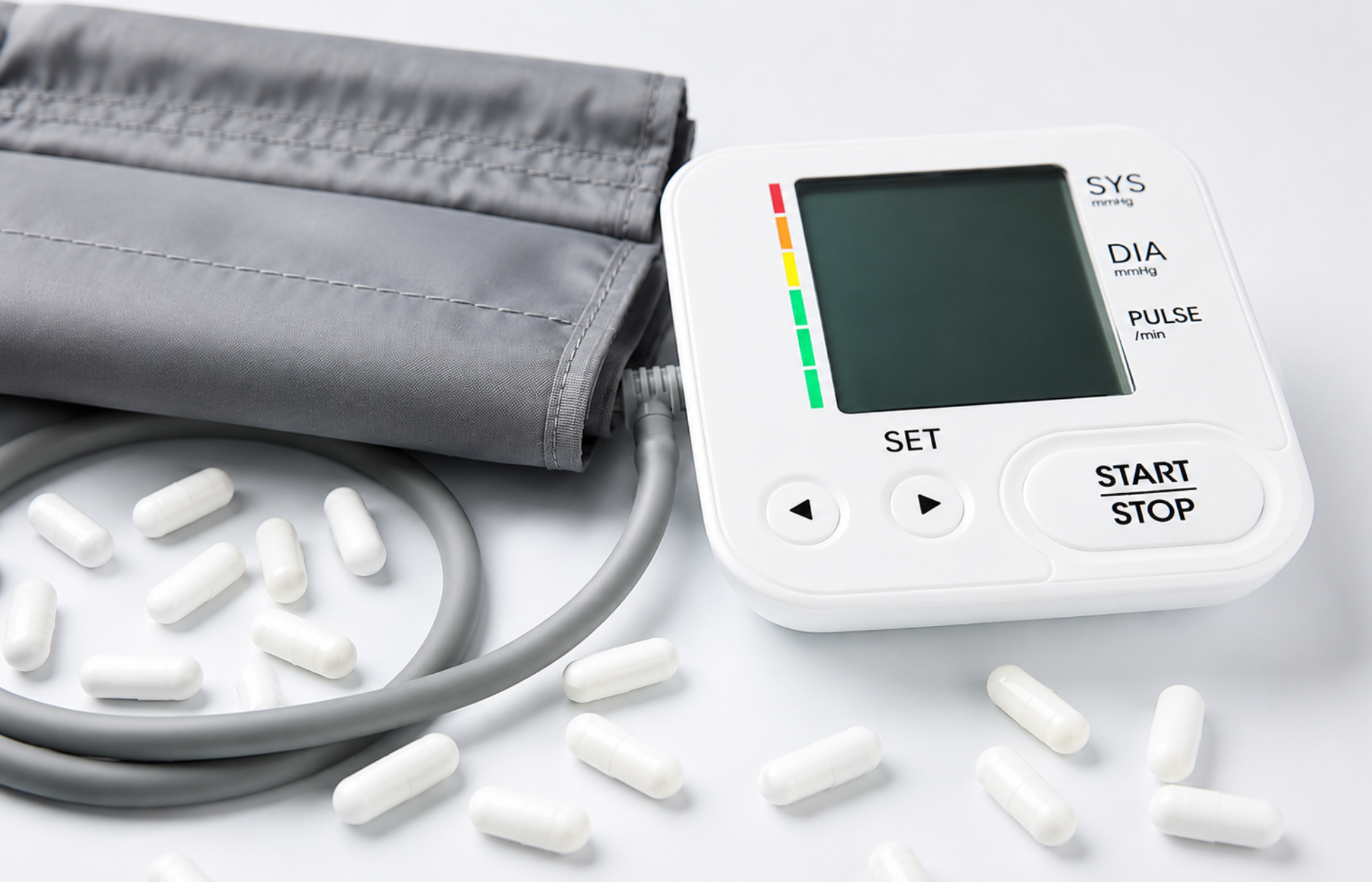
Clinicians are seeing more patients who mix glucagon-like peptide-1 receptor agonist therapy with multiple blood pressure medications. This combination increases the risk of low blood pressure events. Patients often report symptoms such as dizziness, fainting, and falls. New observational data quantify this risk and provide guidance for clinical practice.
Study Findings Link GLP-1 Therapy to Rising Hypotension Rates
A retrospective observational study reviewed 42,262 adults with high blood pressure. All participants took a GLP-1 receptor agonist along with at least two blood pressure medications. Researchers looked at low blood pressure events at six, 12, and 24 months after starting treatment. The rate of these events increased from 8.7 percent to 10.2 percent within six months.
This upward trend continued across all three follow-up periods. Older adults and people with type 2 diabetes had the highest rates of complications. These groups likely have additional risk factors. For example, autonomic dysfunction and existing vascular changes make their clinical profiles more complex.
Diabetic autonomic neuropathy can disrupt normal blood pressure responses. This disruption usually prevents drops in blood pressure when standing up. Therefore, clinicians should be extra cautious when starting treatment. They need to carefully document baseline blood pressure trends and medication loads before therapy begins.
The study design allowed researchers to monitor low blood pressure events over time. This approach strengthens the observed link significantly. The increased risk didn’t show up as a single early warning signal. Instead, it persisted and worsened during the two-year observation period.
Clinical Interpretation of the Data
Investigators described GLP-1 receptor agonists as effective at lowering blood pressure. They stressed that these findings should not discourage medication use. Instead, the data highlight the need for proactive clinical management. This distinction is important for prescribers weighing the heart-related benefits against monitoring needs.
Other experts pointed out that GLP-1 receptor agonists lead to moderate blood pressure drops. For some patients, this effect helps meet overall heart health goals. However, adding therapy to an existing combination of medications might lower blood pressure to an unsafe level. This situation raises the risk of orthostatic symptoms and sudden falls.
Mechanisms Behind GLP-1-Associated Blood Pressure Reduction
Weight loss usually leads to drops in blood pressure. GLP-1 receptor agonists also lower blood pressure through other methods that don’t depend on weight loss. Recent studies show that about 23 percent of this reduction happens independently of weight loss. This suggests direct effects on blood vessels and kidney function.
Proposed mechanisms include widening blood vessels and reducing activity in the sympathetic nervous system. Changes in how the kidneys handle sodium also play a significant part. Each pathway helps lower resistance in the blood vessels. Together, they explain why reductions often exceed what weight loss alone would cause.
GLP-1 receptor activation also happens in the brain. This central activation may influence how the body controls cardiovascular functions. This effect accounts for the reduction observed in early studies. Plus, effects mediated through kidney receptors lower blood volume over time.
Dehydration as a Compounding Factor
Dehydration lowers blood pressure on its own and worsens the effects of therapy. Gastrointestinal side effects like nausea and decreased food intake speed up fluid loss. Additionally, GLP-1 receptor agonists seem to dull the feeling of thirst. This mix of reduced intake and lower thirst heightens the risk of dehydration.
The link between dehydration, weight loss, and blood vessel effects helps explain the risk of low blood pressure. Lower blood volume increases the impact of other blood pressure medications. Patients with ongoing vomiting, diarrhea, or reduced appetite are at higher risk. Clinicians should make hydration status part of regular patient assessments.
Clinical Monitoring and Medication Adjustment Considerations
Blood pressure regimens are often set up before a patient begins significant weight loss. As weight decreases, previously appropriate medication amounts may become too much. This mismatch represents a preventable risk. Regularly reassessing blood pressure medication doses during treatment can prevent avoidable low blood pressure events.
Patients on multiple blood pressure medications need close follow-up. This monitoring should include regular blood pressure checks and systematic symptom screening. Investigators raised concerns about patients who receive prescriptions without enough clinical oversight. Structured supervision helps identify medication mismatches earlier and reduces complications.
Practical Guidance for Symptom Recognition and Prevention
Clinicians suggest several precautions for patients on multiple therapies. Staying well-hydrated reduces the risk of fluid loss. Getting up slowly from sitting or lying down helps the body adjust to changes in blood flow. These simple strategies can help lower the risk of falls.
Patients should reach out to a healthcare provider quickly if they have severe symptoms. Persistent vomiting, fainting, confusion, chest pain, or repeated falls need immediate attention. These symptoms suggest serious low blood pressure that requires changing medication. Even patients without symptoms should proactively discuss low blood pressure risks with their prescriber.
Home blood pressure monitoring also adds a layer of safety. Regular self-checking allows for earlier detection of downward trends before symptoms worsen. Clinicians can use this information to guide slight reductions in medication doses. Structured monitoring plans during dose adjustments can further lessen low blood pressure-related problems.
Clinical Implications for Prescribing Practice
These findings do not undermine the known heart health benefits of these medications. Instead, they highlight an important, manageable safety issue for combination treatments. Certain medications are crucial for modern weight management and blood sugar control. Acknowledging low blood pressure risk lets clinicians maintain benefits while minimizing avoidable harm.
Given the study’s retrospective and observational nature, the mechanisms need further validation. Still, the consistency of event rates across follow-up points boosts confidence in the link. Prescribers should take baseline blood pressure load into account when starting therapy. This risk assessment helps integrate medications more safely into existing treatment plans.
Teamwork among different specialties can also enhance outcomes for complicated patients. Cardiologists can advise on lowering blood pressure medications during treatment. Meanwhile, endocrinologists can manage doses and monitor metabolism. Primary care providers play a central role in spotting early symptoms and coordinating referrals.
Conclusion
New evidence shows that GLP-1 receptor agonists lower blood pressure through various pathways. For patients on multiple blood pressure medications, this effect raises the risk of low blood pressure. Dehydration and reduced thirst perception further increase this risk for vulnerable individuals. Ongoing monitoring and proactive review of medications are practical strategies to reduce harm.
As these medications become more common, careful management will be essential. Future studies on the best ways to adjust blood pressure medication doses could improve clinical guidance. In the meantime, clinicians should view the risk of low blood pressure as a manageable result of effective treatment. This perspective ensures patient safety without creating unnecessary barriers to medication use.
References
Jordan, J., Yumuk, V., & Schlaich, M. (2014). Mechanisms of blood pressure reduction with weight loss. Journal of Human Hypertension, 28(2), 78–83. https://doi.org/10.1038/jhh.2013.72
Neeland, I. J., Marso, S. P., Ayers, C. R., Lewis, B., Oslica, R., Francis, W., Rodder, S., Pandey, A., & Joshi, P. H. (2021). Effects of liraglutide on visceral and ectopic fat in obesity and metabolic disease: A randomized clinical trial. The Lancet Diabetes & Endocrinology, 9(9), 595–605. https://doi.org/10.1016/S2213-8587(21)00179-0