GLP-1 Drugs Could Revolutionise Knee Osteoarthritis Treatment for Patients with Obesity, Study Finds

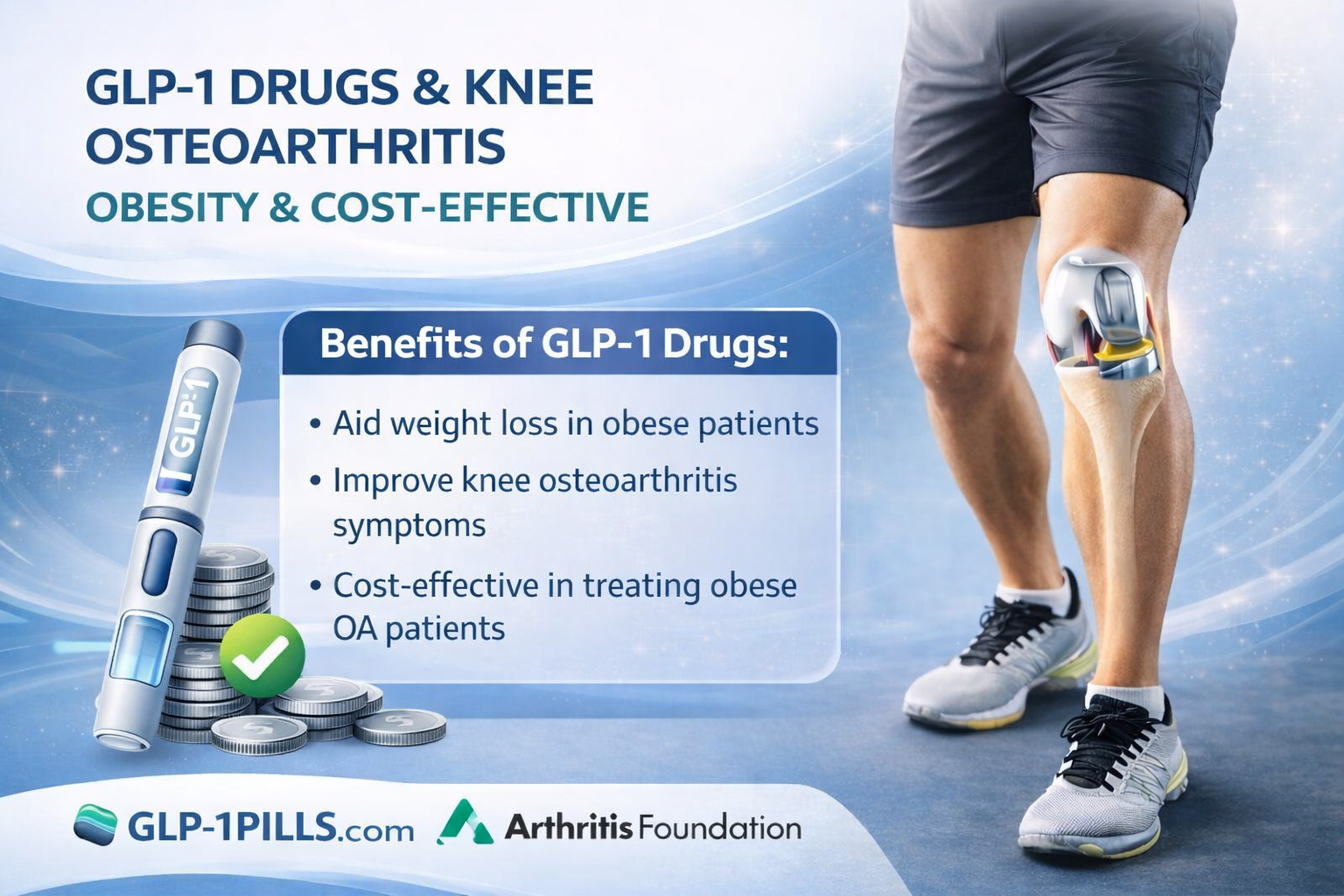
New research suggests that GLP-1 drugs may offer a cost-effective treatment for people with knee osteoarthritis and obesity. The findings could reshape how doctors manage two linked chronic conditions. Experts say weight loss plays a central role in easing joint pain. Therefore, therapies that reduce body weight may also lower long-term healthcare costs.
Researchers at Mass General Brigham led the latest analysis. They examined whether adding GLP-1 medications to standard care delivers value for money. The team focused on patients living with both obesity and knee osteoarthritis. This group often faces limited mobility and rising medical expenses.
Knee osteoarthritis remains one of the leading causes of disability worldwide. At the same time, obesity increases stress on weight-bearing joints. As body weight rises, knee cartilage breaks down faster. Consequently, many patients experience worsening pain and reduced quality of life.
Traditionally, doctors recommend exercise, pain relief medicines, and sometimes surgery. However, these approaches do not always address the root cause. Excess weight continues to strain the joint. Therefore, sustainable weight reduction becomes essential for long-term improvement.
GLP-1 drugs were first developed to treat type 2 diabetes. Later, doctors prescribed them for chronic weight management. These medicines help regulate appetite and blood sugar levels. As a result, patients often achieve significant weight loss.
The study evaluated two leading agents, semaglutide and tirzepatide. Both medications have shown strong weight-loss outcomes in previous trials. However, the new analysis focused on cost-effectiveness rather than weight loss alone. Researchers wanted to know whether the benefits justify the price.
To answer this question, the team used advanced health economic modeling. They compared usual care with treatment plans that included a GLP-1 drug. Then they estimated lifetime healthcare costs and quality-adjusted life years. This method helps policymakers judge whether a therapy provides value.
The results appear promising. Both drugs improved quality of life and reduced obesity-related complications. In addition, weight loss lowered pressure on the knee joint. That reduction may delay the need for joint replacement surgery.
Importantly, the analysis found that these medications can be cost-effective under certain pricing conditions. In other words, long-term health gains may offset upfront drug expenses. Fewer surgeries and hospital visits could generate savings over time. Therefore, the overall economic picture looks more balanced than critics expected.
Among the two options, tirzepatide showed stronger economic value in many scenarios. Researchers found that it produced greater health gains at a competitive cost. This advantage likely reflects its dual hormonal action. Patients often experience larger average weight reductions.
Nevertheless, affordability remains a key concern. GLP-1 drugs carry high list prices in many countries. Even when cost-effective on paper, they can strain public budgets. As a result, access often depends on insurance coverage.
In the United States, coverage decisions from programs like Medicare play a crucial role. Policymakers must balance innovation with fiscal responsibility. If evidence supports long-term savings, broader coverage may follow. However, officials will likely proceed cautiously.
Health economists argue that untreated obesity also generates enormous costs. Patients with severe knee osteoarthritis often require surgery. Recovery can take months and limit independence. Furthermore, complications add financial pressure to families and health systems.
By contrast, sustained weight loss may slow disease progression. Even modest reductions can significantly reduce knee joint load. Studies show that every pound lost decreases stress on the knee. Consequently, pain relief may occur without invasive procedures.
Clinicians also highlight improved mobility as a major benefit. Patients who lose weight often move more freely. Increased activity then supports cardiovascular health. This positive cycle can reduce risks of diabetes and heart disease.
However, experts stress that medication alone is not a cure. Patients still need lifestyle support and physical therapy. Doctors must monitor side effects and long-term adherence. Therefore, integrated care models remain essential.
Critics warn that widespread use could strain supply chains. Demand for GLP-1 drugs has surged globally. Manufacturers continue expanding production capacity. Yet shortages have occurred in some markets.
Despite these concerns, momentum continues to build. Researchers believe that better pricing agreements could improve access. Value-based contracts may link payment to patient outcomes. Such strategies could align incentives for manufacturers and insurers.
Moreover, public perception of obesity treatment is shifting. Many experts now view obesity as a chronic disease. This perspective supports long-term medical management. Consequently, insurers may reconsider restrictive coverage policies.
The study adds weight to that evolving debate. It frames GLP-1 therapy not only as a weight-loss tool but also as a joint health strategy. By connecting obesity treatment with osteoarthritis outcomes, researchers broaden the policy conversation. That shift could influence future clinical guidelines.
Still, further research will strengthen the evidence base. Long-term real-world data will clarify durability of weight loss and pain relief. Policymakers will watch these outcomes closely. Clear data will guide reimbursement decisions.
For patients, the message offers cautious optimism. Effective weight management may ease knee pain and improve daily life. At the same time, economic modeling suggests the approach can make financial sense. Therefore, GLP-1 drugs may represent a meaningful step forward.
In summary, the new analysis highlights a potential turning point in treating knee osteoarthritis and obesity. By combining clinical benefits with economic value, GLP-1 drugs enter a new phase of evaluation. If affordability challenges are addressed, they could transform care pathways. Ultimately, smarter investment today may reduce disability and costs tomorrow.
Reference
Mass General Brigham. (2025, September 15). GLP-1 drugs shown to be cost-effective for knee osteoarthritis and obesity. https://www.massgeneralbrigham.org/en/about/newsroom/press-releases/glp-1-drugs-cost-effective-for-knee-osteoarthritis-and-obesity