Clinical Trial Confirms Significant Weight Loss for Investigational Oral GLP-1 Therapy
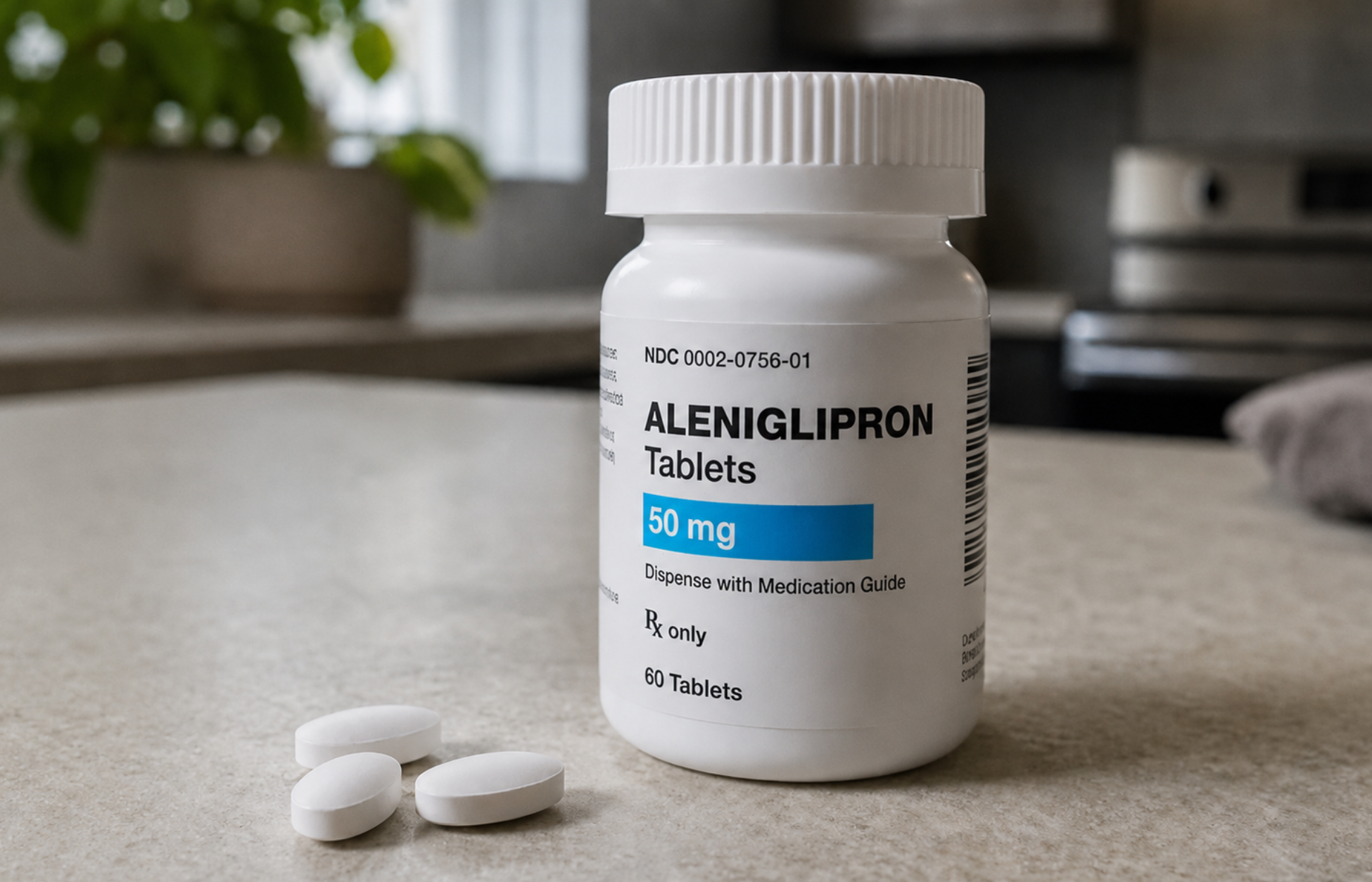
An investigational once-daily pill designed to activate the GLP-1 receptor produced measurable weight loss in a mid-stage clinical trial. Researchers reported that participants lost up to 12 percent of their body weight over 36 weeks. Given this outcome, the drug, known as aleniglipron, may eventually provide an alternative to injectable GLP-1 treatments. Its oral format could also appeal to individuals who prefer not to use injections.
GLP-1 medications have transformed obesity care in recent years. However, many widely used options require injection, which limits accessibility for some patients. Therefore, researchers have searched for oral alternatives that deliver similar benefits. Aleniglipron is one such effort; it functions as a small molecule that regulates appetite and food intake.
Unlike larger biologic drugs, manufacturers produce aleniglipron chemically rather than deriving it from complex biological processes. As a result, it shares structural similarities with common medications like aspirin or blood pressure treatments. Patients could potentially take it with or without food. This chemical simplicity sets it apart from many existing GLP-1 therapies.
The trial used a randomized, double-blind, placebo-controlled phase 2b design. Adults with overweight or obesity received one of several doses of aleniglipron or a placebo. Neither participants nor researchers knew who received the active medication throughout the 36-week study. This design minimized bias and improved confidence in the reported results.
Researchers primarily measured the percentage change in body weight from baseline to week 36. Along with this, they monitored safety outcomes, side effects, and treatment discontinuation rates. Gastrointestinal symptoms, including nausea, diarrhea, and vomiting, emerged as the most frequently reported side effects. Notably, this pattern aligns with safety profiles seen in other GLP-1 medications.

At the highest dose tested, participants achieved weight loss of up to 12 percent over the trial period. Furthermore, the medication met its primary objective by producing significantly greater weight loss than the placebo. These results suggest that Aleniglipron could offer meaningful clinical benefits. Therefore, researchers see the findings as strong support for continued investigation.
Despite this progress, the study remains an early-stage trial. Larger phase three studies must confirm whether these benefits persist across broader patient populations. Additionally, longer-term data will help clarify the medication’s long-term safety. Thus, definitive conclusions about its overall effectiveness are still premature.
For patients and clinicians, this research shows ongoing innovation in obesity treatment. The development of effective oral options could expand access for those who avoid injectable therapies. Building on this momentum, researchers aim to advance aleniglipron through additional clinical phases. If future trials confirm its safety and efficacy, it could become a valuable addition to existing treatment options.
Although aleniglipron is still under investigation and is not yet available to the public, these early results provide a promising signal. The medical community will closely monitor upcoming phase three trials. If those studies succeed, patients may eventually gain access to an effective, non-injectable GLP-1 therapy. This possibility highlights the importance of continued research in this field.