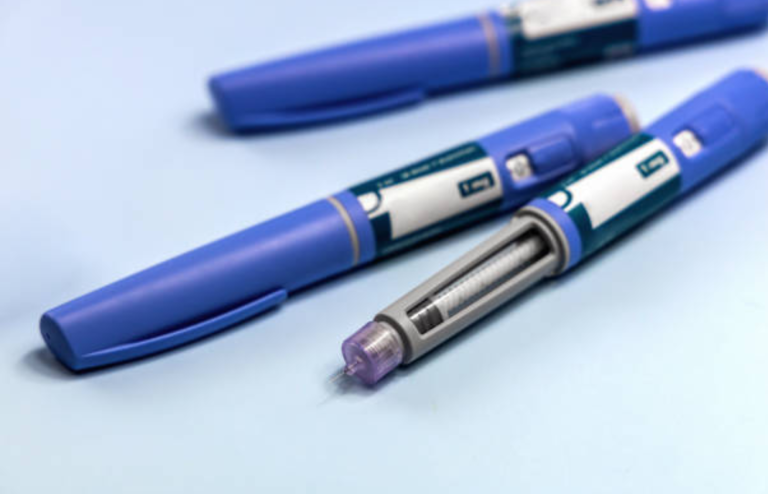
GLP-1 Medications Show Measurable Reduction in Alcohol Consumption Alongside Weight Effects
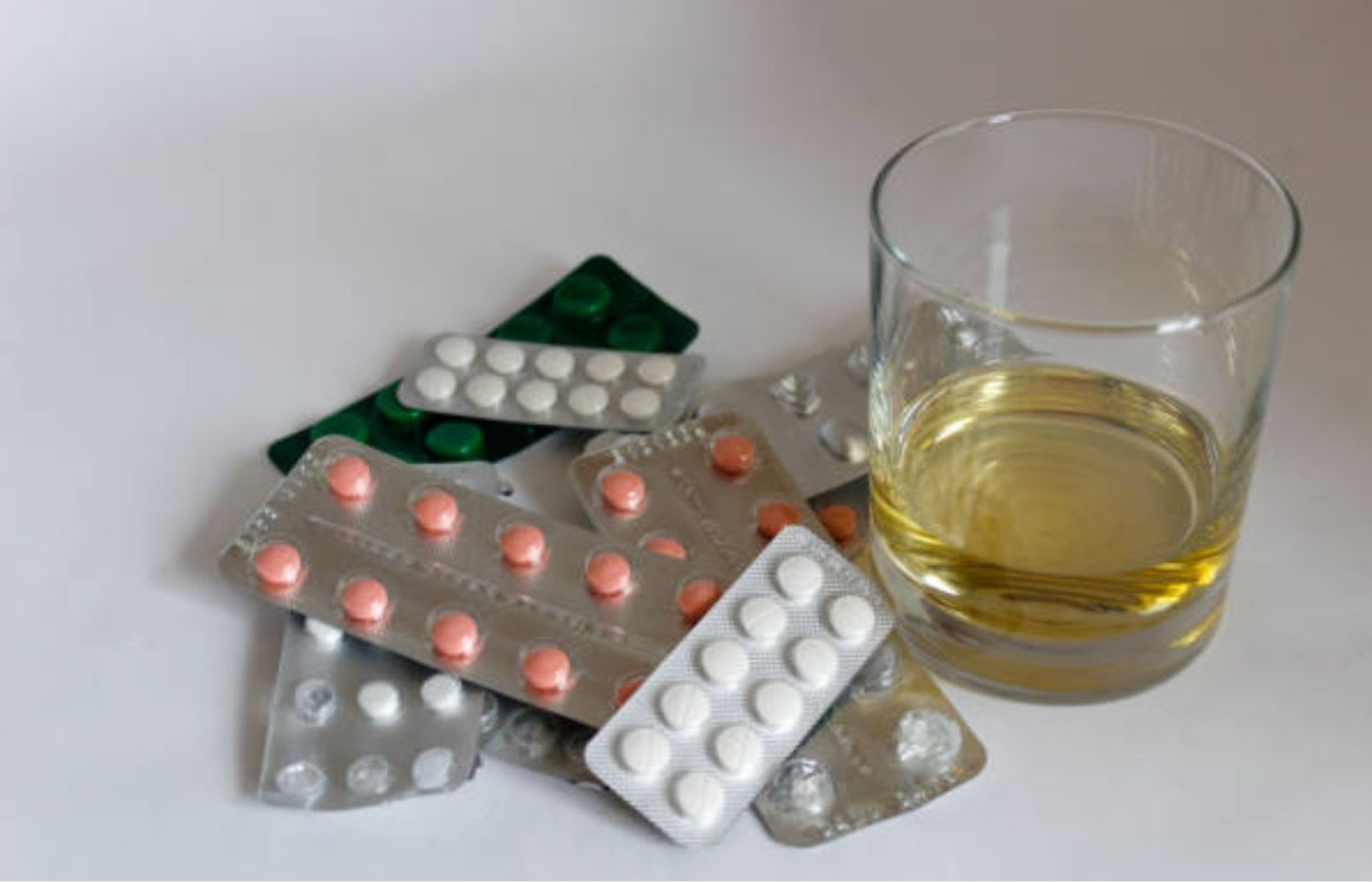
New research identifies a significant behavioral shift among individuals using glucagon-like peptide-1 receptor agonists. Users of these medications report a decrease in weekly drinking frequency from 3.1 to 2.2 days. This data represents a 29 percent reduction in consumption frequency. Accordingly, average weekly intake drops from 4.3 to 3.6 units per person.
Financial data reinforces these findings through notable spending shifts. Weekly alcohol expenditures for home use decline by 22 percent. Furthermore, spending per trip in social environments drops by 30 percent. These medications primarily treat obesity and type 2 diabetes but clearly influence broader habits.
Physiological mechanisms appear to drive this reduced intake. Approximately 34 percent of patients report fewer alcohol cravings while on therapy. Moreover, 22 percent of users feel the effects of alcohol more rapidly than before. Along with this, 18 percent of respondents experience nausea when consuming alcoholic beverages.
Researchers link these outcomes to receptor activity within the central nervous system. These biological pathways modulate reward signals and influence addictive behaviors. Given this, the medication appears to suppress the dopamine response associated with drinking. Therefore, the treatment facilitates a biological shift toward moderation.
Many users describe this behavioral change as effortless and instinctive. Roughly 26 percent of patients drink less without making a conscious choice. Meanwhile, 45 percent of users actively manage their intake during social events. Thus, the medication supports both involuntary responses and deliberate lifestyle adjustments.
The prevalence of medication use suggests a broad public health impact. Recent estimates indicate that nearly 10 percent of adults utilize these therapies. Notably, many individuals obtain these treatments through private or unregulated channels. This trend necessitates increased clinical monitoring to ensure patient safety and health.
The lack of professional oversight poses substantial risks for these specific users. Unmonitored individuals may face dangerous drug interactions or undetected adverse effects. In light of this, federal health agencies emphasize the importance of prescription-based care. Furthermore, clinicians must monitor patient progress to prevent potential complications during treatment.
Social drinking remains a factor for most users despite these changes. Over 70 percent of patients still include alcohol in social gatherings. However, preferences shift toward smaller servings and alcohol-free alternatives. As a result, consumers frequently choose premium products over high-volume options.
Behavioral changes also propagate through social networks to non-users. Nearly half of the general adult population knows a person using these medications. Building on this, 30 percent of non-users drink less when socializing with patients. Consequently, these therapies exert a secondary influence on collective social habits.
Peer influence appears to change the fundamental nature of social gatherings. Many individuals now opt for food centered events rather than alcohol-focused meetings. In view of this, approximately 20 percent of respondents report choosing different social formats. Hence, the medication alters community environments beyond the clinical scope of the drug.
Clinicians must consider these secondary effects during patient consultations. The data suggests that therapy impacts more than weight and glycemic control. To be precise, providers should discuss alcohol sensitivity with every new patient. In light of this, healthcare strategies must adapt to these emerging behavioral trends.