GLP-1 Drug Users Show Reduced Risk of Disease After Weight Loss, Study Reports
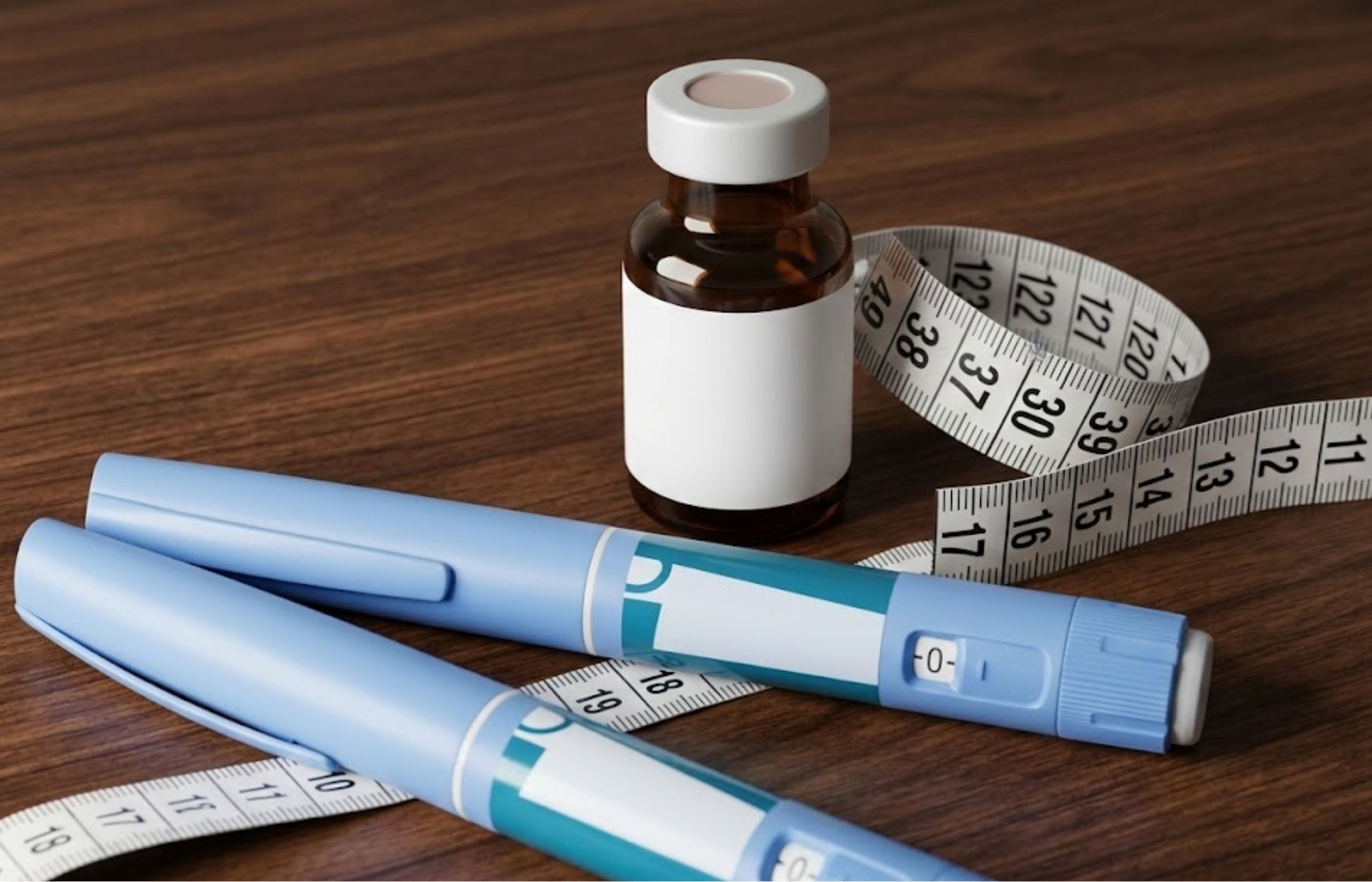
Obesity currently affects more than 40 per cent of adults. This condition drives high rates of heart disease and type 2 diabetes. Furthermore, it increases risks for kidney problems and sleep apnea. Therefore, doctors must prioritise effective weight management for these patients.
New medicines called GLP-1 receptor agonists have changed how we treat obesity. Drugs like semaglutide and tirzepatide are now the first choice for many patients. Along with this, these shots show great results in clinical trials. Important questions remain about how well they work in everyday life.
Research from the 2026 European Congress on Obesity addresses these concerns. The study looked at health records for nearly 90,000 people. These individuals used GLP-1 or similar dual-acting medications. Consequently, the findings show a strong link between weight loss and better health.
Study Design and Population Characteristics
Real-World Cohort and Measurement Approach
Researchers tracked changes in BMI for one full year. They then monitored the participants for another year to see who got sick. The group included people taking semaglutide, liraglutide, and tirzepatide. In light of this, the data cover all common types of these drugs.
About half of the people in the study stopped taking the medicine within a year. This high dropout rate is common in real-world health data. Moreover, it shows that staying on the drug is harder than it looks in trials. This is a big challenge for long-term health success.
Weight Change Variation and Its Results
The study showed that different people had very different results. Patients who lost the most weight had the best health outcomes later. Conversely, those who gained weight while on the drug had the worst health problems. Building on this, the data show that more weight loss equals more protection.
Even small amounts of weight loss provided some protection compared to gaining weight. This finding helps doctors decide if a patient should stay on a drug. Clinical decisions must consider these different responses to help each person. Accordingly, how much weight a person loses is the best way to predict their future health.
Mechanisms Linking Weight Loss to Disease Reduction
Body Fat and Inflammation
Obesity causes disease through several different biological paths. Excess body fat acts like a busy organ that sends out signals. Specifically, it releases chemicals that cause swelling and stress in the body. Thus, carrying too much fat leads to insulin resistance and constant inflammation.
Losing weight helps reverse these harmful processes. A 5 to 10 percent drop in body weight makes a big difference. These changes greatly improve blood markers for sugar and swelling. Therefore, losing even a little weight can calm the body’s internal stress.
Physical and Blood Flow Benefits
Weight loss also helps the body in physical and mechanical ways. Joint pain often comes from the heavy load placed on the knees and hips. Even modest weight loss takes a lot of pressure off these joints. In view of this, losing weight helps people stay mobile as they age.
Sleep apnea happens when fat in the neck blocks the airway at night. Weight loss reduces this blockage so people can breathe better. Meanwhile, heart failure risk drops because the heart does not have to pump as hard. Given this, the heart and lungs both benefit from a lighter body.
Specific Effects of GLP-1 Drugs
These drugs might help the body in ways that have nothing to do with weight. Receptors for these drugs are found in the heart, kidneys, and brain. Data suggest these medicines might protect the heart and kidneys directly. These benefits could happen even if a patient does not lose much weight.
However, the study shows that weight loss is still the main driver of health. Separating the drug’s direct effects from weight loss effects is still being studied. Nevertheless, patients who lose the most weight clearly do the best. For this reason, the physical change remains the most important part.
Key Findings Across Disease Categories
Sleep Apnea and Joint Health
The study found huge risk reductions for patients who lost the most weight. People with the highest weight loss had a 69 percent lower risk of sleep apnea. Furthermore, the risk of joint pain was 37 percent lower for them. These findings make perfect sense given how the body carries weight.
Both of these conditions make life hard and cost a lot to treat. Preventing them is a top goal for any national health system. Along with this, using these new drugs shows real promise for prevention. Thus, managing weight early can stop these problems before they start.
Kidney Disease and Heart Failure
The risk of kidney disease fell by 30 per cent for the most successful patients. Heart failure risk also dropped by about 32 per cent in that group. Notably, kidney disease and obesity are linked in a dangerous cycle. Weight loss helps break this cycle by protecting the small filters in the kidneys.
Carrying too much weight puts a lot of pressure on the kidneys’ internal systems. Losing weight lowers this pressure and stops damage. Moreover, other large trials have shown that these drugs protect the heart and kidneys. This makes the real-world results even more believable for doctors.
Weight Gain and Negative Outcomes
Patients who gained weight while on the medicine had the worst health paths. This finding is a wake-up call for how we use these drugs. It shows that just starting a prescription is not enough to get healthy. Therefore, doctors must watch patients closely to see if the drug is working.
Clinicians need to set clear goals for their patients. They should consider changing the dose if a patient is not losing weight. Extra coaching or different lifestyle changes might also be needed. In view of this, staying active in the treatment process is vital.
Limitations and Important Considerations
Study Design and Potential Errors
This study was observational, which means it cannot prove cause and effect perfectly. Other factors like diet or exercise might have influenced the results. People who lose weight might also be more likely to take care of themselves in other ways. Consequently, we must look at these results as a strong suggestion, not a final proof.
Successful patients might be different from those who struggle in ways we cannot see. These differences might affect their health risks independently of their weight. Nevertheless, the huge number of people studied makes the results very strong. Hence, the study provides a very useful map for doctors.
Quitting Treatment and General Use
The 50 percent dropout rate is something that needs a lot of attention. People in the real world stop their medicine much faster than people in clinical trials. This often happens because of side effects, high costs, or insurance issues. Given this, the people who stayed on the drug might be “super responders.”
This could make the benefits of the drug look even better than they really are. Patients who stay on the drug are the ones who feel good taking it. Future research will need to look at why so many people stop their treatment. Meanwhile, making these drugs easier to stay on is a major goal.
Clinical and Policy Implications
Using Results to Make Decisions
The study supports using actual weight loss to decide if a treatment is working. Federal health agencies suggest checking in on patients every few months. This study gives doctors a better reason to follow those rules. Notably, even losing a small amount of weight is much better than losing none.
Doctors should see a lack of weight loss as a sign to change the plan. This helps make sure that expensive drugs are not being wasted. Along with this, tracking progress helps keep patients motivated. Therefore, using data to drive care leads to better health for everyone.
Focusing on High-Risk Patients
People who already have kidney or joint problems should be the first to get help. Using these drugs for them targets both their weight and their existing sickness. However, doctors must always watch out for side effects like nausea or stomach pain. Accordingly, every patient needs a plan that fits their specific life.
Conclusion
This large study proves that losing weight on GLP-1 drugs leads to less disease. A clear link exists between the amount of weight lost and a lower risk of getting sick. These findings show why it is so important to help patients get the best results. In light of this, weight loss is the best sign that a patient is getting healthier.
As we learn more, weight loss will become the main way we measure success. It will guide how doctors use these powerful new tools. Ultimately, helping people reach a healthy weight is the best way to prevent future illness. Therefore, the focus must stay on long-term weight success for every patient.
References
Wilson, L., Zhao, Z., Divino, V., Bassan, M., Ó Hartaigh, B., Stensen, S., & Ozer, K. (2026). Semaglutide and tirzepatide effects on cardiovascular outcomes in people with overweight or obesity in the real world (STEER). Diabetes, Obesity and Metabolism, 28(3), 2403–2415.
https://pubmed.ncbi.nlm.nih.gov/41491349/?utm_source=chatgpt.com
National Institute of Diabetes and Digestive and Kidney Diseases. (n.d.). Health risks of overweight & obesity. U.S. Department of Health and Human Services. https://www.niddk.nih.gov/health-information/weight-management/adult-overweight-obesity/health-risks
National Heart, Lung, and Blood Institute. (n.d.). Overweight and obesity. U.S. Department of Health and Human Services, National Institutes of Health. https://www.nhlbi.nih.gov/health/overweight-and-obesity