GLP-1 Adoption Nears Record Highs and Reshapes Workplace Health Benefits

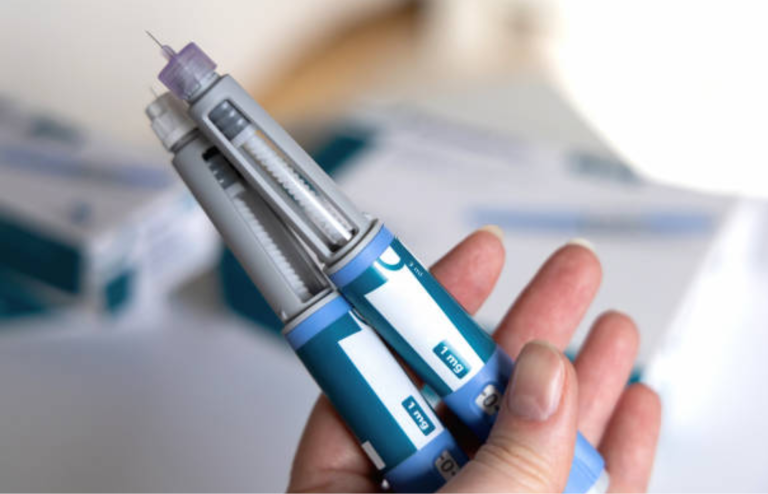
GLP-1 receptor agonist medications have seen a remarkable rise in adult usage. Recent survey data indicates that 15 percent of adults have used these treatments for weight loss. Current usage has reached 11 percent this year, a significant increase from 3 percent in 2024. Researchers surveyed over 5,000 adults to gather these specific statistics.
Several factors have contributed to this increase, including lower prices and better access to telehealth. Consumers can now find these medications through online providers at more reasonable rates. As access has improved, national obesity rates have decreased correspondingly. The obesity rate peaked at 39.9 percent in 2022 and has since fallen to 36.4 percent.
Clinical experts have noted that GLP-1 therapy has expanded beyond patients with the highest body mass index values. More individuals with lower indexes and common related health conditions are seeking treatment. These conditions include hypertension, diabetes, and high cholesterol. As a result, a wider range of patients now uses these treatment options.
However, increased usage does not mean everyone has access. Federal data reveals that the national obesity rate remains close to 40 percent. Additionally, 72 percent of adults are classified as overweight or obese. This means that many people still need effective intervention.
Employer-sponsored coverage plays a significant role in patient access to these therapies. Almost all large employers cover GLP-1 medications for managing type 2 diabetes. Yet, only 67 percent offer coverage specifically for weight management. Therefore, insurance policies greatly affect overall treatment availability.
Industry analysts warn that employers should pair coverage decisions with support programs. Simply having access does not ensure the best health outcomes. Economic modeling indicates clear cost implications linked to weight loss outcomes. Successful treatment can lead to lower long-term medical expenses.
A 5 percent reduction in body weight can lead to an estimated $670 decrease in annual healthcare spending per person. Greater reductions of 25 percent can result in savings of over $2,000 per person. In addition, workplace studies have connected structured GLP-1 programs to improvements in employee quality of life. Employers also report increases in job satisfaction and reduced absenteeism.
The methods of treatment have diversified significantly. GLP-1 therapies now include oral formulations, not just injections. This allows healthcare providers to tailor delivery methods for better compliance.
The Food and Drug Administration has approved nine GLP-1 and dual GLP-1/GIP receptor agonist medications so far. Wegovy received approval for weight loss in 2021, followed by Zepbound in 2023. Compounded, non-approved formulations make up a significant portion of current use, with about 19 percent of surveyed patients using a compounded version.
Patients often choose compounded options because they are cheaper than brand-name products. However, the Food and Drug Administration has repeatedly warned that these compounded formulations can carry additional safety risks. Brand-name products still account for 68 percent of reported use among survey respondents. Thus, oversight in manufacturing remains a major concern for regulators.
Beyond weight management, GLP-1 therapies have shown associations with fewer major cardiovascular events. Clinical trials demonstrate lower hospitalization rates among patients using these medications. Researchers have also noticed improvements in various chronic disease areas, including certain mental health conditions.
These findings continue to guide employer and clinical decision-making about long-term treatment support. Organizations are using this data to create better coverage plans. Furthermore, ongoing research suggests that new therapeutic applications may come to light. Financial and clinical stakeholders are closely watching these developments.