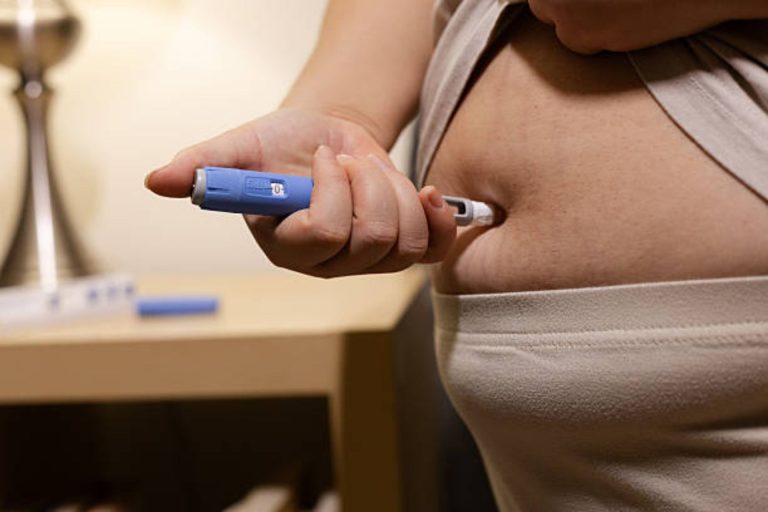
Next-Generation GLP-1 Drugs Deliver Surgical-Level Weight Loss, Raising Questions About Systemic Safety

Retatrutide acts as a new kind of experimental medicine. This drug helped people lose over 28 percent of their body weight in recent tests. These results actually match what doctors see after weight-loss surgery. Because of this, federal regulators are watching the progress closely as it nears official review.
Currently approved medications show good results but work a bit more slowly. For example, semaglutide helps people lose about 10 percent of their weight each year. Meanwhile, tirzepatide usually leads to a 15 percent drop over that same time. Retatrutide reaches three different hormone targets at once to provide much stronger effects.
Along with this, many health experts notice a change in how people buy medicine. Some online markets now sell these substances before they get official approval. This trend creates big safety risks for the public. In light of this, doctors urge patients to only use trusted pharmacies.
Losing weight very quickly does not only remove body fat. The body needs specific building blocks to burn fuel properly. If a person does not eat enough protein, the body burns muscle for energy instead. Therefore, researchers worry that these new treatments might cause too much muscle loss.
Weak bones also cause concern for certain groups of people. Carrying less weight means the skeleton feels less pressure during daily movement. Doctors have seen cases where bone density drops during these treatments. Thus, the risk of breaking a bone becomes a serious long-term worry.
Gallbladder issues also need careful attention from medical teams. Losing fat very fast can make bile in the body too thick. Furthermore, these drugs slow down how fast the stomach empties. As a result, some patients face a much higher risk of developing painful gallstones.
Medical experts believe the weight loss from retatrutide is still manageable. The speed actually looks similar to very strict diets or post-surgery recovery. Doctors use small dose changes to control how fast someone loses weight. Nevertheless, they must check patients often for vitamin levels and muscle health.
Clinicians also look at the mental side of changing size so fast. Such a big physical shift often requires huge changes in daily habits. Support groups offer a helpful way for people to handle these transitions. Hence, good care plans now include mental health checks along with physical exams.
Stopping these medications can lead to specific health problems. Early evidence shows that weight often comes back as fat rather than muscle. Heart and blood sugar benefits also seem to disappear once the shots stop. Accordingly, some doctors fear a rebound effect that leaves patients less healthy.
Smart strategies help people get the best results from these drugs. Eating plenty of protein and lifting weights helps keep muscles strong during weight loss. Taking calcium and vitamin D also helps protect bone strength. Building on this, better rules are needed to pick the right patients.
Moreover, hospitals and clinics must change their rules for these new drugs. Teams of different specialists should work together to keep everyone safe. Checking body composition regularly provides the data needed for good care. Hence, a total health approach is vital for using these strong treatments.
Notably, data shows that the body burns energy slower after major weight loss. The metabolism often drops to try and save calories. This natural reaction makes it very hard to keep the weight off later. Therefore, patients need long-term food coaching to manage these physical changes well.