Malta Launches €5 Million [$5.5 Million] GLP-1 Program for Obesity and Type 2 Diabetes Patients
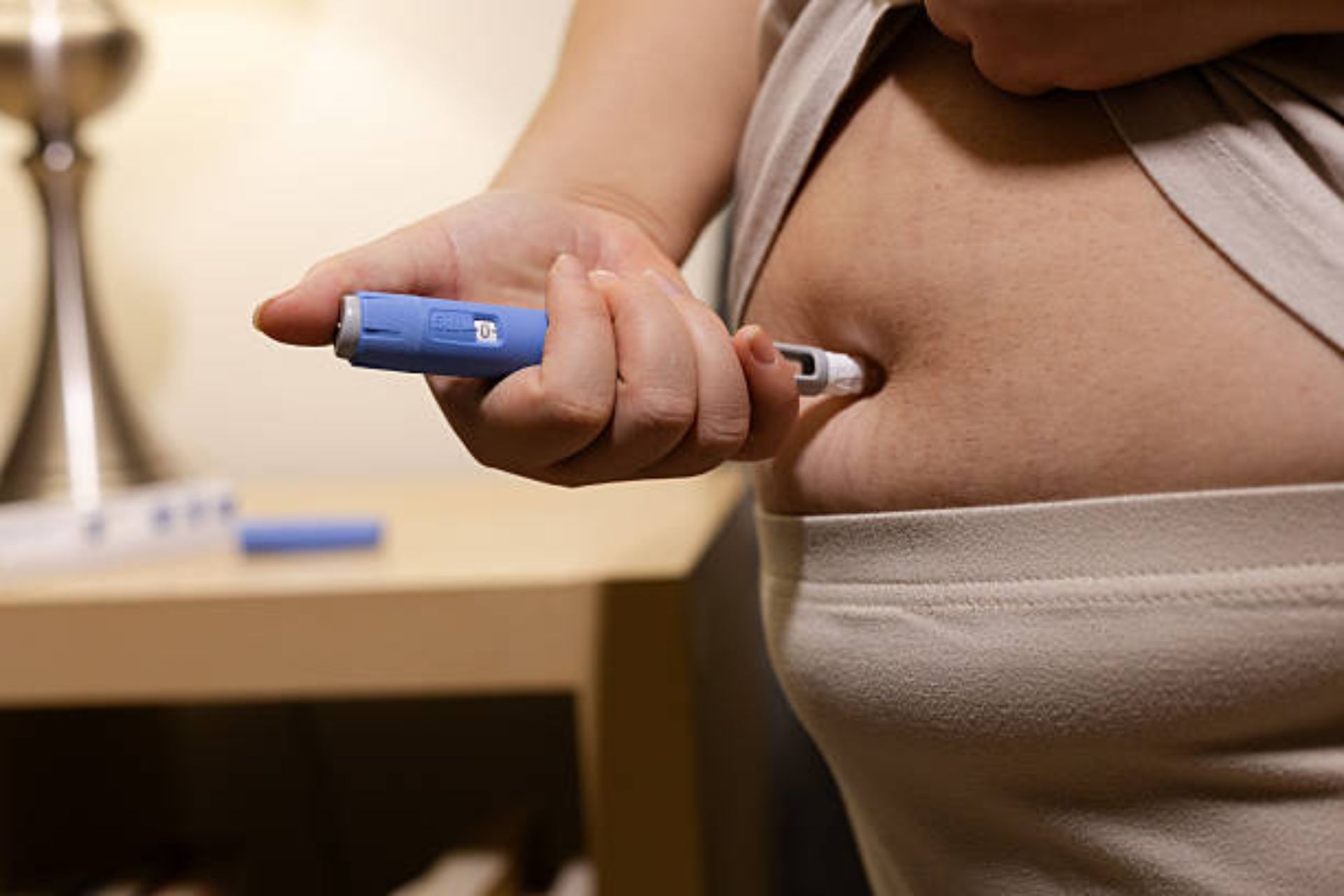
Malta’s government has taken a bold step in public healthcare. It will now provide free weight loss and diabetes medications to thousands of patients who need them most. Minister for Health and Active Ageing Jo Etienne Abela announced the program after working closely with doctors and health experts across the country. The goal is simple: help people living with serious obesity and Type 2 diabetes get the treatment they deserve.
The first phase will cover around 2,000 patients. To qualify, a person must have both Type 2 diabetes and severe obesity, which means a body mass index of 40 or above. The government is spending approximately €5 million [$5.5 million] on this first phase alone. This investment reflects how seriously Malta views the rising burden of obesity and diabetes on its population.
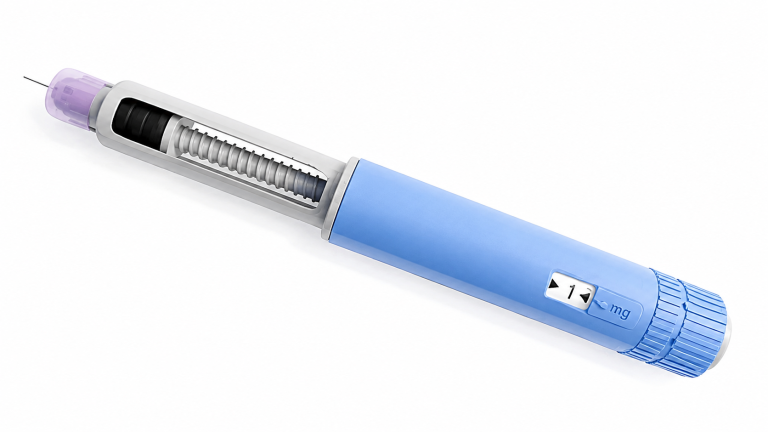
The medications belong to a drug class called GLP-1 receptor agonists. Simply put, these drugs copy a natural hormone that controls both blood sugar and hunger. When active, this hormone helps the body release insulin, brings blood sugar down, and reduces appetite. Popular medications in this group include semaglutide, known commercially as Ozempic for diabetes and Wegovy for weight management. Research confirms these drugs deliver real results for patients managing both conditions together.
Studies show these medications lower blood sugar levels meaningfully and help patients shed significant body weight over time. The results hold up across different patient groups, not just in carefully controlled trials. Furthermore, early treatment with these drugs can prevent serious complications like heart disease and kidney damage from developing later.
Minister Abela made one thing very clear though. The medication is not meant to work alone. Every patient in the program will also receive support from dietitians, fitness coaches, and mental health professionals. People will get practical guidance on eating habits and physical activity as part of their daily treatment plan. This matters because obesity and diabetes affect mental health just as much as physical health.
Doctors will monitor every patient regularly throughout the program. They will track progress and adjust treatment whenever necessary to get the best outcomes. Consequently, the program is built around ongoing care rather than a one-time prescription. This kind of close follow-up is what separates a truly effective public health initiative from a basic medication handout.
The government also has bigger plans ahead. The current group of 2,000 patients is just the starting point. Health authorities will carefully review results before deciding how far to expand the program. Moreover, the real-world data gathered from this phase will directly shape future healthcare policies around chronic disease management in Malta.
The financial logic behind this program is also worth understanding. Obesity and diabetes together drive enormous healthcare costs every year. They contribute heavily to hospitalizations, cardiovascular disease, and long-term disability. In light of this, investing in early pharmacological treatment today can reduce far greater expenses down the line. Prevention and early intervention simply cost less than managing advanced complications.
Malta’s move also reflects a wider global shift in how governments think about obesity. More countries are beginning to recognize it as a serious medical condition requiring structured clinical support, not just personal willpower. Accordingly, publicly funded access to weight management medications is becoming a policy priority in forward-thinking health systems. Malta is now firmly part of that movement.
By pairing effective medication with lifestyle support and consistent medical monitoring, Malta is giving patients a genuine path toward better health outcomes. The program demonstrates that responsible government investment, grounded in science and patient care, can make a real difference in people’s lives.