Best Diet Hacks to Maximise Weight Loss on GLP-1 Medications
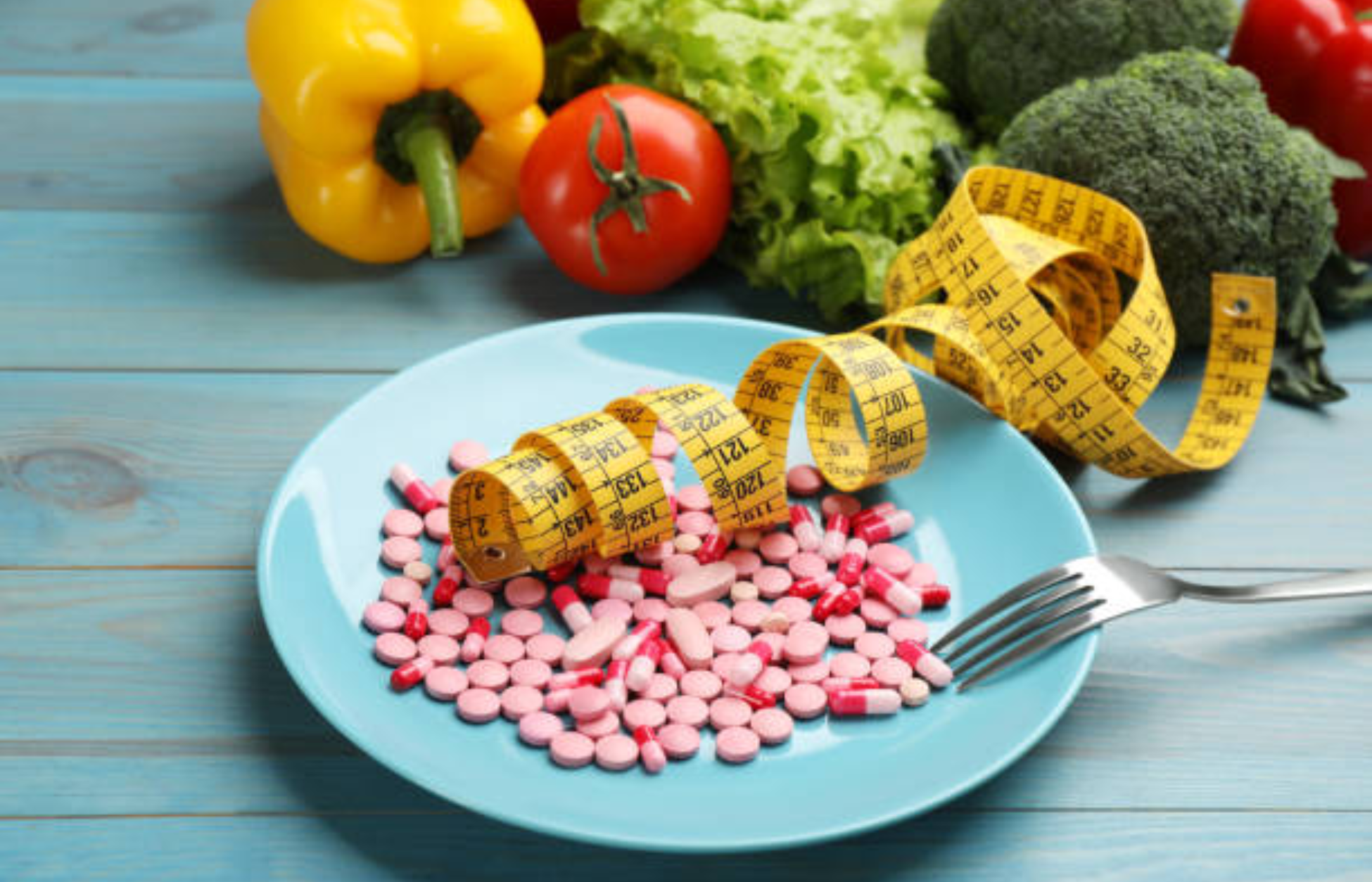
GLP-1 medications like semaglutide and tirzepatide have changed how we treat obesity. These drugs work by targeting receptors in the brain and the stomach. This process helps lower your appetite and slows down how fast your stomach empties. Consequently, people feel much fuller for a longer time throughout the day.
Research shows that these medications work best when paired with healthy habits. Success often depends on making smart choices about the food you eat. Studies confirm that following a solid meal plan leads to much better results. Therefore, eating the right foods acts as a major boost for the medication.
Recent data suggests that medicine alone might not keep your metabolism flexible. Patients who ignore nutrient quality often hit a wall in their progress. Building on this, experts highlight the importance of starting good habits early. Proactive eating habits ensure that your body keeps burning energy at a healthy rate.
Protein Intake as a Primary Dietary Lever
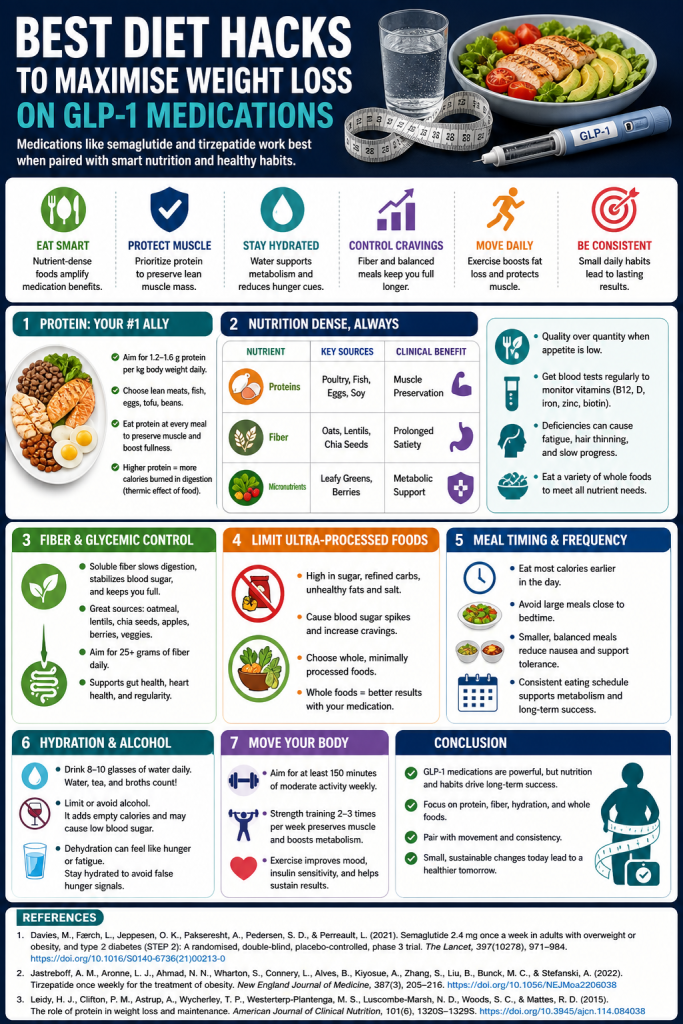
Eating enough protein is the best way to protect your muscles while losing weight. It is common to lose muscle when you drop weight very quickly. Along with this, protein helps your body release natural fullness hormones. These signals work with your medication to keep your hunger under control.
Experts suggest aiming for a specific daily target of protein based on your weight. Lean meats like chicken and fish are excellent sources of high-quality protein. Beans and soy are also great options for those who prefer plant-based meals. Moreover, eating protein at every meal helps your muscles stay strong all day.
High protein intake also helps your body burn more calories during digestion. This effect is known as the thermic effect of food. Accordingly, eating protein helps keep your energy levels up even when you eat less. This metabolic boost is vital when you are cutting back on total calories.
Managing Reduced Appetite Without Nutritional Compromise
GLP-1 drugs significantly lower the amount of food you feel like eating. This change can make it hard to get all your daily vitamins. Therefore, the quality of your food matters more now than it ever did before. Every bite you take needs to be packed with healthy nutrients.
| Nutrient Category | Key Sources | Clinical Benefit |
| Proteins | Poultry, Fish, Eggs, Soy | Muscle Preservation |
| Fiber | Oats, Lentils, Chia Seeds | Prolonged Satiety |
| Micronutrients | Leafy Greens, Berries | Metabolic Support |
Nutrient-dense foods like spinach and kale provide essential vitamins and fiber. Doctors should check your vitamin levels through blood tests on a regular basis. Iron and vitamin B12 are especially important to watch during this time. Supplements might be needed if you cannot get enough nutrients from food alone.
Some people might notice hair thinning or feeling tired if they lack nutrients. These issues often happen when you do not get enough zinc or biotin. In light of this, eating a wide variety of foods is very important. Clinicians must teach patients how to spot the early signs of poor nutrition.
Fiber and Glycemic Control
Dietary fiber helps you manage your weight in several different ways. Soluble fiber turns into a gel that slows down your digestion even more. This effect keeps you full and stops your blood sugar from spiking. People with diabetes see huge benefits from this natural digestive process.
Good fiber choices include oatmeal, lentils, chia seeds, and fresh apples. Most health guidelines suggest getting at least 25 grams of fiber every day. Furthermore, fiber helps keep the good bacteria in your gut very healthy. Patients should add fiber to their diet slowly to avoid any stomach upset.
Fiber also helps the body manage cholesterol and fatty acids more effectively. This role helps protect your heart while you are losing weight. Thus, fiber is both a weight loss tool and a health shield. Consistent fiber intake also helps prevent constipation, which is a common side effect.
Minimizing Ultra-Processed Food Consumption
Processed foods can get in the way of how well your medication works. These items are usually full of refined sugar, white flour, and extra salt. As a result, they cause blood sugar spikes that fight against the medicine. Furthermore, these tasty snacks can sometimes trick your brain into feeling hungry.
Studies show that eating too much processed food is linked to higher obesity. Patients on these new medications are often ready to make real life changes. Accordingly, health experts should help patients focus on eating fewer packaged snacks. Replacing junk food with whole foods makes the medication much more effective.
Refined oils and artificial ingredients can also cause inflammation in the body. This state makes it harder for your metabolism to work at its best. Therefore, staying away from these items supports your main health goals. Patients should focus on simple, whole ingredients to get the very best results.
Meal Timing and Eating Frequency
When you eat can be just as important as what you eat. Eating most of your calories earlier in the day helps your insulin work better. Given this, it is a good idea to avoid large meals right before bed. Late-night eating can confuse the hormones that control your hunger and energy.
Eating smaller meals more often can help reduce common side effects like nausea. This strategy makes it easier to handle the medication as you start treatment. Thus, having a set eating schedule helps both your metabolism and your comfort. Consistent routines help patients stick with their treatment plan over the long term.
Some people find that eating during a specific window helps their digestion. This habit works well with the natural clock of the human body. In view of this, timing is more than just a simple personal choice. It acts as a signal for your body to use energy more efficiently.
Hydration and Alcohol Considerations
Drinking enough water helps your kidneys work and keeps your metabolism moving. People often forget to drink water when they do not feel as hungry. A goal of about eight to ten glasses of water daily is usually best. Water, tea, and clear broths are all great ways to stay hydrated.
Alcohol is something you should be very careful with while on these drugs. Alcohol has a lot of empty calories and can lead to poor food choices. Likewise, it can cause dangerously low blood sugar for people with diabetes. Doctors usually suggest that patients avoid or limit alcohol during their treatment.
Being dehydrated can sometimes feel like hunger or being very tired. This confusion might lead you to eat extra calories that you do not need. Keeping a strict water schedule helps you avoid these false hunger signals. Consequently, staying hydrated is a key part of reaching your weight loss goals.
Physical Activity as a Dietary Complement
Exercise helps you get even better results from your diet and medication. Moving more protects your muscles and keeps your calorie burning engine running fast. Hence, a regular exercise plan is a must for any weight loss journey. Experts recommend at least 150 minutes of active movement every single week.
Lifting weights is very important to prevent muscle loss while you lose fat. Some people might need help from a trainer when they first start out. Health teams can help you match your snacks to your workout needs. This joined-up approach helps you get the most out of your medicine.
Regular exercise also improves your mood and helps you stay on track. Seeing progress in the gym provides the motivation needed to keep eating well. Furthermore, exercise makes your body much more sensitive to the effects of insulin. This teamwork creates a perfect environment for staying healthy for a long time.
Conclusion
GLP-1 medications provide a powerful start for anyone looking to manage their weight. Nevertheless, eating the right foods is still the secret to long-term success. Protein, fiber, and plenty of water all help the medication do its job better. Healthcare providers who offer clear food advice see the most successful patients.
Science is still learning exactly how different foods interact with these new drugs. Future research will likely show us even better ways to time our meals. In light of this, following basic healthy eating rules is the smartest path forward. Using a mix of medicine and good food offers the best chance for success.
Combining medical science with better nutrition marks a new start for many people. Patients now have the tools to change both their bodies and their habits. Therefore, the focus should stay on making changes that you can keep up forever. This dual approach ensures that weight loss leads to a lifetime of wellness.
References
Davies, M., Færch, L., Jeppesen, O. K., Pakseresht, A., Pedersen, S. D., & Perreault, L. (2021). Semaglutide 2.4 mg once a week in adults with overweight or obesity, and type 2 diabetes (STEP 2): A randomised, double-blind, placebo-controlled, phase 3 trial. The Lancet, 397(10278), 971–984. https://doi.org/10.1016/S0140-6736(21)00213-0
Jastreboff, A. M., Aronne, L. J., Ahmad, N. N., Wharton, S., Connery, L., Alves, B., Kiyosue, A., Zhang, S., Liu, B., Bunck, M. C., & Stefanski, A. (2022). Tirzepatide once weekly for the treatment of obesity. New England Journal of Medicine, 387(3), 205–216. https://doi.org/10.1056/NEJMoa2206038
Leidy, H. J., Clifton, P. M., Astrup, A., Wycherley, T. P., Westerterp-Plantenga, M. S., Luscombe-Marsh, N. D., Woods, S. C., & Mattes, R. D. (2015). The role of protein in weight loss and maintenance. American Journal of Clinical Nutrition, 101(6), 1320S–1329S. https://doi.org/10.3945/ajcn.114.084038