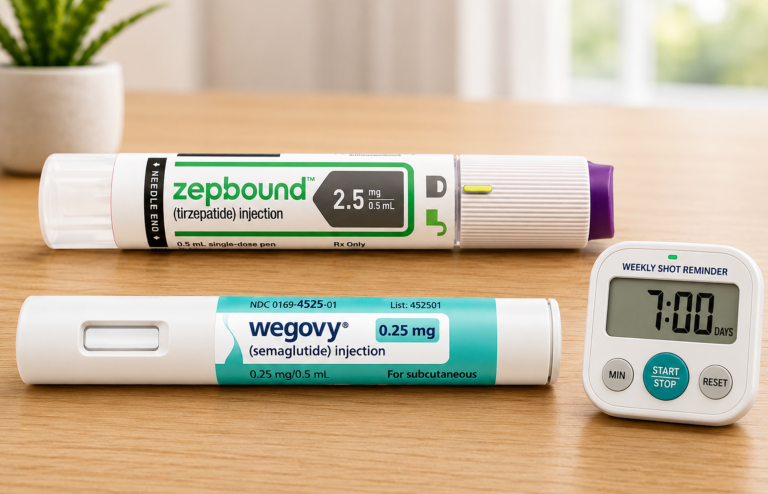
Oral GLP-1 Medications Reshape the Expanding Pharmaceutical Market
The market for glucagon-like peptide-1 receptor agonists is currently undergoing a significant structural transformation. Oral formulations now demonstrate faster growth rates than the injectable segment which previously dominated the category. This shift reflects major regulatory milestones and changing patient preferences within the obesity treatment landscape. Given this, the industry expects a permanent shift in how providers prescribe these metabolic therapies.
The federal regulator approved the first oral therapy indicated specifically for weight loss in late 2025. This medication entered the commercial market in January 2026 to address immediate demand. Health care providers issued over 600,000 prescriptions within the first two months of the product launch. This volume signals a remarkably rapid uptake among patients seeking non-invasive options.
Market analysts anticipate that oral formats will account for more than half of the revenue growth of specific products through 2031. Present predictions indicate that the whole franchise could produce around $15.9 billion in yearly sales by 2030. It is likely that oral pills will account for 17% of total product revenue in the following year. This shift signifies a drastic change from the solely injectable market observed in 2025.
Broader sector estimates reflect a substantial long-term expansion for these metabolic therapies. One financial firm recently increased its 2030 market valuation estimate to $139 billion. Other analysts project total sales could reach $180 billion by the middle of the next decade. Therefore, the oral segment alone may command a valuation between $17 billion and $60 billion.
Preliminary commercial data indicate that oral formulations draw in new patients to the obesity treatment sector. For their primary care, these individuals often opt for pills rather than traditional needle-based delivery systems. Oral options appear to broaden the total addressable market instead of cannibalizing existing users, as suggested by this trend. As a result, these patterns could enhance overall revenue projections beyond the current conservative estimates.
Executives in the industry think that oral therapies could ultimately take one-third of the total market share. This expansion relies on the ongoing diversification of available chemical agents and delivery technologies. New platforms are designed to enhance the effectiveness of these oral medications so that it meets injectable standards. Consequently, the industry continues to concentrate on optimizing systemic absorption for wider clinical applications.
One specialized biotechnology company continues to advance a proprietary drug delivery platform for metabolic applications. This technology demonstrates enhanced bioavailability properties across several prominent glucagon-like peptide-1 agents. The current research program evaluates compatibility with next-generation candidates to ensure future market relevance. Furthermore, the firm maintains active discussions with pharmaceutical partners regarding potential licensing opportunities.
The patented delivery platform aims to improve how the body absorbs medication through the digestive tract. The developer currently holds 65 granted patents globally to protect its intellectual property interests. The company operates an in-house research facility to conduct rigorous testing on these delivery mechanisms. Nevertheless, the federal regulator has not yet approved any products utilizing this specific technology.
It is important for investors to acknowledge that these projections are based on forecasts and forward-looking statements from third parties. Realized outcomes in the market are still dependent on clinical trial results and material risks. The ultimate allocation of market share will be dictated by regulatory choices and competitive dynamics. Thus, stakeholders need to keep a close eye on changing macroeconomic conditions and shifts in federal policy.