Why Your Body Needs Extra Nutrients While on Weight-Loss Medications

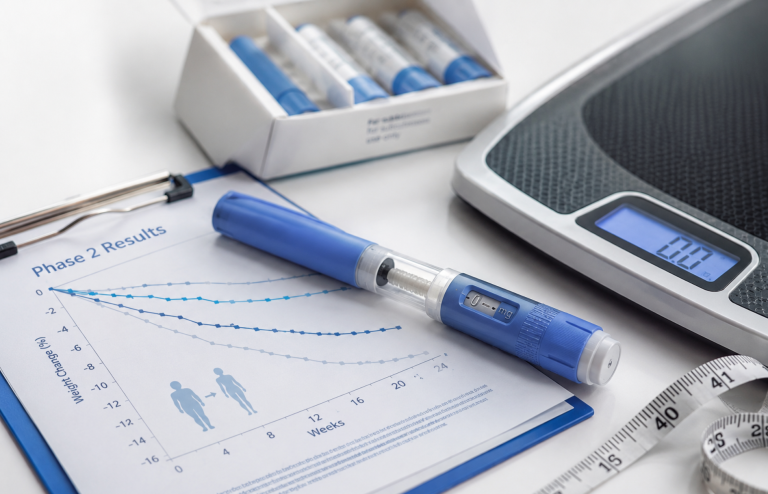
New weight-loss drugs are changing how doctors treat obesity and type 2 diabetes. Medications like semaglutide and tirzepatide help people lose weight quickly by lowering appetite and slowing down how fast the stomach empties. Because these drugs work so well, federal agencies have approved them for long-term health management. Millions of patients now use these medications to improve their health. However, these powerful drugs also change how your body gets and absorbs nutrients.
When you take these medications, you naturally eat much less food. Many clinical trials show that patients cut their daily calories by 20 to 35 per cent. Eating less food means you automatically take in fewer essential vitamins and minerals. Along with this, the slower movement of food through your stomach changes how your body processes nutrients. Because of these changes, healthcare providers must look closely at your daily nutrient levels.
Reason 1: Less Food Means Fewer Vitamins
The link between eating less food and missing out on vitamins is very simple. When you cut back on calories, you drop your intake of vital minerals and healthy fatty acids. This drop happens even if you start choosing healthier foods than before. Doctors see this same issue in patients who have weight-loss surgeries. Those patients often run low on iron, vitamin B12, and folate.
Weight-loss medications create a similar pattern because they reduce your daily food intake. In light of this, doctors need to check your vitamin levels regularly during your treatment. Checking your blood levels helps catch any drops before they turn into real health problems. Therefore, tracking your nutrients must be part of your overall weight-loss plan. This careful monitoring keeps your body strong while you lose weight.
Reason 2: Slower Digestion Alters Nutrient Absorption
These medications work mainly by slowing down your stomach’s digestion. This process helps you feel full for a longer time, but it also changes how your intestines absorb vitamins. Fat-soluble vitamins require proper stomach acid and bile to enter your system. These important nutrients include vitamins A, D, E, and K. At the same time, your body needs a steady digestive system to absorb calcium and magnesium.
Consequently, you can run low on these nutrients even if you eat a balanced diet. Food that sits too long in the digestive tract can disrupt normal absorption patterns. Because of this, a standard diet plan might not give you the true nutrient amounts you expect. Doctors must keep this digestive shift in mind when creating long-term medication plans.
Vitamin D and Your Bones
Low vitamin D levels can weaken your bones, hurt your immune system, and slow your metabolism. Notably, carrying extra weight actually makes a vitamin D deficiency more likely. Human fat tissue traps this vitamin and keeps it from moving freely through your blood. While losing weight releases some trapped vitamin D, slow digestion can cancel out that benefit.
Given this fact, healthcare providers should add vitamin D checks to their regular blood tests. Losing weight too fast without enough vitamin D can stress your skeleton. Taking a daily supplement offers a safe and predictable way to protect your body. This simple step keeps your bones strong while your metabolism improves.
Reason 3: Protecting Muscle Mass
Losing weight on these medications does not mean you are just losing body fat. Clinical studies show that a large amount of the weight you lose comes from lean muscle. In some cases, muscle makes up more than 30 per cent of the total weight loss. Losing muscle hurts your body because it lowers your resting metabolic rate. Along with this, less muscle makes daily activities harder and increases your risk for heart issues.
Building on this, certain nutrients work directly to maintain and repair skeletal muscle. Your body needs magnesium, vitamin D, and specific amino acids to keep muscles healthy. These elements help your body process protein and fix cellular damage. Ensuring you get enough of these nutrients helps you lose fat while keeping your strength.
Reason 4: Managing Stomach Side Effects
Nausea, vomiting, and feeling full too quickly are the most common side effects of these drugs. These symptoms usually show up when you first start the medication or raise your dose. While these uncomfortable side effects usually fade, they greatly limit the types of food you can eat. Most people crave bland, simple carbohydrates when they feel sick to their stomach.
As a result, patients stop eating nutrient-rich whole foods like vegetables and lean proteins. Your diet quality drops at the exact moment your body needs steady nutrition. A complete daily supplement gives you solid nutrient coverage during these rough weeks. Thus, supplementation keeps you healthy even when side effects change your eating habits.
Reason 5: The Danger to B Vitamins
B vitamins play a major role in creating energy, protecting nerves, and building red blood cells. A lack of vitamin B12 can cause nerve damage and happens often when stomach functions change. Many patients take a common diabetes drug called metformin alongside their weight-loss shots. This combination creates an extra risk because metformin naturally lowers your B12 absorption.
Furthermore, missing out on folate and B6 can raise a harmful amino acid called homocysteine. High homocysteine levels can damage your blood vessels and raise your risk for heart attacks. Therefore, patients using multiple medications must watch their B vitamin levels very closely. Regular blood work helps your doctor spot these drops early. Taking a targeted B-complex supplement quickly restores your body’s energy balance.
Iron Levels and Energy
Iron deficiency is another major risk when you drop weight quickly on these medications. Eating less food and producing less stomach acid makes it hard for your body to store iron. When you feel full fast, you often eat less iron-rich food like meat and beans. Moreover, chronic inflammation from carrying extra weight can naturally block your body from absorbing iron.
In view of this, taking an iron supplement solves a real physical need. It keeps your cells active rather than just acting as an extra pill. Keeping your iron levels high protects your energy and prevents anaemia during your weight-loss journey.
Reason 6: The Importance of Trace Minerals
Trace minerals act as tiny keys that unlock important chemical reactions in your body. These minerals include zinc, selenium, chromium, and manganese. They help your body process sugar, fight off sickness, and support your thyroid gland. A zinc deficiency slows down your insulin response and weakens your immune system. Meanwhile, low selenium levels raise your oxidative stress and damage healthy cells.
Patients with metabolic issues already deal with higher levels of cellular stress. Accordingly, eating less food can make a mineral deficiency worse if you do not take a supplement. Standard meal plans simply do not guarantee enough trace minerals when your food intake drops. Using a daily supplement ensures your body gets these exact chemical tools.
Reason 7: Planning for the Long Term
Doctors now view weight-loss medication as a long-term treatment rather than a quick fix. Data from major clinical trials show that patients usually regain the weight if they stop the drug. This reality means most people will stay on these medications for years to keep the benefits. Over a long period, small vitamin losses add up to a major nutrient shortage.
These shortages can eventually make you feel tired and ruin your health progress. Therefore, adding a high-quality supplement to your routine builds a strong foundation for your future. This plan protects your health over months and years of treatment. It changes your approach from fixing a problem to preventing one entirely.
Getting the Best Results
Losing weight and staying nourished are goals that work together to make you healthier. Weight-loss medications give you great results, but their path inherently lowers your vitamin levels. A comprehensive daily supplement fills this nutrition gap safely without making you eat extra food.
Additionally, smart doctors use these tools to prevent complications before they start. Keeping your nutrients balanced ensures you can stay on your medication comfortably. Science, medicine, and human anatomy all support using supplements during this treatment. By choosing a high-quality daily vitamin, you set yourself up for safe, lasting weight-loss success.
Conclusion
Weight-loss medications represent a major victory for modern medical science. However, their unique path systematically lowers your vitamin intake and changes your digestion. Less food, slower stomach movement, and early nausea create a real risk for nutrient shortages.
A well-balanced daily supplement fixes these issues by supporting your muscles, heart, and blood. As these medications become a normal part of healthcare, nutrition management must become a priority. Combining medical treatment with proper vitamin support ensures the safest path to a healthier life.
References
National Institute of Diabetes and Digestive and Kidney Diseases. (n.d.). Prescription medications to treat overweight & obesity. U.S. Department of Health and Human Services, National Institutes of Health. Retrieved June 29, 2026, from NIDDK Prescription Medications to Treat Overweight & Obesity
National Institutes of Health, Office of Dietary Supplements. (2024, March 26). Vitamin B12 fact sheet for health professionals. U.S. Department of Health and Human Services. https://ods.od.nih.gov/factsheets/VitaminB12-HealthProfessional/
National Institutes of Health, Office of Dietary Supplements. (2025, September 4). Iron Health professional fact sheet. U.S. Department of Health and Human Services. https://ods.od.nih.gov/factsheets/Iron-HealthProfessional/