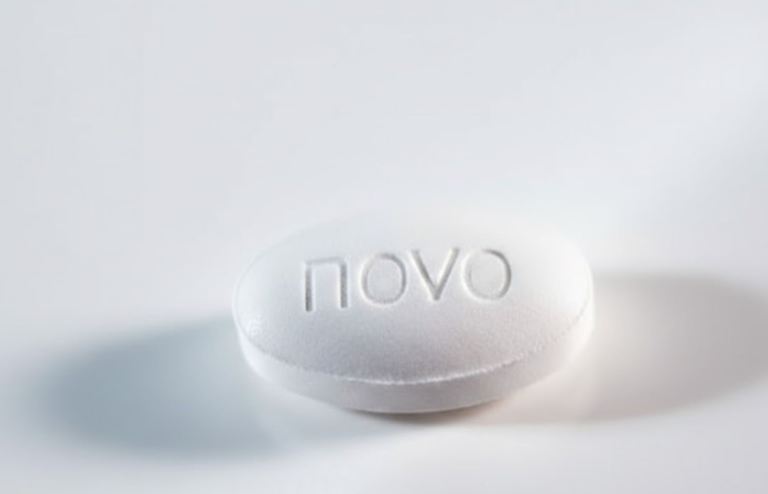
The Rise of GLP-1 Pills: Results, Risks, and Reality
For years, the gold standard of medical weight loss has been synonymous with “the needle.” From the early days of daily liraglutide to the modern once-weekly injections of semaglutide and tirzepatide, the revolution in metabolic health has required a certain level of patient bravery, or at least a tolerance for self-injection.
However, as we move through 2026, the landscape has fundamentally shifted. The “Oral Revolution” is no longer a future promise; it is a clinical reality. With the recent FDA approval of high-dose oral semaglutide (Wegovy 25 mg tablets) and the emergence of next generation small-molecule pills like orforglipron, patients now have a choice that was unthinkable just a few years ago: high-tier clinical results without the syringe.
But is a pill truly as effective as a shot? As a physician, I look at the data, the biology, and the daily friction of treatment. Here is the 2026 guide to understanding where these medications stand and if they are right for you.
Mechanism of Action: How a Pill Mimics Your Biology
At its core, a GLP-1 pill works by mimicking Glucagon-like peptide-1, a hormone your gut naturally produces after a meal. This hormone is a master regulator of the “Incretin Effect,” which tells your pancreas to release insulin and prevents your liver from making too much sugar.
The Gut-Brain Connection
These medications do far more than manage blood sugar. They cross into the brain to target the hypothalamus, the body’s appetite control centre. By signalling satiety (the feeling of being full) and slowing down gastric emptying (the speed at which food leaves your stomach), GLP-1s effectively quiet food noise.
The Absorption Challenge
Turning a peptide into a pill is a feat of engineering. Normally, stomach acid destroys GLP-1 molecules before they can reach the bloodstream. To solve this, medications like oral semaglutide use an absorption enhancer called SNAC (sodium salcaprozate). This buffer protects the medication and allows it to penetrate the stomach lining, provided the environment is exactly right, a factor that leads to some very specific dosing rules.
Clinical Results
The most common question patients ask is: “Will I lose as much weight on the pill?” In 2026, we finally have the head-to-head benchmarks to answer that.
The OASIS 4 Trial Benchmarks
The pivotal OASIS 4 trial, which served as the backbone for the latest FDA approvals, followed participants over 64 weeks using a 25 mg daily dose of oral semaglutide. The results were striking:
- Weight Loss: Participants achieved a mean weight loss of 13.6% to 15%.
- Metabolic Milestones: Over 70% of participants with prediabetes returned to normal blood sugar levels.
- The “Gap” is Narrowing: While once-weekly injections like Zepbound or injectable Wegovy still yield slightly higher averages (upward of 20% in some populations), the 15% mark reached by the oral form is considered the “clinical threshold” for reversing obesity-related complications like sleep apnea and fatty liver disease.
The SOUL Trial Implications
We now know these pills aren’t just for weight loss. The SOUL trial results, finalized recently, confirmed that oral GLP-1s significantly reduce MACE (Major Adverse Cardiovascular Events). For patients with established heart disease, the pill offers a 14% reduction in the risk of heart attack or stroke, matching the cardio-protective benefits previously only seen in the injectable versions.
Practical Considerations
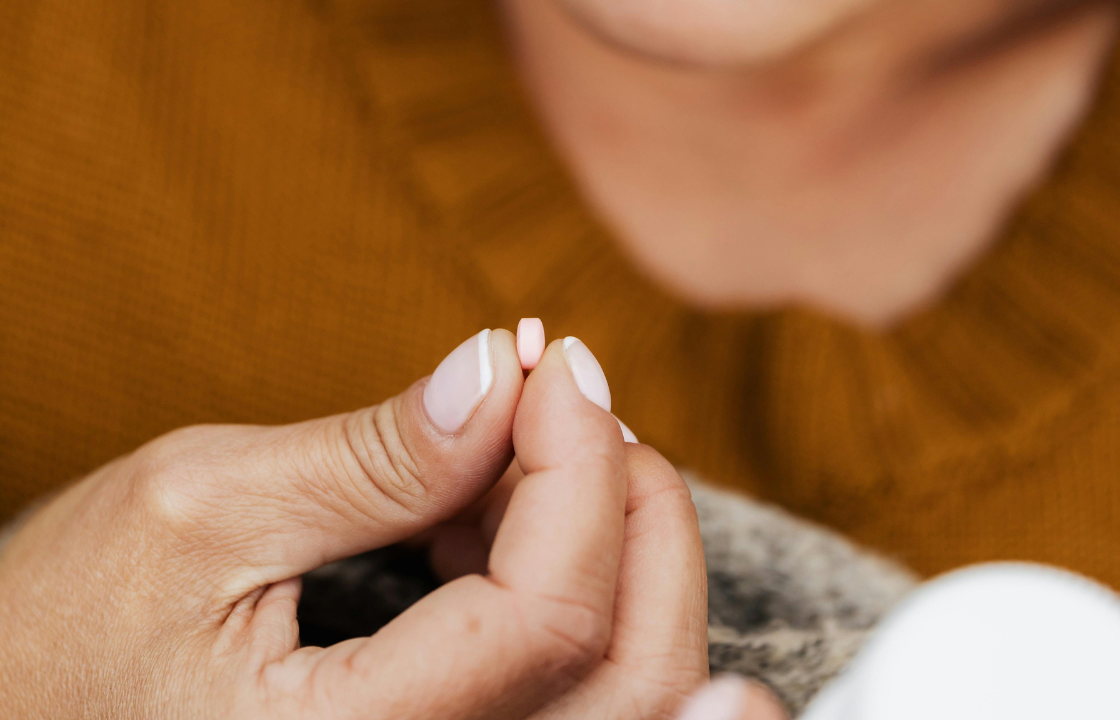
Choosing the pill over the injection involves a trade-off: you trade a weekly needle for a daily ritual. This ritual is non-negotiable for the medication to work.
- The 30-Minute Rule: You must take the pill immediately upon waking on an empty stomach. You can only use a maximum of 4 ounces of plain water, about a half-cup. You then must wait at least 30 minutes before eating, drinking anything else (including coffee), or taking other medications.
- Consistency vs. Convenience: If you are someone who struggles to remember a daily pill, the once-weekly injection may still be the better “set it and forget it” option.
- The Traveler’s Choice: One major advantage of the 2026 oral formulations is room-temperature stability. Unlike injections, which often require refrigeration or bulky cooling packs for long trips, the tablets are discreet and travel-ready.
Managing Side Effects and Risks
The side effect profile for the oral versions is remarkably similar to the injectables, as the active molecule is the same.
Common GI Impact
Most patients experience some level of nausea, diarrhea, or constipation, particularly during the escalation phase (when you are slowly increasing the dose). My clinical advice for mitigation includes:
- Eat Slow: Stop eating the moment you feel a hint of fullness.
- Hydrate: Sip water throughout the day, but avoid large amounts during meals.
- Low-Fat Choices: High-fat, greasy foods are the primary trigger for nausea on GLP-1s.
Serious Risks
Transparency is vital. While rare, patients must be monitored for signs of pancreatitis (severe abdominal pain) and gallbladder issues. Furthermore, due to findings in rodent studies, these medications carry a boxed warning regarding thyroid C-cell tumors; they are not recommended for those with a personal or family history of Medullary Thyroid Carcinoma (MTC) or Multiple Endocrine Neoplasia syndrome type 2 (MEN 2).
Cost and Coverage
The “price wars” of 2025 have led to a much more accessible environment in 2026.
| Feature | 2026 Landscape |
| Starting Cash Price | $149 to $199 per month for entry-level doses. |
| Maintenance Price | $299 per month for high-dose (25 mg) tablets. |
| Medicare Status | Pilot programs (like the GENEROUS model) have begun covering GLP-1s for obesity with comorbidities. |
| Commercial Insurance | Many plans now offer a $25 copay for preferred oral brands. |
Manufacturers have launched direct-to-consumer platforms (like TrumpRx and LillyDirect) to bypass traditional pharmacy markups, making the $149/month price point a reality for many self-pay patients.
Conclusion
The best medication is the one you can take consistently, safely, and affordably. In 2026, we no longer view oral GLP-1s as a weaker alternative to injections. Instead, they are a high-potency tool for anyone who prefers a daily routine over a weekly needle, or for those whose lifestyle, like frequent travel, makes refrigeration difficult.
Success is measured by more than just the number on the scale. It is found in the lower blood pressure, the reduced joint pain, and the freedom from “food noise” that allows you to live a fuller life.
References
- Wharton, S., Lingvay, I., Bogdanski, P., et al. (2025). Oral semaglutide at a dose of 25 mg in adults with overweight or obesity. New England Journal of Medicine, 393(11), 1077-1087. https://doi.org/10.1056/NEJMoa2500969
- McGuire, D. K., Marx, N., Mulvagh, S. L., et al. (2025). Oral Semaglutide and Cardiovascular Outcomes in High-Risk Type 2 Diabetes (SOUL Trial). New England Journal of Medicine, 392(14). https://doi.org/10.1056/NEJMoa2501006
- Novo Nordisk. (2025, December 22). FDA approves once-daily Wegovy® pill, the first oral GLP-1 medicine for obesity in the US [Press release]. https://www.novonordisk.com/news
- Aronne, L. J., et al. (2025). Efficacy and safety of the oral GLP-1 receptor agonist orforglipron in adults with obesity (ATTAIN-2). The Lancet, 406(10502), 415-428. https://doi.org/10.1016/S0140-6736(25)01234-X
- Chao, A. M., Gilden, A., & Wadden, T. A. (2026). Glucagon-like peptide-1 receptor agonists for obesity: Growing popularity met with growing questions over safety. PLOS Medicine, 23(1), e1004871. https://doi.org/10.1371/journal.pmed.1004871
- Knop, F. K., Aroda, V. R., et al. (2023). Oral semaglutide 50 mg once daily for obesity in adults (OASIS 1): A randomised, double-blind, placebo-controlled, phase 3 trial. The Lancet, 402(10403), 705-719. https://doi.org/10.1016/S0140-6736(23)01185-6
- Eli Lilly and Company. (2025, August 26). Lilly’s oral GLP-1, orforglipron, was successful in the third Phase 3 trial, triggering global regulatory submissions [Press release]. https://investor.lilly.com/news-releases
- McGuire, D. K., et al. (2025). Oral Semaglutide and Cardiovascular Outcomes in People With Type 2 Diabetes, According to SGLT2i Use: Prespecified Analyses of the SOUL Randomized Trial. Circulation, 152(1), 12-25. https://doi.org/10.1161/CIRCULATIONAHA.125.074545
- Hughes, S., & Neumiller, J. J. (2020). Oral semaglutide: The first oral GLP-1 receptor agonist. Clinical Diabetes, 38(1), 109-111. https://doi.org/10.2337/cd19-0079
- 10. Taylor & Francis Group. (2025). Oral versus subcutaneous semaglutide weight loss outcomes after two years among patients with type 2 diabetes in a real-world database. Expert Review of Endocrinology & Metabolism. https://doi.org/10.1080/17446651.2025.2462100