Magnum Bets on Bite-Sized Indulgence as Weight-Loss Jabs Reshape Snacking Habits
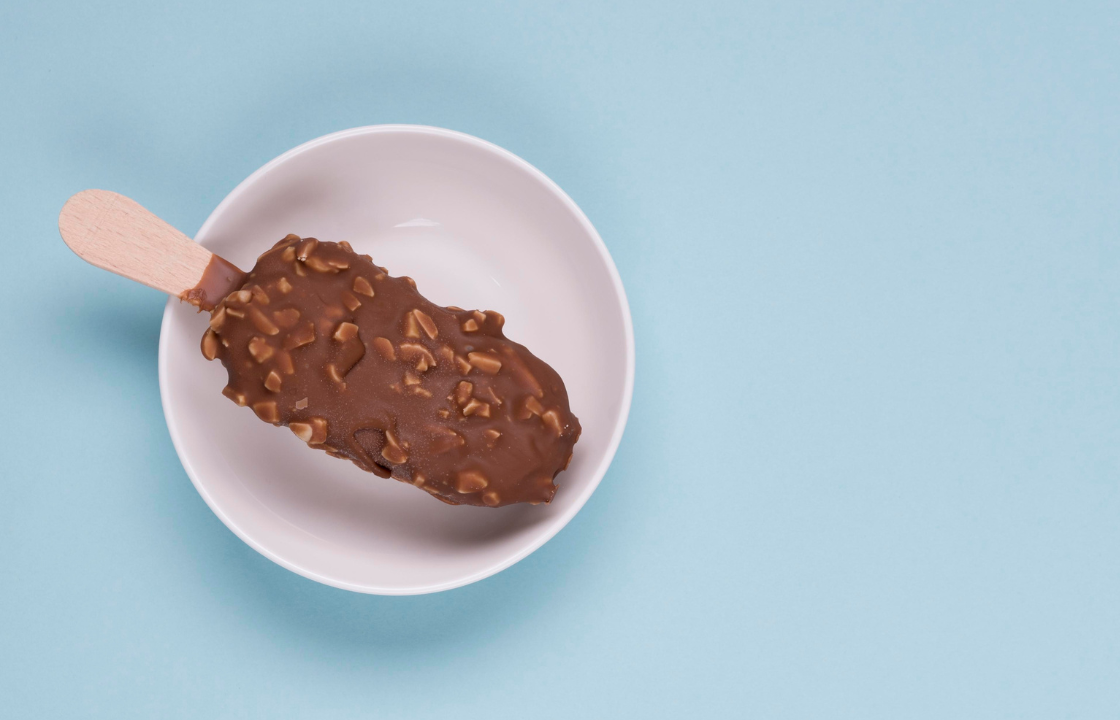
The chief executive of The Magnum Ice Cream Company says weight-loss jabs could create new growth for premium ice cream. Instead of fearing shrinking appetites, he sees opportunity in smaller portions. As GLP-1 drugs reshape eating habits, he believes consumers will still crave indulgence. However, they may choose it more carefully.
Peter ter Kulve, chief executive of Unilever’s ice cream division, argues that people on weight-loss injections still want treats. Peter ter Kulve says consumers now make deliberate decisions rather than impulsive ones. Therefore, brands must adapt their product sizes and messaging. He insists that premium quality will matter more than quantity.
Weight-loss jabs, often prescribed to curb appetite, have spread quickly in the United States. As a result, food manufacturers are tracking changes in consumer behavior. Some shoppers now avoid large snacks and oversized desserts. Instead, they prefer portion-controlled options that fit stricter eating plans.
Magnum believes this shift aligns with its premium positioning. The brand already focuses on indulgent chocolate coatings and rich flavors. Now, it plans to expand bite-sized formats that deliver the same experience in smaller servings. Consequently, the company hopes to protect sales while meeting new expectations.
Ter Kulve says the rise of GLP-1 medications may reduce mindless munching. However, he does not expect consumers to abandon ice cream. He argues that people still celebrate moments with treats. They simply want balance and moderation. That balance, he says, favors high-quality mini portions.
Moreover, premium ice cream often performs well during lifestyle shifts. When shoppers cut back on volume, they often trade up in quality. They reward themselves with better ingredients and refined flavors. Magnum wants to position its smaller products as affordable luxuries.
Industry analysts agree that weight-loss drugs are influencing food choices. Sales data in the United States already shows subtle changes in snacking patterns. Some consumers report feeling full sooner and skipping between-meal snacks. Nevertheless, dessert remains part of social rituals and celebrations.
Therefore, ice cream makers are not retreating. Instead, they are reformulating recipes and resizing products. Many brands are testing lower-sugar options and compact packaging. Magnum’s strategy centers on indulgence without excess. It wants each bite to feel intentional.
At the same time, investors are watching closely. Food companies must prove they can navigate health-driven disruption. The frozen dessert sector faces pressure to innovate quickly, and smaller formats may protect margins while addressing calorie concerns.
Ter Kulve stresses that the impact varies by region. The United States leads in adoption of weight-loss injections. Europe and other markets show slower uptake. As a result, Magnum’s global sales remain diversified. The company does not rely on one geography.
Still, executives accept that health awareness will continue rising. Consumers read labels more carefully than before. They track calories, sugar, and portion sizes. Consequently, brands must communicate transparency and moderation.
Magnum plans to highlight craftsmanship and responsibly sourced ingredients. It will also emphasize the sensory pleasure of cracking chocolate and smooth ice cream. By doing so, it reinforces its premium ice cream identity. The message focuses on savoring rather than overindulging.
Furthermore, bite-sized treats fit modern lifestyles. Busy consumers want convenience and portion control. Smaller products also travel easily and reduce waste while allowing people to enjoy dessert without guilt. That balance supports repeat purchases.
Weight-loss jabs have sparked debate across the food industry. Some fear a long-term decline in demand for indulgent categories. Others see a transformation instead of contraction. Magnum clearly supports the second view.
Ter Kulve argues that human desire for pleasure will not disappear. Food connects people during holidays, parties, and personal rewards. Even health-conscious consumers seek moments of enjoyment. Therefore, the company aims to supply those moments responsibly.
In addition, premium positioning may shield Magnum from extreme price competition. Smaller sizes can carry strong margins if consumers perceive high value. That strategy blends profitability with portion awareness. It also differentiates the brand from mass-market rivals.
As the market evolves, innovation will remain critical. Magnum continues testing new flavors and limited editions. It pairs these launches with targeted marketing campaigns. Each product aims to feel special and intentional.
Ultimately, the rise of weight-loss jabs forces food companies to rethink scale. Bigger is no longer always better. Instead, controlled indulgence defines the new landscape. Magnum believes it can thrive within that framework.
The company sees bite-sized premium treats as the future of ice cream snacking. By aligning with changing appetites, it hopes to stay relevant. While health trends reshape consumption, indulgence still holds emotional power. Magnum plans to capture that power, one smaller bite at a time.