How Fast Do GLP-1 Pills Work?

GLP-1 pills usually start “working” in your body within hours to days, but most people notice appetite changes within 1 to 2 weeks and visible weight changes after about 4 to 8 weeks, with bigger results building over several months. Full benefits for blood sugar and long‑term weight loss often take 3 to 12 months of consistent use on a stable dose.
What Are GLP-1 Pills?
GLP-1 pills are oral versions of GLP-1 receptor agonists, a class of medications originally developed for type 2 diabetes and now widely used for medical weight loss. They mimic a natural gut hormone called glucagon-like peptide-1, which helps regulate blood sugar, appetite, and how quickly food leaves your stomach.
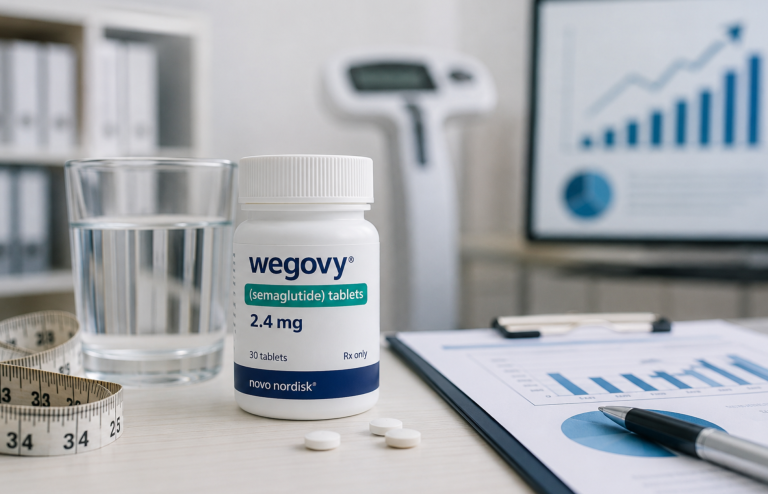
In the U.S., the main GLP-1 pill currently available is oral semaglutide (brand name Rybelsus), though more oral options are being studied. These medications are usually taken once daily, on an empty stomach, with a careful routine so your body can absorb them properly.
How Do GLP-1 Pills Work in Your Body?
GLP-1 pills work through several overlapping mechanisms that add up over time. They are not stimulants or “quick-fix” diet tablets; they slowly reset how your body handles food and blood sugar.
Key ways they act in the body include:
- Slow stomach emptying so food stays in your stomach longer, which helps you feel full on smaller portions.
- Acting on the brain’s appetite centers to reduce cravings and constant “Cravings”
- Boosting insulin release when blood sugar is high and lowering glucagon, which helps smooth out blood sugar swings after meals.
Because these effects are hormonal and gradual, the “timeline” is different from taking a painkiller or a caffeine pill; you are training your system rather than flipping a switch.
Timeline: How Fast Do GLP-1 Pills Work?
Everyone’s experience is a little different, but there is a fairly consistent pattern seen in clinical studies and real‑world use.
First dose to first week
The drug itself starts acting in your system within hours of taking a pill, even though you may not feel anything dramatic right away. Pharmacologic effects on blood sugar can begin within the first few days, especially after meals.
Most people in this early window:
- Do not see the scale move much yet.
- They may notice mild side effects such as nausea, softer stools, or decreased appetite as their body starts adjusting.
Weeks 1 to 2: Appetite and “food noise”
Around 1 to 2 weeks, many patients report that the constant mental chatter about food begins to quiet down. They feel full sooner during meals, and they are less likely to snack out of habit or boredom.
This stage is mostly about behavioral changes driven by hormonal shifts:
- Smaller portion sizes feel surprisingly satisfying.
- Cravings, especially for highly processed foods, may start to ease.
Weeks 3 to 4: Early weight changes
By about 4 weeks, visible weight change becomes more common, especially if you have improved your eating habits alongside the medication. For many people this looks like a few pounds lost rather than a dramatic transformation, because doses are typically started low and slowly increased to reduce side effects.
Even modest early weight loss at this stage is a good sign that the medication and your lifestyle changes are working together.
Months 1 to 3: Noticeable progress
From 1 to 3 months, the results tend to become more obvious to both you and others. As your dose approaches a therapeutic target and your routine becomes more consistent, you are more likely to see:
- Steady, sustainable weight loss from week to week.
- Improved blood sugar control and fewer post‑meal spikes if you have type 2 diabetes.
Many people describe this period as when they finally feel “in control” of their appetite for the first time in years.
Months 3 to 12 and beyond: Full effect
Significant, long‑term weight loss and metabolic benefits take time. Clinical research on GLP-1 medications (mostly injections but with similar mechanisms) shows average weight loss in the range of 15 to 25% of body weight over about one year in people with obesity who stay on therapy and maintain a healthy lifestyle.
Blood sugar markers like HbA1c usually show their full improvement after about 3 months, because this lab reflects your average glucose over the prior 8 to 12 weeks. Staying on the medication and maintaining lifestyle changes beyond a year can help keep weight off and reduce the risk of diabetes complications.
What Affects How Fast GLP-1 Pills Work?
Two people can start the same dose on the same day and see very different timelines, and that is normal. A few major factors shape how quickly you notice results. Clinical studies consistently show wide individual variability in response due to differences in metabolism, genetics, body composition, hormone sensitivity, and initial health. Additionally, research shows that lifestyle factors like sleep, nutrition, stress levels, and physical activity, as well as previous exposure to similar treatments and adherence to dosing schedules, can have a significant impact on the onset and magnitude of effects. Even when a treatment is effective, early reactions may be subtle or delayed because most interventions work through gradual biological adaptations rather than immediate changes.
Dose and titration schedule
GLP-1 pills usually start at a low “starter” dose that is increased gradually over several weeks to minimize side effects like nausea. You may not reach your full therapeutic dose until you have been on the medication for a while, which is one reason results feel gradual.
If you stay at a very low dose due to side effects, you may still see appetite changes but less dramatic weight loss than someone who reaches the higher, target dose.
How you take the pill
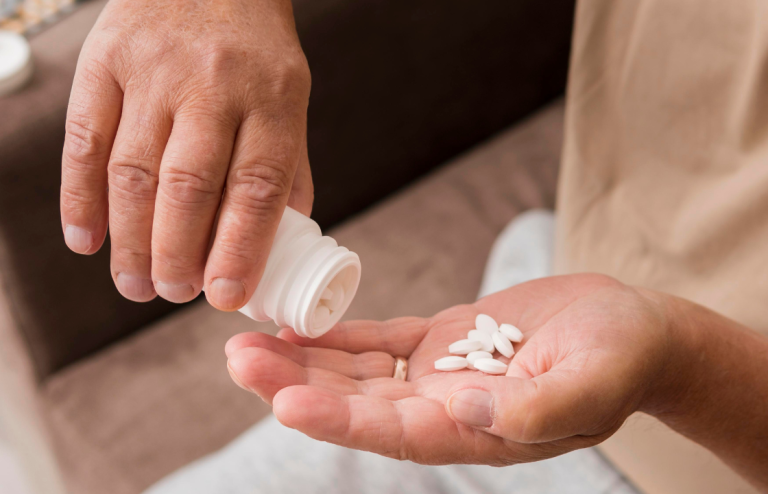
Oral GLP-1 drugs have very specific instructions for timing and food because they are not absorbed well if you eat or drink too close to the dose. For example, patients are typically told to take the pill with a small amount of water first thing in the morning and then wait at least 30 minutes before eating.
If you routinely eat or drink sooner than recommended, or skip doses, the medication’s effect can be weaker and slower.
Starting weight and Metabolism
People with higher starting weights or more severe insulin resistance sometimes see faster early weight changes, simply because a small percentage loss shows up as a larger number of pounds. On the other hand, if your metabolism is slower due to age, long‑term dieting history, or other health conditions, your results may be more gradual.
The important point is that “slow” does not mean “not working”; steady, modest weight loss is actually healthier and more sustainable for most people.
Lifestyle habits: food, movement, sleep
GLP-1 pills are powerful, but they do not cancel out a high‑calorie, ultra‑processed diet or chronic sleep deprivation. People who lean into the appetite changes by:
- Choosing protein‑rich, high‑fiber meals
- Limiting sugary drinks and ultra‑processed snacks
- Walking or exercising regularly
tend to see quicker and more meaningful progress. Quality sleep and stress management also support better blood sugar control and hunger hormones.
Genetics and individual response
There is genuine biological variation in how strongly people respond to GLP-1 agonists. Some experience rapid appetite suppression and early weight loss, while others need more time and careful dose adjustments to see the same effect.
If your progress seems slower than a friend’s, that does not automatically mean the medication is “failing”; it may be working more quietly on your blood sugar, liver fat, or cardiovascular risk factors at first.
Signs Your GLP-1 Pill Is Working
Because the scale can be frustratingly slow to move, it helps to track other signs that your medication is doing its job.
Common positive signals include:
- Feeling full on less food and leaving food on the plate without feeling deprived.
- Fewer cravings for sweets or late‑night snacks.
- More stable energy throughout the day, without big post‑meal crashes.
- Improved blood sugar readings if you monitor at home.
Your clinician may also track labs such as HbA1c, fasting glucose, cholesterol, and liver enzymes over months to get the full picture of your progress.
When to Talk to Your Doctor
Frustration with the pace of results is very common, and it is always appropriate to bring this up with your healthcare team. Reach out to your prescriber if:
- You have been taking the medication consistently for 8 to 12 weeks with minimal or no change in appetite or weight.
- Side effects (like nausea, vomiting, diarrhea, or constipation) are severe or not improving.
- You have symptoms of low blood sugar, such as shakiness, confusion, or sweating, especially if you also take insulin or sulfonylureas.
Your clinician may adjust your dose, review how you are taking the pills, add or remove other medications, or refer you to a dietitian or obesity specialist for more comprehensive support.
How to Get the Most from GLP-1 Pills
There are practical steps that make these medications work better and, sometimes, faster.
Helpful strategies include:
- Taking the pill exactly as directed every day, paying close attention to timing around food.
- Using the reduced appetite window to build balanced meals with lean protein, vegetables, whole grains, and healthy fats.
- Staying hydrated and prioritizing fiber to reduce constipation and support gut health.
- Building a gentle exercise routine (like daily walks) that you can actually stick with long-term.
- Keeping realistic expectations: think in terms of months and years of health gains, not days of crash‑diet weight loss.
Working with a care team that understands obesity and metabolism can dramatically improve your experience and help you navigate dose changes and side effects.
Conclusion
GLP-1 pills start acting in your body within hours to days, but most people feel meaningful appetite changes after about 1 to 2 weeks and begin to see visible weight changes between 4 and 8 weeks. The most powerful benefits are steady weight loss, better blood sugar control, and reduced long‑term health risk build gradually over 3 to 12 months and depend heavily on consistent dosing and lifestyle habits.
If your progress feels slower than you hoped, it does not necessarily mean the medication is not working; it may mean your body needs more time, a different dose, or additional support with nutrition, activity, and other medications. Staying in close contact with your healthcare team and focusing on sustainable changes rather than instant results is the most reliable way to let GLP-1 pills do what they are designed to do: help you move toward safer weight and better metabolism over the long term.